by Maj. Dean Bellamy
23rd Space Operations Squadron
12/18/2006 - NEW BOSTON AIR FORCE STATION, N.H. (AFPN) -- The 23rd Space Operations Squadron here began operations confidence testing of its newest Air Force Satellite Control Network antenna Dec. 14.
Operational testing will verify the antenna is fully prepared to conduct satellite supports as part of the squadron's 24-hour mission, said station manager Bill Rayfield.
"It's important that we do this testing right so we can get this asset online," said Lt. Col. Stan Stafira, the 23rd SOPS commander.
Passive autotrack tests went exceptionally well, said 1st Lt. Jason Parslow, the chief of the hardware and communication projects for the Space and Missile Systems Center detachment at Peterson Air Force Base, Colo., and site Government Program Office lead.
"We're excited to prove our system through operational space vehicle supports," Lieutenant Parslow said.
The testing that began Dec. 14 is the first of four rounds of tests. Phase two will be a second operations confidence test; the third phase will be a segment verification test, and the final phase will comprise integrated system testing.
Installation of the new antenna began July 12, 2004. Construction of the radome housing the antenna was finished Sept. 15, 2005. The radome's primary purpose is to protect the antenna from the environment, keeping maintenance and downtime to a minimum.
The new antenna replaces a 44-year-old antenna that was decommissioned in 2004 due to a bad azimuth bearing. Master Sgt. Mike Norton, a quality assurance evaluator with 23rd SOPS, recalled seeing the original antenna before it was retired.
"Imagine an antenna weighing 119,000 pounds moving 15 degrees per second," Sergeant Norton said. "That was impressive for an antenna built during the early days."
Increasing demand on AFSCN resources took its toll on the antenna, which was originally designed for a 10- to 12-year lifetime.
"We loved that old antenna," said Randy Smith, an ARTS operator. "Taxpayers sure got their money's worth out of it."
While the new antenna was under construction, SMC's Transportable Space Test and Evaluation Resource filled in for the original antenna.
Tuesday, December 19, 2006
Monday, December 18, 2006
A Special Offer for MT Blog Readers

The good folks at Monitoring Times magazine are offering a special, limited time, discounted rate of US$14.95 on a one year MT Express subscription if you mention the BLOG page (Editor’s Page, Fed Files, Milcom, Monitoring Post, Shortwave, and Ute World) you are viewing right now. This is a great price on a great magazine and you get MT delivered electronically every month well before the print edition hits the streets.
This special offer is for first-time subscribers and renewals. This offer is available for a limited time only (must be used by the close of business December 31, 2006) and can only be used one time per customer.
And MT Express makes a great holiday gift at US$14.95 for a one year subscription.
What is Monitoring Times magazine?
MT is a full-spectrum monthly magazine for the radio listener, Monitoring Times covers scanning, shortwave, military and federal comms, and other radio topics from below 500 kHz to 900 MHz and above. Presented in an easy-to-understand style by an experienced writing staff, MT helps you get the most out of your time and your equipment with practical listening tips and frequencies.
What is MT Express?
MT Express is the same magazine as our printed version, but it is presented in Adobe Acrobat portable document file (pdf) format, including full color photography and active links to URLs and email addresses. It is the fastest and easiest way to get the information and frequencies you need on the radio hobby.You can see what is in current issue of MT, including sample pages on the MT current issue webpage.
So if you like what we do here on the MT Blog pages and you want even more, then pick up that telephone and call the MT order desk toll free at 1-800-438-8155 (Mon-Fri 9a-5p EDT/1400-2100 UTC) and get US$5.00 off the regular price of MT Express. And remember you have to mention the BLOG page you are viewing right now in order to get the MT Express Bloggers discount.

USAF Releases KC-X Draft Request For Proposals
WASHINGTON - Air Force officials announced December 15, 2006, the release of an updated draft Request for Proposals for the KC-X, the aerial tanker replacement aircraft.
"This continues our open and transparent acquisition process," said Mrs. Sue Payton, the Air Force senior acquisition executive. "We're releasing this document so our partners in Congress, the Department of Defense and industry can continue the dialogue we've established."
Payton said the release of the final RFP is expected in January and that her goal remained to complete the source selection process by the end of the current fiscal year.
The KC-X, the Air Force's number one acquisition priority, is the replacement vehicle for the KC-135 which recently celebrated its 50th year of service with the Air Force.
Officials said the KC-X will have a primary mission of aerial refueling, allowing the Air Force to retain the Global Reach that supports the Global War on Terror.
"The tanker is the number one procurement priority for us right now. In this global Air Force business, the single point failure of an air bridge, the single point failure for global intelligence, surveillance and reconnaissance or the single point failure for global strike is the tanker," said Gen. T. Michael Moseley, Air Force Chief of Staff. Additionally, service officials expect the KC-X to have the capability to carry cargo as well as airlifting personnel.
"All three missions of the aircraft are vitally important," said Lt. Gen. Donald Hoffman, the Military Deputy, Office of the Assistant Secretary of the Air Force for Acquisition, "but first and foremost the KC-X is the next generation in aerial refueling."
The draft RFP incorporates changes that respond to concerns expressed by Congress, DOD and potential offerors, to include addressing the litigation concerning large civil aircraft pending before the World Trade Organization.
"The Air Force has revisited its position on the WTO issue concerning the tanker replacement program based upon discussions with the offerors," said Mr. Kenneth Miller, Assistant to the Secretary of the Air Force for Acquisition. "In the updated draft RFP we've added a clause that makes certain costs associated with the WTO litigation unallowable expenses under the contract."
"This continues our open and transparent acquisition process," said Mrs. Sue Payton, the Air Force senior acquisition executive. "We're releasing this document so our partners in Congress, the Department of Defense and industry can continue the dialogue we've established."
Payton said the release of the final RFP is expected in January and that her goal remained to complete the source selection process by the end of the current fiscal year.
The KC-X, the Air Force's number one acquisition priority, is the replacement vehicle for the KC-135 which recently celebrated its 50th year of service with the Air Force.
Officials said the KC-X will have a primary mission of aerial refueling, allowing the Air Force to retain the Global Reach that supports the Global War on Terror.
"The tanker is the number one procurement priority for us right now. In this global Air Force business, the single point failure of an air bridge, the single point failure for global intelligence, surveillance and reconnaissance or the single point failure for global strike is the tanker," said Gen. T. Michael Moseley, Air Force Chief of Staff. Additionally, service officials expect the KC-X to have the capability to carry cargo as well as airlifting personnel.
"All three missions of the aircraft are vitally important," said Lt. Gen. Donald Hoffman, the Military Deputy, Office of the Assistant Secretary of the Air Force for Acquisition, "but first and foremost the KC-X is the next generation in aerial refueling."
The draft RFP incorporates changes that respond to concerns expressed by Congress, DOD and potential offerors, to include addressing the litigation concerning large civil aircraft pending before the World Trade Organization.
"The Air Force has revisited its position on the WTO issue concerning the tanker replacement program based upon discussions with the offerors," said Mr. Kenneth Miller, Assistant to the Secretary of the Air Force for Acquisition. "In the updated draft RFP we've added a clause that makes certain costs associated with the WTO litigation unallowable expenses under the contract."
Sunday, December 17, 2006
Tacsat-2/Roadrunner Orbital/Freq Information

Tacsat-2/Roadrunner (JWS D1/ST-6ISC) is operating on-orbit. Here is the updated information we have on this new milsat. International Designator: 2006-058A , SSC#: 29653
Updated orbital parameters: 92.93 period, 40.01 degree inclination, 426 by 410 km
Current kep set:
1 29653U 06058A 06351.51897935 .00027404 00000-0 48774-3 0 100
2 29653 040.0115 071.4772 0009861 165.3254 218.5825 15.49403942 143
Known communications payload: 8 GHz (X-band) downlink.
Saturday, December 16, 2006
Tacsat-2 Launched from Wallops This Morning

Tacsat-2 and GeneSat-1 were launched this morning aboard the Minotaur-1 rocket from the Mid Atlantic Regional Spaceport (aka Wallops island) at 1200 UTC (7:00 am EST). Preliminary information indicates that the satellites were placed into a 410 km circular orbit inclined 40 degress. No other information is currently available, except the video of the launch at the link below which was just released. http://www.wff.nasa.gov/multimedia/video/tacsat2.wmv
Hope to have some sort of official launch announcement before the day is out.
Jason R. posted to the Milcom newgroup the following scanner frequencies that he monitored pre-launch. Thanks Jason for sharing that with all of us.
121.950 Range Air Control
Hope to have some sort of official launch announcement before the day is out.
Jason R. posted to the Milcom newgroup the following scanner frequencies that he monitored pre-launch. Thanks Jason for sharing that with all of us.
121.950 Range Air Control
126.500 Wallops Tower
156.600 Wallops Plot
170.350 Security Operations
156.600 Wallops Plot
170.350 Security Operations
171.000 Wallops Island Fire Department
311.200 Air Operations
311.200 Air Operations
Range Aircraft Used:
NASA 8 and 14-Yankee (used for keeping range waters clear)
NASA 8 is the King Air (N8NA) that is assigned to Wallops-LVH.
[Photo above is Tacsat-2 during ground testing. USAF Photo]
USA 193/NROL-21 Launched

The National Reconnaisance Office, in conjunction with United Launch Alliance, has successfully launched USA 193/NROL-21 into low earth orbit.
USA-193/NROL-21 Launch specifics:
Launch date/time: December 13, 2006 2100 UTC 16:00 EST
Launcher: Delta 2/7920-10
Launch location: Western Test Range, Vandenberg AFB, California
Launch complex/pad: SLC2W
International Designator: 2006-057A
SSC #: 29651
Latest orbital parameters: 376 by 354 km orbit (91.83 minute period), inclined 58.5 degress.
Ted Molczan posted the preliminary orbital elset below on SEESAT-L:
USA 193 0.0 0.0 0.0 4.8 v
1 29651U 06057A 06350.25405986 .00011325 00000-0 10000-3 0 03
2 29651 58.4865 114.2852 0013244 81.7541 278.5044 15.68046894 05
WRMS error = 0.026 deg
Ted noted the following observations in his post:
"The ground track nearly repeats every 2 days (30.92 revs), enabling frequent revisit of observational targets of interest. The first four Lacrosses behaved similarly (28.9 revs in 2 days). Lacrosse 5 makes 43.05 revs in 3 days. Keyholes nearly repeat every 4 days; NOSS every 4 days."
Looking at the early Lacrosse satellite missions, Ted is correct, but, of course, the Lacrosse radar imaging missions are launched into much higher altitude orbits (nearly double the height of NROL-21).
Intl Desig SSC # USA Number Period Inc Apogee Perigee
*1988-106B 19671 USA 034 97.91 56.98 660 657
1991-017A 21147 USA 069 98.00 68.00 667 660
*1997-064A 25017 USA 133 98.22 57.35 674 673 [Replaced Lacrosse 1]
2000-047A 26473 USA 152 98.47 67.99 690 681 [Replaced Lacrosse 2]
*2005-016A 28646 USA 182 99.08 57.01 718 712 [Replaced Lacrosse 3]
* Indicates a 57 degree inclination orbit, just 1.5 degree off the Lacrosse 57 deg inc plane.
As Jonathan McDowell points out in his Jonthan's Space Report Next Issue Draft:
"In contrast to most secret launches, analysts appear to have little clue as to what this payload may be."
My best guess, at this early stage, is that this is probably some sort of mission sensor platform other than a visual photo recon imaging mission. It also could be a new sensor development mission. But that is "only" a best guess!
Milsat Launches 2006-2007
Two US milsat launches in 2007 courtesy of Brian Webb and the Launch Alert:
15 March 2007 Delta II WTR SLC-2W Payload: Missile Defense Agency's Block 2010 satellite
3 April 2007 Atlas V WTR SLC-3E Payload: Classified National Reconnaissance Office NROL-28
And a year end Russian launch:
25 Dec 2006 Proton K-DM2 Baikonur Cosmos-Glonass M6, M7, M8 Navigation Satellites
15 March 2007 Delta II WTR SLC-2W Payload: Missile Defense Agency's Block 2010 satellite
3 April 2007 Atlas V WTR SLC-3E Payload: Classified National Reconnaissance Office NROL-28
And a year end Russian launch:
25 Dec 2006 Proton K-DM2 Baikonur Cosmos-Glonass M6, M7, M8 Navigation Satellites
Friday, December 15, 2006
Monitor Project - What Fleet Broadcast Freqs Do You Hear?
I have been meaning to post this for quite sometime, but I have been a bit busy lately. ;-))
But let's get this party started. Here is a fun satellite monitoring project anyone with a VHF/UHF scanner can participate in.
One of the best ways to determine if you can monitor the UHF Milsats with your present scanner setup is to check for activiy on the four major fleet broadcast downlinks. These are 24/7 frequencies that broadcast an unmistakable data signal as noted on the frequencies below.
Here is my local list
UFO November 250.350 MHz Strong here
UFO Oscar/Fleet Alpha 250.450 MHz Nothing here
UFO Papa/Fleet Bravo 250.550 MHz Very strong here
UFO Quebec/Fleet Charlie 250.650 MHz Weak here
So here is the game. It would be interesting for all my blog reporters to plug these frequencies in and let the rest of us know which ones you are hearing. As part of this project if you have a directional capability, let us know the direction you hear these broadcast from. But you must include your monitoring location. Now if you wish to remain anonymous, you can send your report directly to me at larryvanhorn @ monitoringtimes.com (obviously close this up when you email me).
Everyone with a scanner can participate and let's see what UHF milsat bandplans look like from around the world. I will post complete results on the blog in about a week. If this is successful then I will add more milsat projects on the list.
So give that dial a whirl and let us all know which of the big four above you are hearing from your shack.
73 de Larry
But let's get this party started. Here is a fun satellite monitoring project anyone with a VHF/UHF scanner can participate in.
One of the best ways to determine if you can monitor the UHF Milsats with your present scanner setup is to check for activiy on the four major fleet broadcast downlinks. These are 24/7 frequencies that broadcast an unmistakable data signal as noted on the frequencies below.
Here is my local list
UFO November 250.350 MHz Strong here
UFO Oscar/Fleet Alpha 250.450 MHz Nothing here
UFO Papa/Fleet Bravo 250.550 MHz Very strong here
UFO Quebec/Fleet Charlie 250.650 MHz Weak here
So here is the game. It would be interesting for all my blog reporters to plug these frequencies in and let the rest of us know which ones you are hearing. As part of this project if you have a directional capability, let us know the direction you hear these broadcast from. But you must include your monitoring location. Now if you wish to remain anonymous, you can send your report directly to me at larryvanhorn @ monitoringtimes.com (obviously close this up when you email me).
Everyone with a scanner can participate and let's see what UHF milsat bandplans look like from around the world. I will post complete results on the blog in about a week. If this is successful then I will add more milsat projects on the list.
So give that dial a whirl and let us all know which of the big four above you are hearing from your shack.
73 de Larry
STS-116 Shuttle Audio File Available Online
Paul Marsh passed along this link which has an interesting STS-116 audio track from the Saturday launch:
http://www.uhf-satcom.com/sounds/fltblhpjmtypgeraksts116_101206.wav
This is a compilation of five stations under the ground track from 259.700 MHz AM. The stations who recorded parts were #hearsat members: fltsatcom (USA), BLH (USA), pjm (UK), typhoon (Germany) and geraki (Greece).
Thanks Paul for the fine work and the great audio file. And remember if you have something to share with the blog and our readers, please send it along to larryvanhorn @ monitoringtimes.com.
http://www.uhf-satcom.com/sounds/fltblhpjmtypgeraksts116_101206.wav
This is a compilation of five stations under the ground track from 259.700 MHz AM. The stations who recorded parts were #hearsat members: fltsatcom (USA), BLH (USA), pjm (UK), typhoon (Germany) and geraki (Greece).
Thanks Paul for the fine work and the great audio file. And remember if you have something to share with the blog and our readers, please send it along to larryvanhorn @ monitoringtimes.com.
Out of Thin Air - The NSA is Coming to Georgia

This link comes courtesy of Jack NeSmith, thanks Rocket.
From the Metro Spirit National Security Blogspot:
Out of thin air
Huge new NSA facility suddenly appears on Fort Gordon’s radar

It’s a boom time for spooks. Much like the Pentagon’s Cold War megaprojects put entire cities on the map virtually overnight, the untold billions in tax dollars now pouring into the intelligence agencies fighting the Global War on Terrorism are beginning to trickle down to the local level.And Augusta is about to get a $340-million taste of Sweet Tea.
Editors Note: This new NSA construction project at Fort Gordon is called "Project Sweet Tea."
You can see this rest of this piece at http://augustans.blogspot.com/2006/12/out-of-thin-air.html
And from the MT-Milcom frequency database, here is a frequency profile for the Fort Gordon/Jackson trunk system:
Fort Gordon (Augusta GA)/Fort Jackson (Columbia SC)
System Type: Motorola 9600 baud ASTRO Project 25 Standard, IMBE Exclusive
Motorola System ID: 01C
Frequencies:
Fort Gordon 101 406.1125c 406.5000 406.7625 407.0750 407.5000 407.7625 407.8875 408.0500 408.3625 409.7000c
Fort Gordon 102 406.1625c 407.9625c 408.1250c
Fort Gordon 103 407.8125c 410.5500c 410.7625c
Fort Gordon 104 407.5500 408.8875 410.5625
Fort Gordon 105 408.0875c 409.3625c 410.9000c
Fort Jackson 106 406.3625c 406.7625c 407.7625c 408.1625 408.3625c 409.3625 410.1625 410.5625
Fort Jackson 107 406.5625 407.1625c 407.3625c 410.7625c
I would strongly advise listeners in the Gordon/Jackson area to watch the 380-390 MHz portion of the spectrum for one of the new DoD LMR TRS to pop up soon.
And additions and corrections you have on this or any other trunk system, or material you would like to share can be sent to larryvanhorn @ monitoringtimes.com.
Thursday, December 14, 2006
Boeing Military Satellite Launch Schedule
Here is the latest Boeing Military Satellite Payload Launch Schedule:
Satellite Model Owner Launch Date Launch Vehicle
WGS-F1 702 U.S. Air Force 2007 Delta IV
WGS-F2 702 U.S. Air Force 2007 Atlas V
GPS IIF SV-1 GPS U.S. Air Force 2008 Atlas V
WGS F-3 702 U.S. Air Force 2008 Atlas V
GPS IIF SV-2 GPS U.S. Air Force 2009 Delta IV
GPS IIF SV-3 GPS U.S. Air Force 2009 Atlas V
GPS IIF SV-4 GPS U.S. Air Force 2009 Atlas V
GPS IIF SV-5 GPS U.S. Air Force 2009 Delta IV
GPS IIF SV-6 GPS U.S. Air Force 2010 Atlas V
GPS IIF SV-7 GPS U.S. Air Force 2010 Atlas V
GPS IIF SV-8 GPS U.S. Air Force 2010 Atlas V
WGS-F4 702 U.S. Air Force 2011 EELV
GPS IIF SV-9 GPS U.S. Air Force 2011 Delta IV
GPS IIF SV-10 GPS U.S. Air Force 2011 Delta IV
GPS IIF SV-11 GPS U.S. Air Force 2011 TBD
WGS F-5 702 U.S. Air Force 2012 EELV
GPS IIF SV-12 GPS U.S. Air Force 2012 TBD
WGS F-6 option 702 U.S. Air Force 2013 EELV
DIO -- Delivery in Orbit
DOG -- Delivery on Ground
Satellite Model Owner Launch Date Launch Vehicle
WGS-F1 702 U.S. Air Force 2007 Delta IV
WGS-F2 702 U.S. Air Force 2007 Atlas V
GPS IIF SV-1 GPS U.S. Air Force 2008 Atlas V
WGS F-3 702 U.S. Air Force 2008 Atlas V
GPS IIF SV-2 GPS U.S. Air Force 2009 Delta IV
GPS IIF SV-3 GPS U.S. Air Force 2009 Atlas V
GPS IIF SV-4 GPS U.S. Air Force 2009 Atlas V
GPS IIF SV-5 GPS U.S. Air Force 2009 Delta IV
GPS IIF SV-6 GPS U.S. Air Force 2010 Atlas V
GPS IIF SV-7 GPS U.S. Air Force 2010 Atlas V
GPS IIF SV-8 GPS U.S. Air Force 2010 Atlas V
WGS-F4 702 U.S. Air Force 2011 EELV
GPS IIF SV-9 GPS U.S. Air Force 2011 Delta IV
GPS IIF SV-10 GPS U.S. Air Force 2011 Delta IV
GPS IIF SV-11 GPS U.S. Air Force 2011 TBD
WGS F-5 702 U.S. Air Force 2012 EELV
GPS IIF SV-12 GPS U.S. Air Force 2012 TBD
WGS F-6 option 702 U.S. Air Force 2013 EELV
DIO -- Delivery in Orbit
DOG -- Delivery on Ground
FEMA Shows up on COTHEN - ALE Addresses
Mark Cleary checked in this morning with a bit more info on yesterday's blog post on FEMA operating on the COTHEN network.
From Mark, "I've seen a gradual increase in FEMA activity on the COTHEN network in the past year. I've noticed FEMA stations became active on the network during the last two significant weather events in the southeastern United States, Tropical Storm Ernesto, and the major storm that blew through the Carolinas in November. This past weekend some new stations appeared conducting phone patches via the Customs Service Center to emergency management EOCs in South Carolina, Florida, and Alabama. Perhaps we may see some operational FEMA traffic on the network the next time a hurricane makes landfall in the southeast."
Mark passes along these FEMA ALE station addresses he has monitored on the COTHEN network this year:
014FEM FEMA Station WGY9014
019FEM FEMA Station WGY9019
034FEM FEMA Station WGY9034
437FEMAUX FEMA Auxiliary
AL4 FEMA WGY954, Alabama EOC, Montgomery, AL
AL4FMA FEMA WGY954, Alabama EOC, Montgomery, AL
FC4 FEMA WGY904 Region 4, Thomasville, GA
FM1 FEMA Station working USCGC DILIGENCE during TS Ernesto
FP4FEM001 FEMA Station during TS Ernesto
FP4PFEM001 FEMA Station during TS Ernesto
FR4FMA FEMA Station, voice callsign "WGY9024 Region 4, Atlanta"
SC4FMA FEMA Region 4, South Carolina EOC
Thanks to Mark for this update on FEMA operating on COTHEN. And remember if you have something to share with the blog and our readers, please send it along to larryvanhorn @ monitoringtimes.com.
From Mark, "I've seen a gradual increase in FEMA activity on the COTHEN network in the past year. I've noticed FEMA stations became active on the network during the last two significant weather events in the southeastern United States, Tropical Storm Ernesto, and the major storm that blew through the Carolinas in November. This past weekend some new stations appeared conducting phone patches via the Customs Service Center to emergency management EOCs in South Carolina, Florida, and Alabama. Perhaps we may see some operational FEMA traffic on the network the next time a hurricane makes landfall in the southeast."
Mark passes along these FEMA ALE station addresses he has monitored on the COTHEN network this year:
014FEM FEMA Station WGY9014
019FEM FEMA Station WGY9019
034FEM FEMA Station WGY9034
437FEMAUX FEMA Auxiliary
AL4 FEMA WGY954, Alabama EOC, Montgomery, AL
AL4FMA FEMA WGY954, Alabama EOC, Montgomery, AL
FC4 FEMA WGY904 Region 4, Thomasville, GA
FM1 FEMA Station working USCGC DILIGENCE during TS Ernesto
FP4FEM001 FEMA Station during TS Ernesto
FP4PFEM001 FEMA Station during TS Ernesto
FR4FMA FEMA Station, voice callsign "WGY9024 Region 4, Atlanta"
SC4FMA FEMA Region 4, South Carolina EOC
Thanks to Mark for this update on FEMA operating on COTHEN. And remember if you have something to share with the blog and our readers, please send it along to larryvanhorn @ monitoringtimes.com.
New Indy ARTCC Henryville RCAG Freqs Uncovered
A regular reader of this blog has made a trip out to the Henryville, Indiana RCAG site used by the Indianapolis ARTCC. By monitoring and using the Uniden Close Call feature, our Hoosier State reporter files the following frequencies for this site:
Low Altitude Discrete: Approach/Departure services for various small airports via this RCAG
124.775 -- 269.025
High Altitude
133.050 -- 293.225 (I think this is sector 82-LVH)
Ultra High Altitude
134.275 -- 353.825 (I think this is sector 92-LVH)
Unknown usage (This is a high atitude sector, 66 if my notes are correct-LVH)
128.375 -- 317.525
Thanks to our field reporter for this update on the Henryville RCAG. And remember if you have something to share with the blog and our readers, please send it along to larryvanhorn @ monitoringtimes.com.
Low Altitude Discrete: Approach/Departure services for various small airports via this RCAG
124.775 -- 269.025
High Altitude
133.050 -- 293.225 (I think this is sector 82-LVH)
Ultra High Altitude
134.275 -- 353.825 (I think this is sector 92-LVH)
Unknown usage (This is a high atitude sector, 66 if my notes are correct-LVH)
128.375 -- 317.525
Thanks to our field reporter for this update on the Henryville RCAG. And remember if you have something to share with the blog and our readers, please send it along to larryvanhorn @ monitoringtimes.com.
Wednesday, December 13, 2006
FEMA Shows up on COTHEN

One of the more interesting government nets on HF is the COTHEN net. The COTHEN (Customs Over the Horizon Enforcement Net) HF radio system replaced the older DoD JTF designated frequencies/system. Not only are ICE and DEA units using this net, but US Mil, USCG, US Army Corps of Engineers, and now FEMA have shown up on COTHEN. Here are the current COTHEN Scan frequencies:
5732.0 Scan 1
7527.0 Scan 2
8912.0 Scan 3
10242.0 Scan 4
11494.0 Scan 5
13907.0 Scan 6
15867.0 Scan 7
18594.0 Scan 8
20890.0 Scan 9
23214.0 Scan 10
25350.0 Scan 11
7527.0 Scan 2
8912.0 Scan 3
10242.0 Scan 4
11494.0 Scan 5
13907.0 Scan 6
15867.0 Scan 7
18594.0 Scan 8
20890.0 Scan 9
23214.0 Scan 10
25350.0 Scan 11
Yesterday (Dec 12, 2006), Mark Cleary reported the following FEMA stations on COTHEN:
014FEM, 034FEM, and SC4FMA.
Mark also noted the USCGC Seneca (WMEC 906) on this net using ALE address: FMK.
US Air Force HF Frequencies
Here are some US Air Force HF Frequencies:
Special Operations Command (AFSOC)
Frequency/Designator Matrix (USB)
3044.0 352SOG RAF Mildenhall, United Kingdom Maintenance
3134.0 Hurlburt Field, Florida
4450.0 352SOG RAF Mildenhall, United Kingdom Exercise Operations
5204.5 352SOG RAF Mildenhall, United Kingdom (Blackhat) Primary
5349.0 352SOG RAF Mildenhall, United Kingdom (Blackhat)
5687.0 Hurlburt Field, Florida (Plantation/Seminole Operations)
5732.0 Hurlburt Field, Florida (Emerald Ops/Seminole Operations) FOX 2?/Kirtland AFB, New Mexico
6730.0 Hurlburt Field, Florida
9018.0 AFSOC Air-to-Air
9019.0 Hurlburt Field, Florida (Plantations Operations) FOX 4? ex-9017
9026.0 352SOG RAF Mildenhall, United Kingdom (Blackhat)
9161.5 352SOG RAF Mildenhall, United Kingdom (Blackhat) Primary
11611.0 Hurlburt Field, Florida (Seminole/Emerald Operations)
13206.0 Hurlburt Field, Florida (Plantations Operations) FIX 1? ex-13207
I have had no recent reports on 18027.0 (FOX 9) or 23271.0 kHz (FOX 8). Has anyone in the last year heard any AFSOC units using the FOX designators above? Also, the following frequencies were active with AFSOC activity until the overhaul of the OR frequencies several years ago. Does anyone know what frequencies have taken their place? 4721.0 6712.0 9017.0 9023.0 kHz.?
RAF Mildenhall, United Kingdom
6761.0 Aerial refueling tankers interplane (worldwide)
Ramstein AB, Germany
AMC Command Post (Metaphor)
Frequencies (USB): 6730.0 9022.0
JStars Aircraft Discrete
Frequency (USB): 11181.0
Any and all updates are appreciated. I am especially interested in any Euro HF frequencies.
Special Operations Command (AFSOC)
Frequency/Designator Matrix (USB)
3044.0 352SOG RAF Mildenhall, United Kingdom Maintenance
3134.0 Hurlburt Field, Florida
4450.0 352SOG RAF Mildenhall, United Kingdom Exercise Operations
5204.5 352SOG RAF Mildenhall, United Kingdom (Blackhat) Primary
5349.0 352SOG RAF Mildenhall, United Kingdom (Blackhat)
5687.0 Hurlburt Field, Florida (Plantation/Seminole Operations)
5732.0 Hurlburt Field, Florida (Emerald Ops/Seminole Operations) FOX 2?/Kirtland AFB, New Mexico
6730.0 Hurlburt Field, Florida
9018.0 AFSOC Air-to-Air
9019.0 Hurlburt Field, Florida (Plantations Operations) FOX 4? ex-9017
9026.0 352SOG RAF Mildenhall, United Kingdom (Blackhat)
9161.5 352SOG RAF Mildenhall, United Kingdom (Blackhat) Primary
11611.0 Hurlburt Field, Florida (Seminole/Emerald Operations)
13206.0 Hurlburt Field, Florida (Plantations Operations) FIX 1? ex-13207
I have had no recent reports on 18027.0 (FOX 9) or 23271.0 kHz (FOX 8). Has anyone in the last year heard any AFSOC units using the FOX designators above? Also, the following frequencies were active with AFSOC activity until the overhaul of the OR frequencies several years ago. Does anyone know what frequencies have taken their place? 4721.0 6712.0 9017.0 9023.0 kHz.?
RAF Mildenhall, United Kingdom
6761.0 Aerial refueling tankers interplane (worldwide)
Ramstein AB, Germany
AMC Command Post (Metaphor)
Frequencies (USB): 6730.0 9022.0
JStars Aircraft Discrete
Frequency (USB): 11181.0
Any and all updates are appreciated. I am especially interested in any Euro HF frequencies.
Tuesday, December 12, 2006
TacSat-2 Launch Update
Keith Stein, the editor of Launchspace, is reporting that the TacSat-2/Minotaur 1 launch set for Monday, December 11 (as previously reported here on MT-Milcom), has been delayed until at least Friday, December 15, 2006, as the earliest possible launch date.
http://launchspace.com/mission/mission.shtml
http://launchspace.com/mission/mission.shtml
Milair Nationwide Frequencies Part 10
Milair Nationwide Frequencies Part 10
This is part 10 of our exclusive nationwide milair assignment list.
Here is a list of previous parts and the dates they appeared on this blog:
Part 1 Monday May 29, 2006
Part 2 Tuesday, June 06, 2006
Part 3 Tuesday, June 13, 2006
Part 4 Tuesday, June 20, 2006
Part 5 Wednesday, July 5, 2006
Part 6 Wednesday, July 26, 2006
Part 7 Thursday, August 24, 2006
Part 8 Thursday, September 14, 2006
Part 9 Thursday, November 9, 2006
280.100 UHF Wideband
280.150 Duress Alarm System
280.500 Supervisor of Flying Common
281.400 Air Traffic Control -- Various functions
281.425 Air Traffic Control -- Various functions
281.450 Air Traffic Control -- Various functions
281.475 Air Traffic Control -- Various functions
281.500 Air Traffic Control -- Various functions
281.525 Air Traffic Control -- Various functions
281.550 Air Traffic Control -- Various functions
282.000 Coronet aerial refueling - east coast
282.200 Air Traffic Control -- Various functions
282.225 Air Traffic Control -- Various functions
282.250 Air Traffic Control -- Various functions
282.275 Air Traffic Control -- Various functions
282.300 Air Traffic Control -- Various functions
282.325 Air Traffic Control -- Various functions
282.350 Air Traffic Control -- Various functions
282.375 Air Traffic Control -- Various functions
282.400 ICE Air-Ground/Air Pursuit
282.425 ICE Air-Ground/Air Pursuit
282.600 NORAD Tactical - CAP/AWACS/Refueling
282.675 USAF Command and Control
282.700 Aerial Refueling Established Tracks
282.800 DoD Search and Rescue (worldwide)
283.250 USAF Command and Control/JStars discrete
283.400 USN Command and Control
283.550 USCG District 5 Command Center SAR frequency
283.700 USAF AETC East Coast T-6 Texan II Flight Demon Team
283.750 USAF AMC/JOSAC interplane common
283.800 USAF ACC Air-to-Air Flight Support
283.875 USAF AMC/JOSAC interplane common
283.900 Aerial Refueling Established Tracks
284.000 Air Traffic Control -- Various functions
284.100 DoD Range Control Common
284.150 USAF Command and Control/Have Quick
284.200 USN Command and Control
284.250 USN Command and Control/Blue Angel Discrete
284.400 USN Command and Control
284.425 USAF Metro (Europe)
284.450 USN Afloat Training Nets
284.475 USN Afloat Training Nets
284.600 Air Traffic Control -- Various functions
284.625 Air Traffic Control -- Various functions
284.650 Air Traffic Control -- Various functions
284.675 Air Traffic Control -- Various functions
284.700 Air Traffic Control -- Various functions
284.725 Air Traffic Control -- Various functions
284.750 Air Traffic Control -- Various functions
285.100 USN Command and Control
285.300 USN Command and Control
285.400 Air Traffic Control -- Various functions
285.425 Air Traffic Control -- Various functions
285.450 Air Traffic Control -- Various functions
285.475 Air Traffic Control -- Various functions
285.500 Air Traffic Control -- Various functions
285.525 Air Traffic Control -- Various functions
285.550 Air Traffic Control -- Various functions
285.575 Air Traffic Control -- Various functions
285.600 Air Traffic Control -- Various functions
285.625 Air Traffic Control -- Various functions
285.650 Air Traffic Control -- Various functions
288.250 Air Traffic Control -- Various functions
288.275 Air Traffic Control -- Various functions
288.300 Air Traffic Control -- Various functions
288.325 Air Traffic Control -- Various functions
288.350 Air Traffic Control -- Various functions
288.400 NORAD Tactical - CAP/AWACS
288.900 USAF Aerial Refueling ACC Spare/Exercise/Contigency CONUS & ACC Pilot Training Comms
289.050 USAF Command and Control/Have Quick
289.175 USAF AMC Special Operations Air-to-Ground
289.400 Air Traffic Control -- Various functions
289.700 USAF Aerial Refueling Coronet CONUS
This is part 10 of our exclusive nationwide milair assignment list.
Here is a list of previous parts and the dates they appeared on this blog:
Part 1 Monday May 29, 2006
Part 2 Tuesday, June 06, 2006
Part 3 Tuesday, June 13, 2006
Part 4 Tuesday, June 20, 2006
Part 5 Wednesday, July 5, 2006
Part 6 Wednesday, July 26, 2006
Part 7 Thursday, August 24, 2006
Part 8 Thursday, September 14, 2006
Part 9 Thursday, November 9, 2006
280.100 UHF Wideband
280.150 Duress Alarm System
280.500 Supervisor of Flying Common
281.400 Air Traffic Control -- Various functions
281.425 Air Traffic Control -- Various functions
281.450 Air Traffic Control -- Various functions
281.475 Air Traffic Control -- Various functions
281.500 Air Traffic Control -- Various functions
281.525 Air Traffic Control -- Various functions
281.550 Air Traffic Control -- Various functions
282.000 Coronet aerial refueling - east coast
282.200 Air Traffic Control -- Various functions
282.225 Air Traffic Control -- Various functions
282.250 Air Traffic Control -- Various functions
282.275 Air Traffic Control -- Various functions
282.300 Air Traffic Control -- Various functions
282.325 Air Traffic Control -- Various functions
282.350 Air Traffic Control -- Various functions
282.375 Air Traffic Control -- Various functions
282.400 ICE Air-Ground/Air Pursuit
282.425 ICE Air-Ground/Air Pursuit
282.600 NORAD Tactical - CAP/AWACS/Refueling
282.675 USAF Command and Control
282.700 Aerial Refueling Established Tracks
282.800 DoD Search and Rescue (worldwide)
283.250 USAF Command and Control/JStars discrete
283.400 USN Command and Control
283.550 USCG District 5 Command Center SAR frequency
283.700 USAF AETC East Coast T-6 Texan II Flight Demon Team
283.750 USAF AMC/JOSAC interplane common
283.800 USAF ACC Air-to-Air Flight Support
283.875 USAF AMC/JOSAC interplane common
283.900 Aerial Refueling Established Tracks
284.000 Air Traffic Control -- Various functions
284.100 DoD Range Control Common
284.150 USAF Command and Control/Have Quick
284.200 USN Command and Control
284.250 USN Command and Control/Blue Angel Discrete
284.400 USN Command and Control
284.425 USAF Metro (Europe)
284.450 USN Afloat Training Nets
284.475 USN Afloat Training Nets
284.600 Air Traffic Control -- Various functions
284.625 Air Traffic Control -- Various functions
284.650 Air Traffic Control -- Various functions
284.675 Air Traffic Control -- Various functions
284.700 Air Traffic Control -- Various functions
284.725 Air Traffic Control -- Various functions
284.750 Air Traffic Control -- Various functions
285.100 USN Command and Control
285.300 USN Command and Control
285.400 Air Traffic Control -- Various functions
285.425 Air Traffic Control -- Various functions
285.450 Air Traffic Control -- Various functions
285.475 Air Traffic Control -- Various functions
285.500 Air Traffic Control -- Various functions
285.525 Air Traffic Control -- Various functions
285.550 Air Traffic Control -- Various functions
285.575 Air Traffic Control -- Various functions
285.600 Air Traffic Control -- Various functions
285.625 Air Traffic Control -- Various functions
285.650 Air Traffic Control -- Various functions
288.250 Air Traffic Control -- Various functions
288.275 Air Traffic Control -- Various functions
288.300 Air Traffic Control -- Various functions
288.325 Air Traffic Control -- Various functions
288.350 Air Traffic Control -- Various functions
288.400 NORAD Tactical - CAP/AWACS
288.900 USAF Aerial Refueling ACC Spare/Exercise/Contigency CONUS & ACC Pilot Training Comms
289.050 USAF Command and Control/Have Quick
289.175 USAF AMC Special Operations Air-to-Ground
289.400 Air Traffic Control -- Various functions
289.700 USAF Aerial Refueling Coronet CONUS
Monday, December 11, 2006
Wallops Milsat Launch Delayed
The launch of Tacsat 2 on a Minotaur-1 rocket from Wallops has been postponed. Tacsat is having problems pointing its solar panels properly (possibly software related). There is no estimate when the launch will occur now. One official at the pre-launch press conference said, "It could be a couple of days, it could be three weeks, it's too early to tell right now."
More as we get it on the launch of this new military communications satellite.
More as we get it on the launch of this new military communications satellite.
STS-116 Launch Report: Update

Thanks to Milo for the time lapse shot of the STS-116 launch.
STS-116 Launch specifics:
Launch date/time: December 10, 2006 0147 UTC; December 9, 2006 9:47 EST
Launcher: Space Shuttle Discovery
Launch location: Kennedy Space Center, Launch complex/pad: 39B
International Designator: 2006-055A
SSC #: 29647
Here is the latest frequency report related to the STS-116 launch:
SRB Ship Recovery Net (Freedom/Liberty Star/Cape Radio)
7765.0 7833.0 10780.0 kHz (USB)
UHF Milsat SAR Support Net 252.150 MHz (NFM) Cape Osborne, DOD Cape, DoD Moron, Herky 641/651, and Wolfden. Audio recordings from Paul Marsh and UHF-Satcom.com are available at http://www.uhf-satcom.com/sounds/252150_081206.wav and http://www.uhf-satcom.com/sounds/252150_081206a.wav
46.6500 CCAFS JOLLY 1-4 air-air
118.625 CCAFS Tower
118.900 Space Coast Regional Tower
121.750 NASA Ground
121.850 Space Coast Regional Ground
123.600 FSS St Pete Radio
124.800 Orlando Approach
126.650 KSC WX / STA
128.550 NASA Tower
132.650 Orlando Approach
133.475 Miami Center – Melbourne
133.750 Patrick Tower
133.800 Cape Control
138.450 ETR/Launch Contingency Forces DOD CAPE (AM Mode)
139.825 Shaw AFB 77th FS PITMAN air-air
141.300 ETR Range/Restricted Area Surveillance VARIETY Net (AM) also 294.600
143.800 NORAD CAP 20FW aircraft air-to-air PITMAN
152.345 Spaceport USA repeater [pl 167.9]
152.405 Spaceport USA repeater [pl 167.9]
154.515 Space Port USA Tour Control [pl 167.9]
156.600 Marine Ch 12 FREEDOM STAR
156.800 Marine Ch 16 SECTOR JACKSONVILLE, STATION PORT CANAVERAL
157.075 Marine Ch 81A RANGE CONTROL
157.125 Marine Ch 82A BRD, FREEDOM STAR
157.150 Marine Ch 23A STATION CANAVERAL
157.175 Marine Ch 83 BEAR COVE
228.900 NORAD KSC CAP HUNTRESS
251.900 Patrick AFB
252.000 NORAD KSC CAP HUNTRESS
253.600 CCAFS WAVE GROUND, probable B3 Range Safety Net
255.500 Patrick AFB JOLLY OPS
259.700 Shuttle Air-Ground 1
260.900 NORAD CAP AR boom
264.800 Range Support/Control CAPE RADIO/CONTROL
269.300 Miami Center – Melbourne
270.000 CCAFS Projects
284.000 NASA Tower
294.600 ETR Range/Restricted Area Surveillance VARIETY Net (AM) also 141.300
311.000 Patrick AFB Command Post/King-Jolly AR Boom
321.000 Patrick AFB Command Post/Air-to-Air
343.700 Miami Center – Melbourne
345.000 USCG Primary
349.600 Range Contingency Support
411.400 [pl 118.8]
411.450 [pl 123.0] Direct 7
KSC Trunk Radio System:
Complete information on this system can be found on our Monitoring NASA and Space Communications file available on the Monitoring Times website.
TG 336 Comm 107
TG 416 Radio Maint
TG 656 Test counts
TG 688 Alarm Tech
TG 976 Fire 116
TG 1120 Unknown user/usage
TG 1136 Fire Tac 1
TG 1200 Fire Training
TG 1296 KSC Medical-117
TG 1616 Safety-105
TG 1648 Orbiter Safety-110
TG 1680 Safety-205
TG 1760 Safety B Net
TG 1936 KSC Security 103
TG 1952 CCAFS Security 203
TG 2016 Security Escort
TG 2112 Security Tac 1
TG 2128 Security Tac 2
TG 2208 Unknown user/usage
TG 2896 Convoy Commander Net
TG 2928 Purge Net
TG 2960 Cooling Net
TG 5136 Unknown user/usage
TG 5392 Environmental Health
TG 5776 Maintenance
TG 6736 Photo / Timing
TG 7056 Unknown user/usage
TG 7760 Unknown user/usage
TG 7792 Unknown user/usage
TG 9936 PAO-108
TG 9952 PAO-1
TG 11600 NASA Tower
TG 12176 Unknown user/usage
TG 12192 Unknown user/usage
TG 12496 Support-104
TG 13136 Transportation-206
TG 13776 KSC TV Ops
TG 14096 Utilities-101
TG 14256 Utility-301
TG 18144 Unknown user/usage
TG 18256 FCA
TG 18272 Unknown user/usage
TG 20208 Unknown user/usage
As always your reports are appreciated and welcomed for this and future missions. Email address is in the masthead.
Friday, December 08, 2006
F-15 demo team transitions to F-22 demo team

by Senior Airman Heidi Davis1st Fighter Wing Public Affairs
12/8/2006 - LANGLEY AIR FORCE BASE, Va. (AFPN) -- The F-15 Eagle East Coast
Demonstration Team, one of seven single-ship demonstration teams assigned to Air Combat Command, concluded 27 years of performance history Dec. 1.
After averaging more than 30 air shows a year for about 4 million people in the four corners of the United States and everywhere in between, the 20-man demo team stood down in order to stand up the F-22 Raptor Demonstration Team.
"This transition is healthy for the Air Force, and it's exciting to pass the torch and conclude the history of the team and a 27-year era," said Maj. Jason Costello, the 15th and final F-15 East Coast Demonstration Team pilot at Langley AFB.
Because there are now two full squadrons operating the Raptor and only one squadron to fly the F-15 mission, it would be difficult to sacrifice two F-15s each weekend to continue flying demonstrations, said Major Costello. Therefore, it only makes sense to embrace the new aircraft and highlight its capabilities worldwide.
Maj. Paul Moga will be the first pilot for the F-22 demo team. He is in the process of establishing a demonstration sketch for the F-22 team. ACC officials will unveil this sketch at air shows beginning in spring 2008.
Some of the highlights of the F-22 demonstrations could include a max performance takeoff, fast passes, vertical climbs, and high alpha loops with a horizontal turn then straight up and a back into a loop, said Major Costello.
Until then, the F-22 demo team will do small demonstrations, about five or six passes, around the United States to highlight some of the aircraft's capabilities.
"It's an honor to have the responsibility of bringing the Raptor to the public," Major Moga said.
To pay tribute to the F-15 demo teams' accomplishments, past and present demo team members, local civic leaders and media were invited for one last air show.
To pay tribute to the F-15 demo teams' accomplishments, past and present demo team members, local civic leaders and media were invited for one last air show.
Amongst the attendees was Gen. Frank Gorenc, former 1st Fighter Wing commander and F-15 demo team pilot.
"We flew just before the Gulf War and right after," General Gorenc said. "It was exciting because it was during this time that everyone appreciated us. Military power had become evident, and the F-15 was symbolic of that. Now, it's critical to get the Raptor out there for people to see because its speed will be valuable in the war on terrorism."
During the show, Major Costello performed an aggressive tactical demonstration of the F-15's precise aerobatic maneuvering, high- and low-speed passes, rapid rolls and maximum performance climbs and descents, as the crowd oohed and aahed.
Even as the sky opened up, with rain, all eyes remained on the sky as aviation history went on display with the Air Force Heritage Flight. A World War II era P-51 Mustang and a Korean era F-86 Sabre flew in close formation with the F-15.
The air show was going to conclude with an aerial change of command, in which the F-22 would join the F-15 and then the F-15 would pass the lead of the formation to the F-22, symbolizing the change of command for the demo teams and the transition to an exciting future of Raptor demonstrations. However, torrential downpours ended the ceremony, and attendees exited the flightline toward shelter.
The ceremony continued at the 94th Fighter Squadron hangar, where retired Gen. Hal Hornburg, former ACC commander, spoke on the importance of the Air Force heritage in light of the F-15 demo team's long-standing history.
"We are the Air Force our allies want to copy," General Hornburg said. "They have the privilege of jumping up and down and saying, 'We're number two! We're number two!'"
General Hornburg also addressed the changing state of the Air Force and the wealth of Airmen.
General Hornburg also addressed the changing state of the Air Force and the wealth of Airmen.
"You are wealthy because you have the privilege to serve," he said. "It's a noble undertaking. Guard it. Protect it and don't willingly give it up. Take care of each other along the way."
Following, was the deactivation of the F-15 demo team and the activation of the F-22 demo team by Majors Costello and Moga.
Following, was the deactivation of the F-15 demo team and the activation of the F-22 demo team by Majors Costello and Moga.
Note: F-15 demonstrations will continue out of Eglin AFB, Fla., with the F-15 West Coast Demonstration Team.
STS-116 Scrub Frequency List

Image above: NASA officials including Administrator Mike Griffin, Associate Administrator for Space Operations Bill Gerstenmeir and Launch Director Mike Leinbach review information during Thursday's liftoff attempt. Image Credit: NASA
Steve Hines reports the following ham repeaters in the Long Island NY area carrying NASA Shuttle Mission audio:
W2LRC Repeater 145.430 -600 136.5 Hz PL Larkfield ARC Smithtown
W2DQ Repeater 446.625 110.9 Hz PL Suffolk County ARC
Thanks Steve!
Here are some frequencies reported from the Thursday STS-116 Launch scrub. My thanks to the Hearsat-L, UDXF, and Milcom newsgroups, and a couple of anonymous contributors.
SRB Ship Recovery Net (Freedom/Liberty Star/Cape Radio) 7765.0 7833.0 10780.0 kHz (USB)
UHF Milsat SAR Support Net 252.150 MHz (NFM) Cape Osborne, DOD Cape, DoD Moron, Herky 641/651, and Wolfden. Audio recordings from Paul Marsh and UHF-Satcom.com are available at http://www.uhf-satcom.com/sounds/252150_081206.wav and http://www.uhf-satcom.com/sounds/252150_081206a.wav
46.6500 CCAFS JOLLY 1-4 air-air
118.625 CCAFS Tower
118.900 Space Coast Regional Tower
121.750 NASA Ground
121.850 Space Coast Regional Ground
123.600 FSS St Pete Radio
124.800 Orlando Approach
126.650 KSC WX / STA
128.550 NASA Tower
133.475 Miami Center – Melbourne
133.750 Patrick Tower
133.800 CAPE CONTROL
138.450am CCAFS
139.825 Shaw AFB 77th FS PITMAN air-air
141.300am CCAFS VARIETY
152.345 [pl 167.9] Spaceport USA repeater
152.405 [pl 167.9] Spaceport USA repeater
154.515 [pl 167.9] Space Port USA Tour Control
156.600 Ch 12 FREEDOM STAR
156.800 Ch 16 SECTOR JACKSONVILLE, STATION PORT CANAVERAL
157.075 Ch 81A RANGE CONTROL
157.125 Ch 82A BRD, FREEDOM STAR
157.150 Ch 23A STATION CANAVERAL
157.175 Ch 83 BEAR COVE
251.900 Patrick AFB
252.000 NORAD HUNTRESS
255.500 Patrick AFB Jolly Ops
259.700 Shuttle A-G
260.900 NORAD AR boom
264.800 CAPE RADIO
269.300 Miami Center – Melbourne
270.000 CCAFS Projects
284.000 NASA Tower
321.000 Patrick AFB
343.700 Miami Center – Melbourne
411.400 [pl 118.8]
411.450 [pl 123.0] Direct 7
KSC Trunk Radio System:
Complete information on this system can be found on our Monitoring NASA and Space Communications file available on the Monitoring Times website.
TG 336 Comm 107
TG 416 Radio Maint
TG 656 Test counts
TG 688 Alarm Tech
TG 976 Fire 116
TG 1120 Unknown user/usage
TG 1136 Fire Tac 1
TG 1200 Fire Training
TG 1296 KSC Medical-117
TG 1616 Safety-105
TG 1648 Orbiter Safety-110
TG 1680 Safety-205
TG 1760 Safety B Net
TG 1936 KSC Security 103
TG 1952 CCAFS Security 203
TG 2016 Security Escort
TG 2112 Security Tac 1
TG 2128 Security Tac 2
TG 2208 Unknown user/usage
TG 2896 Convoy Commander Net
TG 2928 Purge Net
TG 2960 Cooling Net
TG 5136 Unknown user/usage
TG 5392 Environmental Health
TG 5776 Maintenance
TG 6736 Photo / Timing
TG 7056 Unknown user/usage
TG 7760 Unknown user/usage
TG 7792 Unknown user/usage
TG 9936 PAO-108
TG 9952 PAO-1
TG 11600 NASA Tower
TG 12176 Unknown user/usage
TG 12192 Unknown user/usage
TG 12496 Support-104
TG 13136 Transportation-206
TG 13776 KSC TV Ops
TG 14096 Utilities-101
TG 14256 Utility-301
TG 18144 Unknown user/usage
TG 18256 FCA
TG 18272 Unknown user/usage
TG 20208 Unknown user/usage
As always your reports are appreciated and welcomed for this and future missions. Email address is in the masthead.
Thursday, December 07, 2006
KSC Launch Ops Scanner Audio Feed Up
For those of you who want to follow KSC pre-shuttle launch ground activity can monitor the streaming audio scanner feed at http://kscops.com/.
STS-116 to launch USNA/DARPA satellites

Pretty much overshadowed by the main mission to the ISS, STS-116 will launch two U.S. Naval Academy Student Project satellites after undocking from the ISS. These satellites are called ANDE (Atmospheric Neutral Density Experiment) and RAFT (Radar Fence Transponder). I have profiled the RAFT previously on this blog.
The NRL science mission of ANDE is to measure the density of the upper atmosphere by precise tracking of the orbit decay by the Maui Laser Ranging Tracking Station. The Comm system provides important telemetry on the attitude and temperature of the spacecraft. The ANDE and RAFT satellites will carry amateur radio communications payloads (see frequencies below), but RAFT has something a bit extra.
RAFT carries a 216.980 MHz receiver/transmitter to demonstrate self-location techniques when it flies through the Space Surveillance Network radar fence across the southern USA. When this experiment is activated, users will hear a 1 second ping when it flies through the fence. This is an excellent way to see how sensitive your radio installation is.

Amateur Payloads:
ANDE Side A: 145.825 MHz Digipeater up/downlink 1200 baud packet
ANDE Side B: 145.825 MHz downlink (backup to side A only)
RAFT System: 145.825 MHz Digipeater up/downlink 1200 baud packet
RAFT PSK-31: 28.120 MHz HF PSK-31 uplink -downlink on 145.825 MHz
You can get more information on these satellites at the following links:
ANDE/RAFT Space Operations
ANDE (MAA) - Telemetry/Command and Comms
RAFT Satellite Project
The MARScom satellite is suppose to launch with this mission, but nothing hs been mentioned in any of the official STS-116 paperwork about that Cubesat. While its mission fate is unknown as of this writing, according to a 13 October 2006 Chief of NAVMARCORPSMARS message
the satellite is at KSC and ready for launch.
You can view my complete description of the RAFT and MARScom payloads at
MEMS-Based PICOSAT Inspector (MEPSI)
http://exploration.nasa.gov/programs/station/STP-H2-MEPSI.html
Snowbirds release 2007 show schedule

The Canadian Snowbird flight demonstration team has released their 2007 show schedule. They will attend six airshows in the U.S. this next year.
May
19-20 TBC To be confirmed
23 Penticton BC / Penticton Air Show
26-27 Brandon MB / Brandon Air Show
June
02-03 Portage-la-Prairie MB / Portage-la-Prairie Air Show
06 Kapuskasing ON / Kapuskasing Air Show
09-10 Bagotville PQ / Bagotville Air Show
13 Dalhousie NB / Dalhousie Air Show
16-17 Moncton NB / Moncton Air Show
20 Owen Sound ON / Owen Sound Air Show
23-24 St. Thomas ON / St. Thomas Air Show
27 Kingston ON / Kingston Air Show
30 Cobourg ON / Cobourg Air Show
July
01 Ottawa ON / Ottawa Canada Day Flypast
04 Evansville IN / Evansville Air Show
06 Calgary AB / Calgary Stampede Flypast
07 15 Moose Jaw SK / Moose Jaw 15 Wing
18 The Pas MB / The Pas Air Show
21 Fort McMurray AB / Fort McMurray Air Show
22 Edmonton AB / Edmonton Grand Prix Flypast
25 Fort St. John BC / Fort St. John Air Show
28-29 Peace River AB / Peace River Air Show
August
01 Prince George BC / Prince George Air Show
04-05 Lethbridge AB / Lethbridge Air Show
10-12 Abbotsford BC /Abbotsford Air Show
15 Kelowna BC / Snowbirds Fly for CHILD, Kelowna
18-19 Saskatoon SK / Saskatoon Air Show
25-26 St. Catharines ON / St. Catharines Air Show
29 Candiac PQ / Candiac Air Show
September
01-03 Toronto ON / Toronto Canadian International Air Show
04 Toronto ON / Flypast of the Captain Michael VandenBos School
08-09 Halifax NS / Halifax Air Show
14-16 Reno NV / Reno Air Races
19 Tucumcari NM /Tucumcari Air Show
22-23 Millington TN / Millington Air Show
26 Fayetteville AR / Fayetteville Air Show
29-30 Salinas CA / Salinas Air Show
October
06-07 Houston TX / Houston Air Show
12 Moose Jaw SK / Year End Show
Wednesday, December 06, 2006
Russians Preparing to Launch a Military Satellite
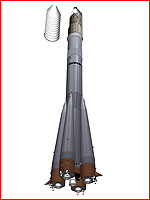
Following extracts taken from articles on Russian MOD website, dated 30 November 2006. Translated by Old Crow and submitted to MT's Milcom Blog for information and interest.
Preparations continue for the launch of a Soyuz-2 rocket which will carry a device belonging to the Russian Ministry of Defence. The preparations are being carried out at the Plesetsk Space Centre in accordance with confirmed plans for a second series of flight tests. Yesterday, space centre teams completed the fuelling of the orbital vehicle "Fregat". It will be taken to the assembly-testing complex at square 43 where "Soyuz-2" and related equipment is undergoing tests. Preparatory tests for the launching of "Soyuz-2" and "Fregat" were carried out during November, in the course of which all operations concerned with pre-launch conditions were carried out.. except for the fuelling and "Commit to Launch" commanding. At the same time, the ground-based equipment at the launch site, the fuelling lines, the telemetry sensors and transmitters and the computer/mathematics support were all checked to be in working order. Today, at the technical site (square 141), teams from the space centre headed by Colonel Aleksandr Shevkunov, have begun work on a "Kosmos-3M" rocket. Their first day's work was to unload the rocket and to assemble the nose fairing. The launch of both rockets is planned for some time in December.
A Special Offer for MT Blog Readers
The good folks at Monitoring Times magazine are offering a special, limited time, discounted rate of US$14.95 on a one year MT Express subscription if you mention the BLOG page (Editor’s Page, Fed Files, Milcom, Monitoring Post, Shortwave, and Ute World) you are viewing right now. This is a great price on a great magazine and you get MT delivered electronically every month well before the print edition hits the streets.
This special offer is for first-time subscribers and renewals. This offer is available for a limited time only (must be used by the close of business December 31, 2006) and can only be used one time per customer.
And MT Express makes a great holiday gift at US$14.95 for a one year subscription.
What is Monitoring Times magazine?
MT is a full-spectrum monthly magazine for the radio listener, Monitoring Times covers scanning, shortwave, military and federal comms, and other radio topics from below 500 kHz to 900 MHz and above. Presented in an easy-to-understand style by an experienced writing staff, MT helps you get the most out of your time and your equipment with practical listening tips and frequencies.
What is MT Express?
MT Express is the same magazine as our printed version, but it is presented in Adobe Acrobat portable document file (pdf) format, including full color photography and active links to URLs and email addresses. It is the fastest and easiest way to get the information and frequencies you need on the radio hobby.You can see what is in current issue of MT, including sample pages on the MT current issue webpage.
So if you like what we do here on the MT Blog pages and you want even more, then pick up that telephone and call the MT order desk toll free at 1-800-438-8155 (Mon-Fri 9a-5p EDT/1400-2100 UTC) and get US$5.00 off the regular price of MT Express. And remember you have to mention the BLOG page you are viewing right now in order to get the MT Express Bloggers discount.
Blue Angels Release 2007 Show Schedule
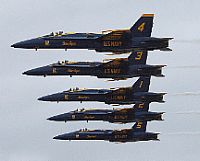
NAVAL AIR STATION PENSACOLA, Fla. (NNS) -- The Navy Flight Demonstration Squadron, the Blue Angels, announced their schedule for the 2007 show season.
Following winter training, the team will begin its 61st season at Naval Air Facility El Centro, Calif., March 10, 2007. It will conclude Nov. 10 at Naval Air Station Pensacola, Fla.
The Blue Angels are scheduled to perform 66 demonstrations at 35 air show sites throughout the United States, as they celebrate 20 years of flying the Boeing F/A-18 Hornet.
Demonstration sites are selected in support of the objectives of the U.S. Navy, U.S. Marine Corps and the Department of Defense. Public performances greatly assist Navy and Marine Corps recruiting and retention goals, enhance esprit de corps among uniformed men and women, and demonstrate the professional skills and capabilities of the armed forces to bolster pride in the American public.
“The Blue Angels are fired up and ready for a safe and exhilarating show season,” said Cmdr. Kevin Mannix, Blue Angels flight leader and commanding officer. “While we wanted to perform at every air show site, we have a limited number of available performance dates each season. Every venue that requested to host the Blue Angels received the Navy’s utmost consideration.”
The Blue Angels are scheduled to perform at the following locations in 2007.
March
10 NAF El Centro CA
17-18 Davis Monthan AFB AZ
24 Tyndall AFB FL
31 MacDill AFB FL
April
01 MacDill AFB, FL
14-15 NAS Corpus Christi TX
21-22 MCAS Beaufort SC
28-29 Vidalia GA
May
05-06 Offutt AFB NE
12 Seymour Johnson AFB NC
19-20 La Crosse WI
23 U.S. Naval Academy MD
26-27 Millville NJ
June
02-03 Rockford IL
09-10 Tinker AFB OK
16-17 Fargo ND
23-24 North Kingstown RI
30 Battle Creek MI
July
01 Battle Creek MI
07-08 Ypsilanti MI
14-15 McConnell AFB KS
21 Pensacola Beach FL
28-29 Bozeman MT
August
04-05 Seattle WA
11-12 Hillsboro OR
25-26 Indianapolis IN
September
01-03 St. Louis MO
08-09 NAS Oceana VA
15-16 NAS Brunswick ME
22-23 Millington TN
29-30 Salinas CA
October
06-07 San Francisco CA
13-14 MCAS Kaneohe Bay HI
20-21 Fort Worth TX
27-28 Muskogee OK
November
03-04 Jacksonville Beach FL
09-10 NAS Pensacola FL
Although these dates have been approved, they are subject to change. For the most updated schedule information, log on to the team’s official Web site at http://www.blueangels.navy.mil.
Thunderbirds release 2007 show schedule

NELLIS AIR FORCE BASE, Nev. (AFPN) -- The U.S. Air Force Air Demonstration Squadron, "Thunderbirds," has announced its 2007 air show schedule.
The team is scheduled to perform more than 68 shows in 21 states and nine European countries.
The 2007 schedule is as follows:
March
24-25 Luke AFB AZ
31 Point Mugu NB Ventura County CA
April
01 Point Mugu NB Ventura County CA
14-15 Eglin AFB FL
21-22 Barksdale AFB LA
28-29 Langley AFB VA
May
05-06 Fort Lauderdale FL
12-13 McGuire AFB NJ
19-20 Andrews AFB MD
26-27 Wantagh (Jones Beach) NY
30 U.S. Air Force Academy CO (By Invitation Only Show)
June
02-03 Davenport IA
09-10 Sacramento CA
16-17 Pittsburgh PA
23-24 Galway, Ireland
26 Krzesiny Air Base, Poland
28 Mihail Kogalniceanu, Romania
30 Ankara, Turkey
July
01 Graf Ignatievo, Bulgaria
04 Aviano AB, Italy
07-08 Evreux Field, France
14-15 RAF Fairford, United Kingdom
25 Cheyenne WY
28-29 Dayton OH
August
11-12 Niagara Falls NY
15 Atlantic City NJ
18-19 Chicago IL
25-26 Otis ANGB MA
September
01-03 Cleveland OH
08 Minot AFB ND
15 Hickam AFB HI
22-23 El Paso TX
29-30 Columbus OH
October
06-07 Pope AFB NC
13-14 Miramar MCAS CA
20-21 Moody AFB GA
27-28 New Orleans LA
November
03-04 NASA Cape Canaveral FL
10-11 Nellis AFB NV
"The entire team is excited to announce our schedule for 2007," said Lt. Col. Kevin Robbins, Thunderbird No. 1, commander and leader. "The Thunderbirds' motto is 'Ambassadors in Blue' ... in the truest sense of those words this year we'll be able to bring the message of every hard-working Airman to thousands of people around the world."
The second-year commander said his team is ready to take the Airman's story abroad.
"We are well aware this is a time of conflict for our nation, yet it is important to take the time to display the true nature of our armed forces, both to allies and foes," Colonel Robbins said. "We look forward to illustrating the dedication, commitment and humility our Airmen display in their jobs each day, both at home and overseas."
The Thunderbirds will also commemorate the 60th anniversary of the Air Force throughout their 2007 season.
"We are representing six decades of air dominance this year," Colonel Robbins said. "The Air Force and Thunderbirds of today uphold the pride and professionalism that millions of Airmen have displayed for 60 years."
The U.S. Air Force Air Demonstration Squadron is an Air Combat Command unit composed of eight pilots (including six demonstration pilots), four support officers, four civilians and about 110 enlisted people performing in more than 29 Air Force specialties.
The 2007 team includes the world's first female jet demonstration pilot, Maj. Nicole Malachowski, Thunderbird No. 3, right wing, in her second year, and the Thunderbirds' first female solo pilot, Maj. Samantha Weeks, Thunderbird No. 6, opposing solo, in her first season with the team.
The remaining pilots for the 2007 season include: Maj. Chris Austin, Thunderbird No. 2, left wing; Maj. Scott Poteet, Thunderbird No. 4, slot; and Maj. Ed Casey, Thunderbird No. 5, lead solo.
Rounding out the list of officers are: Maj. Rob Skelton, Thunderbird No. 7, operations officer; Maj. Tad Clark, Thunderbird No. 8, advance pilot/narrator; Maj. (Dr.) Dan Mirski, Thunderbird No. 9, flight surgeon; Capt. Amy Glisson, Thunderbird No. 10, executive officer; Capt. Charles Ploetz, Thunderbird No. 11, maintenance officer; and Capt. Elizabeth Kreft, Thunderbird No. 12, public affairs officer.
A Thunderbirds' aerial demonstration is a mix of formation flying and solo routines. The pilots perform approximately 40 maneuvers in a demonstration. The entire show, including ground and air, runs about one hour. The air show season lasts from March to November, with the winter months used to train new members.
Tuesday, December 05, 2006
New NASA Frequency List Online

This afternoon we posted a new edition of our Monitoring NASA and Space Communications list on the Monitoring Times website. This new edition, posted just in time for the STS-116 launch on Thursday, is 40 pages and now includes a NASA aircraft list and a comprehensive NASA callsign list. Of course, the Adobe PDF file is free of charge and is provided as a service to the radio hobby community.
Large Wallops launch set for Monday
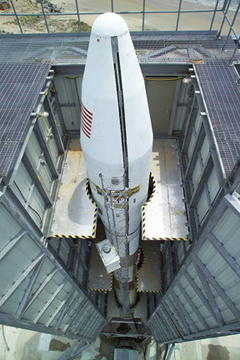
Frequencies for Wallops at end of list.
The Air Force Research Laboratory's TacSat-2 satellite is scheduled for launch Dec. 11, 2006, from the NASA Wallops Flight Facility. The U.S. Air Force Space and Missile Systems Center's Space Development and Test Wing has overall management of the mission. The satellite will be launched on an Air Force four-stage Minotaur I space launch vehicle contracted through Orbital Sciences Corporation's Launch Systems Group. The mission will be conducted from the Mid-Atlantic Regional Spaceport launch pad on the south end of Wallops Island.
TacSat-2 will be launched on board a Minotaur I rocket, integrated by Orbital Sciences Corporation (OSC). The Minotaur I is a four-stage vehicle, two stages being refurbished Minuteman II stages and the other two stages being OSC stages. The Minotaur is 69 feet tall and 5 feet wide.
The main payload is the TacSat-2 satellite which will exhibit tenets of responsive space concepts.
The secondary payload is the GeneSat-1, which was developed by the NASA Ames Research Center. GeneSat-1 is a fully automated, miniature spaceflight system that will provide life support for small living things. The mission will look for genetic changes in bacteria (E.Coli) during spaceflight. The E.Coli on board is E.Coli K-12, which cannot live within humans. The knowledge obtained from the GeneSat-1 experiment may contribute to safe, long-duration space missions by humans.
The TacSat-2 satellite carries on board a new technology instrument sponsored by the NASA New Millennium Program which develops and validates in space advanced technologies. The instrument, called the Inertial Stellar Compass (ISC), is part of the Space Technology 6 project. The ISC was developed by Draper Laboratory in Cambridge, Massachusetts. The ISC is a miniature star camera and MEMS gyro suite which will allow future small spacecraft autonomously find its orientation in space.
There are several ways to follow the countdown on launch day:
760 AM: The NASA Wallops Flight Facility Radio Station. (Note: This station only airs approximately 5-10 miles from the NASA Visitor Center.)
The Wallops Flight Facility website (http://www.wff.nasa.gov/index.html) will provide a running status of the launch countdown.
Local radio stations (103.3 WESR, 99.3 WVES, 99.9 WWFG, and 96.5 WCTG) will provide launch updates.
From our NASA Frequency and Callsign List (Note to our readers: A new expanded edition of our Monitoring NASA and Space Communications publication will be posted and available for download later today on the Monitoring Times website).
Wallops Island Flight Facility
Air-to-Ground Net 264.550 310.650 326.300 382.600
Approach/Departure Control 127.950 314.000 [Patuxent River Approach//Departure Services] 132.550 134.100 353.600 [Washington ARTCC]
ASOS Weather System 119.175
Clearance Delivery 121.700
Coordination Net 139.4750 140.2750
Distress, Safety and Calling (Marine) 156.8000
Earth Station Operations 166.0500
Facility Maintenance 171.3875
Flight Test Support 122.850 123.150 123.175 123.200 123.225 123.250 123.300 123.375 123.450 123.550
Instrumentation Net 149.1500 149.3250
Medical Net 171.0000
Miscellaneous Net 236.450 256.550
NASA Aircraft Operations 311.200
NASA Range Surveillance Aircraft/Mission Net 121.950 123.400
Paging System 170.4000
Security 170.3500
Test Range Operations 166.2250 171.1500 314.600
Test Range Safety 156.3000 156.6000 156.6250 156.7000 164.7000
Tower 126.500 394.300
Transportation Dispatch 46.7300
Unicom 122.800
TacSat-2 RF communications: CDL (Common Data Link) technology is being implemented (X-band downlink and uplink). AFRL is providing the first year of on-orbit operations. The most important contribution of TacSat-2 is the use of a space-based CDL. Flying a CDL transponder requires ground-breaking work in frequency allocations and communications security (COMSEC) approaches. Direct tasking and data dissemination are being implemented using the SIPRNet (Secret Internet Protocol Routing Network) capabilities, a classified network of DoD. The SIPRNet system objectives are to integrate all space assets into the forces so that the Joint Task Force (JTF) Commander can call up assets by deciding the payload capability required, i.e., the area of interest, the area for direct downlink, and the date the assets must be operational.
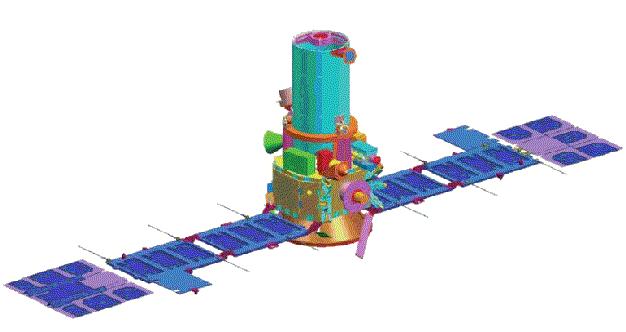
FCC Proposing Changes to US Aero Frequencies
Thanks to Chris Corley via the Milcom newsgroup, Jack NeSmith and several others who forwarded this link on the 10 October 2006 FCC Second Report and Order and Second Further Notice of Proposed Rule Making. This is part of the review of the Part 87 rules on the Aviation Radio Service.
http://www.fcc.gov/Daily_Releases/Daily_Business/2006/db1011/FCC-06-148A1.pdf
US Aero HF Frequencies (Revised 87.173 if 06-148 is finalized)
2850.0-3025.0 kHz MA, FAE International HF.
2851.0 kHz MA, FAE,FAT International HF;Flight Test.
2866.0 kHz MA, FAE Domestic HF (Alaska).
2875.0 kHz MA, FAE Domestic HF.
2878.0 kHz MA1, FAE Domestic HF; International HF.
2911.0 kHz MA, FAE Domestic HF.
2956.0 kHz MA, FAE Domestic HF.
3004.0 kHz MA, FAE,FAT International HF;Flight Test.
3019.0 kHz MA1, FAE Domestic HF; International HF.
3023.0 kHz MA1, FAR, FAC Search and rescue communications.
3281.0 kHz MA, FAS Lighter-than-air craft and aeronautical stations serving lighter-than-air craft.
3400.0-3500.0 kHz MA, FAE International HF.
3434.0 kHz MA1, FAE Domestic HF.
3443.0 kHz MA, FAT Flight Test.
3449.0 kHz MA, FAE Domestic HF.
3470.0 kHz MA, FAE Domestic HF; International HF.
4125.0 kHz MA Distress and safety with ships and coast stations.
4550.0 kHz AX Gulf of Mexico.
4645.0 kHz AX Alaska.
4650.0-4700.0 kHz MA, FAE International HF.
4672.0 kHz MA1, FAE Domestic HF.
4947.5 kHz AX Alaska.
5036.0 kHz AX Gulf of Mexico.
5122.5 kHz AX Alaska.
5167.5 kHz FA Alaska emergency.
5310.0 kHz AX Alaska.
5450.0-5680.0 kHz MA, FAE International HF.
5451.0 kHz MA, FAT Flight Test.
5463.0 kHz MA1, FAE Domestic HF.
5469.0 kHz MA, FAT Flight Test.
5472.0 kHz MA, FAE Domestic HF.
5484.0 kHz MA, FAE Domestic HF.
5490.0 kHz MA, FAE Domestic HF.
5496.0 kHz MA, FAE Domestic HF.
5508.0 kHz MA1, FAE Domestic HF.
5571.0 kHz MA, FAT Flight Test.
5631.0 kHz MA, FAE Domestic HF.
5680.0 kHz MA1, FAC, FAR Search and rescue communications.
5887.5 kHz AX Alaska.
6525.0-6685.0 kHz MA, FAE International HF.
6550.0 kHz MA, FAT Flight Test.
6580.0 kHz MA, FAE Domestic HF.
6604.0 kHz MA, FAE Domestic HF.
8015.0 kHz AX Alaska.
8364.0 kHz MA Search and rescue communications.
8815.0-8965.0 kHz MA, FAE International HF.
8822.0 kHz MA, FAT Flight Test.
8855.0 kHz MA, FAE Domestic HF; international HF.
8876.0 kHz MA, FAE Domestic HF.
10005.0-10100.0 kHz MA, FAE International HF.
10045.0 kHz MA, FAT Flight Test.
10066.0 kHz MA, FAE Domestic HF; international HF.
11275.0-11400.0 kHz MA, FAE International HF.
11288.0 kHz MA, FAT Flight Test.
11306.0 kHz MA, FAT Flight Test.
11357.0 kHz MA, FAE Domestic HF.
11363.0 kHz MA, FAE Domestic HF.
13260.0-13360.0 kHz MA, FAE International HF.
13312.0 kHz MA, FAE,FAT International HF; Flight Test.
17900.0-17970.0 kHz MA, FAE International HF.
17964.0 kHz MA, FAT Flight Test.
21924.0-22000.0 kHz MA, FAE International HF.
21931.0 kHz MA, FAT Flight Test.
http://www.fcc.gov/Daily_Releases/Daily_Business/2006/db1011/FCC-06-148A1.pdf
US Aero HF Frequencies (Revised 87.173 if 06-148 is finalized)
2850.0-3025.0 kHz MA, FAE International HF.
2851.0 kHz MA, FAE,FAT International HF;Flight Test.
2866.0 kHz MA, FAE Domestic HF (Alaska).
2875.0 kHz MA, FAE Domestic HF.
2878.0 kHz MA1, FAE Domestic HF; International HF.
2911.0 kHz MA, FAE Domestic HF.
2956.0 kHz MA, FAE Domestic HF.
3004.0 kHz MA, FAE,FAT International HF;Flight Test.
3019.0 kHz MA1, FAE Domestic HF; International HF.
3023.0 kHz MA1, FAR, FAC Search and rescue communications.
3281.0 kHz MA, FAS Lighter-than-air craft and aeronautical stations serving lighter-than-air craft.
3400.0-3500.0 kHz MA, FAE International HF.
3434.0 kHz MA1, FAE Domestic HF.
3443.0 kHz MA, FAT Flight Test.
3449.0 kHz MA, FAE Domestic HF.
3470.0 kHz MA, FAE Domestic HF; International HF.
4125.0 kHz MA Distress and safety with ships and coast stations.
4550.0 kHz AX Gulf of Mexico.
4645.0 kHz AX Alaska.
4650.0-4700.0 kHz MA, FAE International HF.
4672.0 kHz MA1, FAE Domestic HF.
4947.5 kHz AX Alaska.
5036.0 kHz AX Gulf of Mexico.
5122.5 kHz AX Alaska.
5167.5 kHz FA Alaska emergency.
5310.0 kHz AX Alaska.
5450.0-5680.0 kHz MA, FAE International HF.
5451.0 kHz MA, FAT Flight Test.
5463.0 kHz MA1, FAE Domestic HF.
5469.0 kHz MA, FAT Flight Test.
5472.0 kHz MA, FAE Domestic HF.
5484.0 kHz MA, FAE Domestic HF.
5490.0 kHz MA, FAE Domestic HF.
5496.0 kHz MA, FAE Domestic HF.
5508.0 kHz MA1, FAE Domestic HF.
5571.0 kHz MA, FAT Flight Test.
5631.0 kHz MA, FAE Domestic HF.
5680.0 kHz MA1, FAC, FAR Search and rescue communications.
5887.5 kHz AX Alaska.
6525.0-6685.0 kHz MA, FAE International HF.
6550.0 kHz MA, FAT Flight Test.
6580.0 kHz MA, FAE Domestic HF.
6604.0 kHz MA, FAE Domestic HF.
8015.0 kHz AX Alaska.
8364.0 kHz MA Search and rescue communications.
8815.0-8965.0 kHz MA, FAE International HF.
8822.0 kHz MA, FAT Flight Test.
8855.0 kHz MA, FAE Domestic HF; international HF.
8876.0 kHz MA, FAE Domestic HF.
10005.0-10100.0 kHz MA, FAE International HF.
10045.0 kHz MA, FAT Flight Test.
10066.0 kHz MA, FAE Domestic HF; international HF.
11275.0-11400.0 kHz MA, FAE International HF.
11288.0 kHz MA, FAT Flight Test.
11306.0 kHz MA, FAT Flight Test.
11357.0 kHz MA, FAE Domestic HF.
11363.0 kHz MA, FAE Domestic HF.
13260.0-13360.0 kHz MA, FAE International HF.
13312.0 kHz MA, FAE,FAT International HF; Flight Test.
17900.0-17970.0 kHz MA, FAE International HF.
17964.0 kHz MA, FAT Flight Test.
21924.0-22000.0 kHz MA, FAE International HF.
21931.0 kHz MA, FAT Flight Test.
Monday, December 04, 2006
U.S. military frequency jams hundreds of garage doors
A MT Milcom Blog Exclusive
It is a headline that this writer is extremely familiar with. In the June 2004 issue of Monitoring Times, I wrote about the first 380-400 MHz DoD Land Mobile Radio (LMR) system at Eglin AFB, thanks to a "DoD jamming garage door opener" story that moved on the AP wire service. After several telephone calls to AF public affairs personnel, and an exclusive authorized interview with base communications personnel I not only uncovered the new system, but also the existence of the new 380-400 MHz DoD LMR band.
Similar wire stories have moved across the AP regarding trunk system interference associated with new systems at the Defense Distribution Depot Susquehanna (DDSP) near New Cumberland, Pennsylvania, and Fort Detrick, Maryland. In each case these new systems during their test phases caused interference to Part 15 garage door devices. Now that familiar headline has popped up in Colorado Springs, Colorado.
Homeowners up in arms: U.S. military frequency jams hundreds of garage doors
New Air Force radio frequency jams garage door openers
And this last article from an individual who obviously doesn't understand the radio spectrum and communications, and has a political axe to grind.
Garage door openers go crazy over new military radio system
If this system follows along the same guidelines as those that have already been installed then scanner monitors in the Colorado Springs, and possibly Denver (Buckley ANGB) areas are getting one of these new 380-400 MHz multi-site trunk systems.
If you have access to one of the new P25 digital scanners, then start searching the 380-390 MHz spectrum using narrowband FM, 12.5-kHz spacing, and look for trunk control frequencies/P25 digital voice channels associated with the new system.
More than likely, in addition to the system installed on NORAD Cheyenne Mountain, you might also see new trunk sites at Peterson, Schriever, Fort Carson, the AF Academy and possible Buckley ANGB, if current trends hold. I expect a lot of new 380-390 MHz frequencies to be popping up in that area very soon.
And for those of you who do not take Monitoring Times magazine here is the scoop. First, some background from a 2005 GAO report http://www.gao.gov/new.items/d06172r.pdf
"To address homeland defense needs and comply with government direction that agencies use the electromagnetic spectrum more efficiently, the Department of Defense (DOD) is deploying new Land Mobile Radios to military installations across the country. The new Land Mobile Radios operate in the same frequency range–380 Megahertz (MHz) to 399.9 MHz–as many unlicensed low-powered garage door openers, which have operated in this range for years. While DOD has been the authorized user of this spectrum range for several decades, their use of Land Mobile Radios between 380 MHz and 399.9 MHz is relatively new. With DOD’s deployment of the new radios and increased use of the 380 MHz-399.9 MHz range of spectrum, some users of garage door openers have experienced varying levels of inoperability that has been attributed to interference caused by the new radios. Nevertheless, because garage door openers operate as unlicensed devices, they must accept any interference from authorized spectrum users. This requirement stems from Part 15 of the Federal Communications Commission (FCC) regulations. Garage door openers and other unlicensed devices are often referred to as “Part 15 devices.” Congress requested that GAO review the potential spectrum interference caused by DOD’s recent deployment of Land Mobile Radios. Specifically, Congress asked us to (1) determine the extent of the problem of spectrum interference associated with the recent testing and use of mobile radios at military facilities in the United States, (2) review the efforts made by DOD during the development of its Land Mobile Radio system to identify and avoid spectrum interference, and (3) identify efforts to address the problem.
"Since DOD began its rollout of the new Land Mobile Radios in 2004, a number of complaints have been reported at several locations near military installations–notably, Eglin Air Force Base, Florida; Defense Distribution Depot Susquehanna (DDSP) near New Cumberland, Pennsylvania; and Ft. Detrick, Maryland. As of August 2005, manufacturers had received over 1,300 customer complaints of affected garage door openers that they attributed to interference from Land Mobile Radios. One major manufacturer also estimated that its distributors had received between 7,000 and 10,000 complaints. However, the extent of interference experienced by users of garage door openers from DOD’s Land Mobile Radios is difficult to quantify because interference problems may not be reported or may be reported to several different organizations, including garage door opener manufacturers and retailers, government agencies, or congressional representatives. According to DOD and garage door opener manufacturers, the nature of the interference that has occurred varies by location. In some locations where the radios were rolled out, no occurrences of interference have been reported. Where interference has been reported, the problems range from intermittent inoperability to situations where the garage door may not open at all with the remote control device. DOD has reported a decrease of interference complaints. They attribute this decrease, in part, to consumer awareness of the problem and the completion of the Land Mobile Radio testing phase, at each site. In early 2005, following reports of interference, the National Telecommunications and Information Administration’s Office of Spectrum Management and the FCC’s Office of Engineering and Technology established a working group with representatives from DOD and the major manufacturers of garage door openers to develop short- and long-term solutions to the spectrum interference problem. The group has met several times, and as a result, DOD and the manufacturers report that progress has been made in terms of coordination and information sharing. For example, DOD has provided the Land Mobile Radio rollout locations to manufacturers and the ranges of spectrum to be affected through fiscal year 2010. DOD has also conducted analyses showing the likely extent of potential interference from Land Mobile Radios in several populated areas where the radios will be deployed and has given the findings to major manufacturers. For their part, manufacturers are offering retrofit kits to change the frequencies of existing garage door openers that would cost consumers $50 to $80, excluding installation. Furthermore, for new devices, one manufacturer is moving off of the 390 MHz spectrum range, and another plans to go to a multi-frequency approach using 390 MHz and other spectrum in order to minimize potential interference problems in the future."
Now for the scanner listener nitty gritty.
First, its would appear that these trunk systems and new conventional frequencies are only being installed within CONUS and onboard US Navy ships.
Second, not all of the military aero frequencies will move out of this 380-400 MHz spectrum. This spectrum will become a patch work of aero (25-kHz spacing and AM), LMR (both trunk and conventional simplex, 12.5-kHz spacing and narrowband fm mode), and wideband modes (data and digital) services. At this point we have identified well over 60 percent of the known frequencies in this range as LMR (see the August 2006 Milcom column in MT for the complete list).
Third, for the most part you will find the repeater/trunk system outputs in the 380-390 MHz range, and the inputs 10 MHz higher (390-400 MHz). So to find activity in your area, start searching the 380-390 MHz using nfm and 12.5-kHz spacing. Conventional systems and simplex FM activity can pop up anywhere in the 380-400 MHz range except within established aero sub-bands.
Some familiar frequencies such as the US Coast Guard 381.7 and 381.8 MHz A/G frequencies have already transitioned to other frequencies in the 225-400 MHz spectrum. Others such as the nationwide USAF ACC Command Post 381.3 MHz will remain.
This has also resulted in a "major" overhaul in the 225-400 MHz spectrum. Things are shifting or are about to shift, and most of the "old" frequency standbys such as the Hunterdon Aero books, the Top Secret Registry, most nationwide frequency internet website lists, the Police Call mil freqs, and many, many other guidebooks, are getting very long in the tooth, or are no longer valid.
And these changes are definitely "NOT" over with. For instance, while there are still some Metro stations on 344.6 MHz, it is obvious based on recent events over the last two years that they are cleaning this frequency out and moving this function from the frequency. It is my opinion that they are creating some sort of new wideband mode sub band around this frequency based on recent monitoring. So, if your 344.600 MHz Metro function is still operating in your area, expect it to move soon.
We have also seen what appear to be a major consolidation of NORAD frequencies. It has been noted that previously IDed NORAD freqs seem to have disappeared from NORAD usage. As noted in an earlier article on this blog, SEADS closing its doors. It is not known at this point if that consolidation, the events of 9/11, or if this is also part of the general overhaul we are seeing in the 225-400 MHz band has caused NORAD to give away some freqs.
Bottom line: Be prepared to put those scanners in search modes, or slowly watch your milair listening go away. To be fair not, everything is changing. But enough is that each of you will surely notice, if you haven't already, activity disappearing in your local area in the 225-400 MHz band.
I urge each of you to watch your local scene very carefully over the next two to three years, and be sure to report to this blog or the Milcom newsgroup any changes you notice. With the loss of the US IFR Sup next October, this will become critial if we are to keep track of all the changes in our favorite frequency ranges, 225-400 MHz, the milair band.
BTW-As a side note to all this. The 225-400 MHz band is NOT the only band changing. Others federal bands are being overhauled as well under NTIA mandate. Here are the places and spacings to scan for new activity.
138.0-144.0 MHz 12.5-kHz spacing (major changes taking place here)
148.0-150.8 MHz 12.5-kHz spacing (major changes taking place here)
162.0-174.0 MHz 12.5-kHz spacing (new P25 activity and trunk systems popping up almost daily)
406.0-420.0 MHz 12.5-kHz spacing (new P25 activity and trunk system popping up almost daily)
Disclaimer: Any links that appear in this blog article do not represent the opinions or are they an endorsement by the blog author, Monitoring Times magazine, Grove Enterprises, or its employees. They are presented here strictly for informational purposes only.
It is a headline that this writer is extremely familiar with. In the June 2004 issue of Monitoring Times, I wrote about the first 380-400 MHz DoD Land Mobile Radio (LMR) system at Eglin AFB, thanks to a "DoD jamming garage door opener" story that moved on the AP wire service. After several telephone calls to AF public affairs personnel, and an exclusive authorized interview with base communications personnel I not only uncovered the new system, but also the existence of the new 380-400 MHz DoD LMR band.
Similar wire stories have moved across the AP regarding trunk system interference associated with new systems at the Defense Distribution Depot Susquehanna (DDSP) near New Cumberland, Pennsylvania, and Fort Detrick, Maryland. In each case these new systems during their test phases caused interference to Part 15 garage door devices. Now that familiar headline has popped up in Colorado Springs, Colorado.
Homeowners up in arms: U.S. military frequency jams hundreds of garage doors
New Air Force radio frequency jams garage door openers
And this last article from an individual who obviously doesn't understand the radio spectrum and communications, and has a political axe to grind.
Garage door openers go crazy over new military radio system
If this system follows along the same guidelines as those that have already been installed then scanner monitors in the Colorado Springs, and possibly Denver (Buckley ANGB) areas are getting one of these new 380-400 MHz multi-site trunk systems.
If you have access to one of the new P25 digital scanners, then start searching the 380-390 MHz spectrum using narrowband FM, 12.5-kHz spacing, and look for trunk control frequencies/P25 digital voice channels associated with the new system.
More than likely, in addition to the system installed on NORAD Cheyenne Mountain, you might also see new trunk sites at Peterson, Schriever, Fort Carson, the AF Academy and possible Buckley ANGB, if current trends hold. I expect a lot of new 380-390 MHz frequencies to be popping up in that area very soon.
And for those of you who do not take Monitoring Times magazine here is the scoop. First, some background from a 2005 GAO report http://www.gao.gov/new.items/d06172r.pdf
"To address homeland defense needs and comply with government direction that agencies use the electromagnetic spectrum more efficiently, the Department of Defense (DOD) is deploying new Land Mobile Radios to military installations across the country. The new Land Mobile Radios operate in the same frequency range–380 Megahertz (MHz) to 399.9 MHz–as many unlicensed low-powered garage door openers, which have operated in this range for years. While DOD has been the authorized user of this spectrum range for several decades, their use of Land Mobile Radios between 380 MHz and 399.9 MHz is relatively new. With DOD’s deployment of the new radios and increased use of the 380 MHz-399.9 MHz range of spectrum, some users of garage door openers have experienced varying levels of inoperability that has been attributed to interference caused by the new radios. Nevertheless, because garage door openers operate as unlicensed devices, they must accept any interference from authorized spectrum users. This requirement stems from Part 15 of the Federal Communications Commission (FCC) regulations. Garage door openers and other unlicensed devices are often referred to as “Part 15 devices.” Congress requested that GAO review the potential spectrum interference caused by DOD’s recent deployment of Land Mobile Radios. Specifically, Congress asked us to (1) determine the extent of the problem of spectrum interference associated with the recent testing and use of mobile radios at military facilities in the United States, (2) review the efforts made by DOD during the development of its Land Mobile Radio system to identify and avoid spectrum interference, and (3) identify efforts to address the problem.
"Since DOD began its rollout of the new Land Mobile Radios in 2004, a number of complaints have been reported at several locations near military installations–notably, Eglin Air Force Base, Florida; Defense Distribution Depot Susquehanna (DDSP) near New Cumberland, Pennsylvania; and Ft. Detrick, Maryland. As of August 2005, manufacturers had received over 1,300 customer complaints of affected garage door openers that they attributed to interference from Land Mobile Radios. One major manufacturer also estimated that its distributors had received between 7,000 and 10,000 complaints. However, the extent of interference experienced by users of garage door openers from DOD’s Land Mobile Radios is difficult to quantify because interference problems may not be reported or may be reported to several different organizations, including garage door opener manufacturers and retailers, government agencies, or congressional representatives. According to DOD and garage door opener manufacturers, the nature of the interference that has occurred varies by location. In some locations where the radios were rolled out, no occurrences of interference have been reported. Where interference has been reported, the problems range from intermittent inoperability to situations where the garage door may not open at all with the remote control device. DOD has reported a decrease of interference complaints. They attribute this decrease, in part, to consumer awareness of the problem and the completion of the Land Mobile Radio testing phase, at each site. In early 2005, following reports of interference, the National Telecommunications and Information Administration’s Office of Spectrum Management and the FCC’s Office of Engineering and Technology established a working group with representatives from DOD and the major manufacturers of garage door openers to develop short- and long-term solutions to the spectrum interference problem. The group has met several times, and as a result, DOD and the manufacturers report that progress has been made in terms of coordination and information sharing. For example, DOD has provided the Land Mobile Radio rollout locations to manufacturers and the ranges of spectrum to be affected through fiscal year 2010. DOD has also conducted analyses showing the likely extent of potential interference from Land Mobile Radios in several populated areas where the radios will be deployed and has given the findings to major manufacturers. For their part, manufacturers are offering retrofit kits to change the frequencies of existing garage door openers that would cost consumers $50 to $80, excluding installation. Furthermore, for new devices, one manufacturer is moving off of the 390 MHz spectrum range, and another plans to go to a multi-frequency approach using 390 MHz and other spectrum in order to minimize potential interference problems in the future."
Now for the scanner listener nitty gritty.
First, its would appear that these trunk systems and new conventional frequencies are only being installed within CONUS and onboard US Navy ships.
Second, not all of the military aero frequencies will move out of this 380-400 MHz spectrum. This spectrum will become a patch work of aero (25-kHz spacing and AM), LMR (both trunk and conventional simplex, 12.5-kHz spacing and narrowband fm mode), and wideband modes (data and digital) services. At this point we have identified well over 60 percent of the known frequencies in this range as LMR (see the August 2006 Milcom column in MT for the complete list).
Third, for the most part you will find the repeater/trunk system outputs in the 380-390 MHz range, and the inputs 10 MHz higher (390-400 MHz). So to find activity in your area, start searching the 380-390 MHz using nfm and 12.5-kHz spacing. Conventional systems and simplex FM activity can pop up anywhere in the 380-400 MHz range except within established aero sub-bands.
Some familiar frequencies such as the US Coast Guard 381.7 and 381.8 MHz A/G frequencies have already transitioned to other frequencies in the 225-400 MHz spectrum. Others such as the nationwide USAF ACC Command Post 381.3 MHz will remain.
This has also resulted in a "major" overhaul in the 225-400 MHz spectrum. Things are shifting or are about to shift, and most of the "old" frequency standbys such as the Hunterdon Aero books, the Top Secret Registry, most nationwide frequency internet website lists, the Police Call mil freqs, and many, many other guidebooks, are getting very long in the tooth, or are no longer valid.
And these changes are definitely "NOT" over with. For instance, while there are still some Metro stations on 344.6 MHz, it is obvious based on recent events over the last two years that they are cleaning this frequency out and moving this function from the frequency. It is my opinion that they are creating some sort of new wideband mode sub band around this frequency based on recent monitoring. So, if your 344.600 MHz Metro function is still operating in your area, expect it to move soon.
We have also seen what appear to be a major consolidation of NORAD frequencies. It has been noted that previously IDed NORAD freqs seem to have disappeared from NORAD usage. As noted in an earlier article on this blog, SEADS closing its doors. It is not known at this point if that consolidation, the events of 9/11, or if this is also part of the general overhaul we are seeing in the 225-400 MHz band has caused NORAD to give away some freqs.
Bottom line: Be prepared to put those scanners in search modes, or slowly watch your milair listening go away. To be fair not, everything is changing. But enough is that each of you will surely notice, if you haven't already, activity disappearing in your local area in the 225-400 MHz band.
I urge each of you to watch your local scene very carefully over the next two to three years, and be sure to report to this blog or the Milcom newsgroup any changes you notice. With the loss of the US IFR Sup next October, this will become critial if we are to keep track of all the changes in our favorite frequency ranges, 225-400 MHz, the milair band.
BTW-As a side note to all this. The 225-400 MHz band is NOT the only band changing. Others federal bands are being overhauled as well under NTIA mandate. Here are the places and spacings to scan for new activity.
138.0-144.0 MHz 12.5-kHz spacing (major changes taking place here)
148.0-150.8 MHz 12.5-kHz spacing (major changes taking place here)
162.0-174.0 MHz 12.5-kHz spacing (new P25 activity and trunk systems popping up almost daily)
406.0-420.0 MHz 12.5-kHz spacing (new P25 activity and trunk system popping up almost daily)
Disclaimer: Any links that appear in this blog article do not represent the opinions or are they an endorsement by the blog author, Monitoring Times magazine, Grove Enterprises, or its employees. They are presented here strictly for informational purposes only.
Florida Milcom Blog Logs
Thanks to a regular MT Milcom contributor Jack NeSmith for contributing to the MT Milcom Blogspot some intercepts from his Florida location. Remember we want to hear from you and what regular frequencies you are monitoring at your Milcom monitoring post.
225.100 23d FW Pope AFB,NC Air to AIR
225.300 16th SOW Eglin AFB
225.350 Pinecastle Rng (R-2910) Targets
225.725 Robins AFB,GA. 116th ACW J-STARS
226.700 Tyndall AFB,Fl. Flight Operations
227.075 Eglin AFB,FL. W-470 Air to Air
228.900 "HUNTRESS" NORAD
231.750 Robins AFB,GA. 116th ACW J-STARS
234.600 Eglin AFB,FL. 33TFW Flight operations
234.925 Tyndall AFB,FL. GCI "HYDRA" Control
237.425 Exercise Discrete
238.800 NAS Key West,FL.
238.825 robins AFB,GA. 19th ARG Discrete
239.000 Orlando Exec Tower
239.350 Exercise Discrete
242.300 Unknown
251.250 125th FW Command Post/Maintenance
252.100 USAF Reserve Command Post
253.700 125th FW Discrete
254.200 "HUNTRESS" NORAD
254.250 RCAG Avon Park,FL. KZMA
254.275 Live Oak MOA KZJX
254.325 RCAG Lake City,FL KZJX
255.400 FSS FAA
257.150 Tyndall AFB,FL. Base Operations
257.250 Have Quick
257.500 125thFW Discrete
257.700 RCAG Avon Park,FL. KZMA
260.325 Exercise Discrete
261.000 Tyndall AFB,FL. W-151/470 Discrete
262.000 Tyndall AFB,Fl. Flight Operations
263.050 RCAG Jacksonville,FL. KZJX
264.625 Avon Park Range,FL. Bravo/Charlie
265.225 Unknown
265.400 "HUNTRESS" NORAD
267.500 FACSFAC Jacksonville,FL. "SEALORD"
267.850 Have Quick
268.425 Exercise Discrete
269.250 RCAG Orlando KZJX
269.300 RCAG Melbourne,FL. KZMA
269.325 Jacksonville IAP,FL. Approach/Departure
270.050 Eglin AFB,FL. Flight operations
271.400 NAS Jacksonville,FL. Sea Control Wing Atlantic Base
273.550 RCAG Daytona Beach,FL. KZJX
275.200 Flight Test
275.650 NAS Mayport,FL. Flight Operations
279.600 Tampa IAP,FL. Approach/Departure
279.750 Have Quick
279.950 USAF Air to Air
282.200 RCAG Jekyll Island,GA. KZJX
282.600 "HUNTRESS" NORAD
283.700 Macdill AFB,FL. Base TDY Aircraft Operations
283.850 Exercise Discrete
284.150 Have Quick
284.500 FACSFAC Jacksonville,FL. "SEALORD"
284.700 Orlando IAP,FL. Approach/Departure
285.500 RCAG Avon Park,FL. KZMA
285.650 RCAG Savannah,GA. KZJX
285.725 Avon Park Range South TAC
288.500 Tyndall AFB,FL. GCI "WHETSTONE" Control
289.050 Have Quick
289.200 Pinecastle Rng (R-2910) Range Control
289.275 MCAS Beaufort,SC VMFA(AW) 533
290.225 Unknown RCAG
292.100 Macdill AFB,FL. 6th ARW "THUNDER OPS"
292.200 Avon Park Range,FL. Range Control
292.700 "HUNTRESS" NORAD
293.100 Tyndall AFB,FL. W-470 Discrete
293.225 RCAG Vero Beach,FL. KZMA
293.550 AWACS/J-STARS
293.600 "HUNTRESS" NORAD
293.650 Exercise Discrete
299.300 MCAS Beaufort,SC VMFA(AW) 533
300.000 Barksdale AFB,LA. 2d BW Discrete
300.325 Eglin AFB,FL. Flight operations
300.425 USAF Unknown Used During Local CAP
301.000 USN
303.000 Airrefueling Common
304.875 Unknown
306.900 KZMA Arrival/Departure Atlantic Control
307.000 Orlando IAP,FL. Approach/Departure
307.250 RCAG St. Augustine,FL. KZJX
307.525 USN
308.625 Unknown
308.750 AWACS
309.425 Exercise Discrete
310.075 Exercise Discrete
310.825 Moody AFB,GA. GCA
311.000 Macdill AFB,FL. 6th ARW "Lighting OPS"
311.100 Unknown
311.300 Eglin AFB,FL. Flight operations
313.700 FACSFAC Jacksonville,FL. "SEALORD"
314.200 125th FW Discrete
314.300 Eglin AFB,FL 53d TES Discrete
314.450 Have Quick
315.900 Eglin AFB,FL. GCA
316.300 "HUNTRESS" NORAD
317.525 RCAG Lowell,FL. KZJX
317.600 RCAG Gainesville,FL. KZJX
317.700 Jacksonville IAP,FL. Tower
320.600 "HUNTRESS" NORAD
321.000 Macdill AFB,FL. 6th ARW "Lighting OPS"
322.300 Daytona Beach,FL. Approach/Departure
322.400 Jacksonville IAP,FL. Approach/Departure
322.475 RCAG Lake City,FL KZJX
324.800 NAS Jacksonville,FL. Flight Operations
324.850 USN
325.400 NAS Jacksonville,Fl. VS-22 "VIDAR" Discrete
327.100 RCAG Jacksonville,FL. KZJX
327.900 "HUNTRESS" NORAD
328.350 Exercise Discrete
338.250 Jacksonville IAP,FL. Approach/Departure
338.750 Eglin AFB,FL. Flight operations
339.700 FACSFAC Jacksonville,FL. "SEALORD" Discrete
339.925 Exercise Discrete
341.700 Orlando IAP,FL. Clearance Delivery
341.750 AWACS
342.100 Eglin AFB,FL. Command Post/ Mission Control
342.650 Exercise Discrete
343.000 125th FW Discrete
343.400 Tyndall AFB,FL. Range Control
345.000 USCG
346.250 RCAG St. Augustine,FL. KZJX
348.700 RCAG Melbourne,FL. KZMA
349.000 RCAG Avon Park,FL. KZMA
349.400 AMC ALCC
349.700 Tyndall AFB,Fl. Flight Operations
350.000 Exercise Discrete
350.025 Customs
350.975 Unknown
351.800 Jacksonville IAP,FL. Approach/Departure
352.000 RCAG Tallahassee,FL. KZJX
352.800 Tyndall AFB,Fl. Flight Operations
353.575 Tampa IAP,FL. Approach/Departure
357.000 FACSFAC Jacksonville "SEALORD
357.500 Tyndall AFB,Fl. Flight Operations
360.700 RCAG Tallahassee,FL. KZJX
360.800 RCAG Tallahassee,FL. KZJX
361.400 Tyndall AFB,FL. GCI "HYDRA" Control
364.200 "HUNTRESS" NORAD AICC
369.150 Eglin AFB,FL. 60th FS "CROW"
370.900 FAA
371.350 NAS Jacksonville,FL. VP-5 "FOX DEN"
372.200 Pilot to Dispatch
376.075 Customs
376.125 Robins AFB,GA. 116th ACW J-STARS
376.450 Eglin AFB,FL. Flight operations
377.100 RCAG Gainesville,FL. KZJX
379.400 Homestead ARB,FL. Flight Operations
379.950 Daytona Beach,FL. Approach/Departure
381.500 Daytona Beach,FL. Approach/Departure
381.600 RCAG Sarasota,FL. KZMA
385.500 Daytona Beach,FL. Approach/Departure
387.000 Daytona Beach,FL. Approach/Departure
388.950 AWACS
395.150 Robins AFB,GA. 116th ACW J-STARS
225.100 23d FW Pope AFB,NC Air to AIR
225.300 16th SOW Eglin AFB
225.350 Pinecastle Rng (R-2910) Targets
225.725 Robins AFB,GA. 116th ACW J-STARS
226.700 Tyndall AFB,Fl. Flight Operations
227.075 Eglin AFB,FL. W-470 Air to Air
228.900 "HUNTRESS" NORAD
231.750 Robins AFB,GA. 116th ACW J-STARS
234.600 Eglin AFB,FL. 33TFW Flight operations
234.925 Tyndall AFB,FL. GCI "HYDRA" Control
237.425 Exercise Discrete
238.800 NAS Key West,FL.
238.825 robins AFB,GA. 19th ARG Discrete
239.000 Orlando Exec Tower
239.350 Exercise Discrete
242.300 Unknown
251.250 125th FW Command Post/Maintenance
252.100 USAF Reserve Command Post
253.700 125th FW Discrete
254.200 "HUNTRESS" NORAD
254.250 RCAG Avon Park,FL. KZMA
254.275 Live Oak MOA KZJX
254.325 RCAG Lake City,FL KZJX
255.400 FSS FAA
257.150 Tyndall AFB,FL. Base Operations
257.250 Have Quick
257.500 125thFW Discrete
257.700 RCAG Avon Park,FL. KZMA
260.325 Exercise Discrete
261.000 Tyndall AFB,FL. W-151/470 Discrete
262.000 Tyndall AFB,Fl. Flight Operations
263.050 RCAG Jacksonville,FL. KZJX
264.625 Avon Park Range,FL. Bravo/Charlie
265.225 Unknown
265.400 "HUNTRESS" NORAD
267.500 FACSFAC Jacksonville,FL. "SEALORD"
267.850 Have Quick
268.425 Exercise Discrete
269.250 RCAG Orlando KZJX
269.300 RCAG Melbourne,FL. KZMA
269.325 Jacksonville IAP,FL. Approach/Departure
270.050 Eglin AFB,FL. Flight operations
271.400 NAS Jacksonville,FL. Sea Control Wing Atlantic Base
273.550 RCAG Daytona Beach,FL. KZJX
275.200 Flight Test
275.650 NAS Mayport,FL. Flight Operations
279.600 Tampa IAP,FL. Approach/Departure
279.750 Have Quick
279.950 USAF Air to Air
282.200 RCAG Jekyll Island,GA. KZJX
282.600 "HUNTRESS" NORAD
283.700 Macdill AFB,FL. Base TDY Aircraft Operations
283.850 Exercise Discrete
284.150 Have Quick
284.500 FACSFAC Jacksonville,FL. "SEALORD"
284.700 Orlando IAP,FL. Approach/Departure
285.500 RCAG Avon Park,FL. KZMA
285.650 RCAG Savannah,GA. KZJX
285.725 Avon Park Range South TAC
288.500 Tyndall AFB,FL. GCI "WHETSTONE" Control
289.050 Have Quick
289.200 Pinecastle Rng (R-2910) Range Control
289.275 MCAS Beaufort,SC VMFA(AW) 533
290.225 Unknown RCAG
292.100 Macdill AFB,FL. 6th ARW "THUNDER OPS"
292.200 Avon Park Range,FL. Range Control
292.700 "HUNTRESS" NORAD
293.100 Tyndall AFB,FL. W-470 Discrete
293.225 RCAG Vero Beach,FL. KZMA
293.550 AWACS/J-STARS
293.600 "HUNTRESS" NORAD
293.650 Exercise Discrete
299.300 MCAS Beaufort,SC VMFA(AW) 533
300.000 Barksdale AFB,LA. 2d BW Discrete
300.325 Eglin AFB,FL. Flight operations
300.425 USAF Unknown Used During Local CAP
301.000 USN
303.000 Airrefueling Common
304.875 Unknown
306.900 KZMA Arrival/Departure Atlantic Control
307.000 Orlando IAP,FL. Approach/Departure
307.250 RCAG St. Augustine,FL. KZJX
307.525 USN
308.625 Unknown
308.750 AWACS
309.425 Exercise Discrete
310.075 Exercise Discrete
310.825 Moody AFB,GA. GCA
311.000 Macdill AFB,FL. 6th ARW "Lighting OPS"
311.100 Unknown
311.300 Eglin AFB,FL. Flight operations
313.700 FACSFAC Jacksonville,FL. "SEALORD"
314.200 125th FW Discrete
314.300 Eglin AFB,FL 53d TES Discrete
314.450 Have Quick
315.900 Eglin AFB,FL. GCA
316.300 "HUNTRESS" NORAD
317.525 RCAG Lowell,FL. KZJX
317.600 RCAG Gainesville,FL. KZJX
317.700 Jacksonville IAP,FL. Tower
320.600 "HUNTRESS" NORAD
321.000 Macdill AFB,FL. 6th ARW "Lighting OPS"
322.300 Daytona Beach,FL. Approach/Departure
322.400 Jacksonville IAP,FL. Approach/Departure
322.475 RCAG Lake City,FL KZJX
324.800 NAS Jacksonville,FL. Flight Operations
324.850 USN
325.400 NAS Jacksonville,Fl. VS-22 "VIDAR" Discrete
327.100 RCAG Jacksonville,FL. KZJX
327.900 "HUNTRESS" NORAD
328.350 Exercise Discrete
338.250 Jacksonville IAP,FL. Approach/Departure
338.750 Eglin AFB,FL. Flight operations
339.700 FACSFAC Jacksonville,FL. "SEALORD" Discrete
339.925 Exercise Discrete
341.700 Orlando IAP,FL. Clearance Delivery
341.750 AWACS
342.100 Eglin AFB,FL. Command Post/ Mission Control
342.650 Exercise Discrete
343.000 125th FW Discrete
343.400 Tyndall AFB,FL. Range Control
345.000 USCG
346.250 RCAG St. Augustine,FL. KZJX
348.700 RCAG Melbourne,FL. KZMA
349.000 RCAG Avon Park,FL. KZMA
349.400 AMC ALCC
349.700 Tyndall AFB,Fl. Flight Operations
350.000 Exercise Discrete
350.025 Customs
350.975 Unknown
351.800 Jacksonville IAP,FL. Approach/Departure
352.000 RCAG Tallahassee,FL. KZJX
352.800 Tyndall AFB,Fl. Flight Operations
353.575 Tampa IAP,FL. Approach/Departure
357.000 FACSFAC Jacksonville "SEALORD
357.500 Tyndall AFB,Fl. Flight Operations
360.700 RCAG Tallahassee,FL. KZJX
360.800 RCAG Tallahassee,FL. KZJX
361.400 Tyndall AFB,FL. GCI "HYDRA" Control
364.200 "HUNTRESS" NORAD AICC
369.150 Eglin AFB,FL. 60th FS "CROW"
370.900 FAA
371.350 NAS Jacksonville,FL. VP-5 "FOX DEN"
372.200 Pilot to Dispatch
376.075 Customs
376.125 Robins AFB,GA. 116th ACW J-STARS
376.450 Eglin AFB,FL. Flight operations
377.100 RCAG Gainesville,FL. KZJX
379.400 Homestead ARB,FL. Flight Operations
379.950 Daytona Beach,FL. Approach/Departure
381.500 Daytona Beach,FL. Approach/Departure
381.600 RCAG Sarasota,FL. KZMA
385.500 Daytona Beach,FL. Approach/Departure
387.000 Daytona Beach,FL. Approach/Departure
388.950 AWACS
395.150 Robins AFB,GA. 116th ACW J-STARS
Friday, December 01, 2006
A Special Offer for MT Blog Readers
The good folks at Monitoring Times magazine are offering a special, limited time, discounted rate of US$14.95 on a one year MT Express subscription if you mention the BLOG page (Editor’s Page, Fed Files, Milcom, Monitoring Post, Shortwave, and Ute World) you are viewing right now. This is a great price on a great magazine and you get MT delivered electronically every month well before the print edition hits the streets.
This special offer is for first-time subscribers and renewals. This offer is available for a limited time only (must be used by the close of business December 31, 2006) and can only be used one time per customer.
And MT Express makes a great holiday gift at US$14.95 for a one year subscription.
What is Monitoring Times magazine?
MT is a full-spectrum monthly magazine for the radio listener, Monitoring Times covers scanning, shortwave, military and federal comms, and other radio topics from below 500 kHz to 900 MHz and above. Presented in an easy-to-understand style by an experienced writing staff, MT helps you get the most out of your time and your equipment with practical listening tips and frequencies.
What is MT Express?
MT Express is the same magazine as our printed version, but it is presented in Adobe Acrobat portable document file (pdf) format, including full color photography and active links to URLs and email addresses. It is the fastest and easiest way to get the information and frequencies you need on the radio hobby.You can see what is in current issue of MT, including sample pages on the MT current issue webpage.
So if you like what we do here on the MT Blog pages and you want even more, then pick up that telephone and call the MT order desk toll free at 1-800-438-8155 (Mon-Fri 9a-5p EDT/1400-2100 UTC) and get US$5.00 off the regular price of MT Express. And remember you have to mention the BLOG page you are viewing right now in order to get the MT Express Bloggers discount.
Refueling over Europe
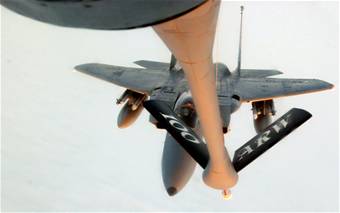
11/30/2006 - A KC-135 Stratotanker from the 100th Air Refueling Wing at Royal Air Force Mildenhall, England, prepares to offload more than 60,000 pounds in fuel to an F-15 from the 48th Fighter Wing at RAF Lakenheath, England. The F-15 joined other U.S. Air Forces in Europe aircraft from Aviano Air Base, Italy, and Spangdahlem AB, Germany, to provide security for the NATO Riga Summit that took place Nov. 28-29 in Latvia where the heads of state and government from the 26 NATO member countries met. Also providing support from USAFE were the 32nd Air Operations Center, the 1st Combat Communications Squadron, and the 616th Air and Space Communications Squadron from Ramstein AB, Germany. (U.S. Air Force photo/Airman 1st Class Teresa Pumphrey)
UK Aerial Refueling Frequencies
ARA 1 Anchor 264.125 264.925 352.100 6761.0
ARA 2 Anchor 264.125 264.925 352.100
ARA 3 Anchor 264.125 264.925 352.100
ARA 4 Anchor 264.125 264.925 352.100
ARA 5 Anchor 264.125 264.925 352.100
ARA 6 Anchor 264.125 264.925 352.100
ARA 7 Anchor 264.125 264.925 352.100 6761.0
ARA 8 Anchor 264.125 264.925 352.100
ARA 9 Anchor 264.125 264.925 352.100 (Only HC-130/HH-53)
ARA 10 Anchor East 264.125 264.925 352.100
ARA 10 Anchor West 264.125 264.925 352.100
ARA 11 Anchor 264.125 264.925 352.100 (KC-135/A-10)
ARA 12 Anchor 264.125 264.925 352.100 6761.0
ARA 13 264.125 264.925 352.100
ARA 14 264.125 264.925 352.100
Ramstein Aero Frequencies

The following frequencies are listed in the current DoD Ap-2 for Ramstein AB, Germany
121.775 Ground Control
124.275 ATIS
129.050 IFR Control
133.200 VFR Control
140.900 IFR Control
142.125 IFR Control
282.275 Radar Approach
284.325 ATIS
308.775 Ground Control
356.225 Radar Approach
360.550 IFR Control
363.800 Radar Approach
369.125 PTD
386.750 VFR Control
398.200 Radar Approach
399.475 Radar Approach
Polygone EWR Frequencies

For the folks in Germany:
Polygone Electronic Warfare Range (Callsign Commando)
Primary 277.275 MHz Secondary 279.925 MHz
Navy Names New Arleigh Burke- Class Guided-Missile Destroyer
WASHINGTON (NNS) -- The Department of the Navy has announced the naming of the Navy's newest Arleigh Burke class guided-missile destroyer, Wayne E. Meyer.
The name honors retired Rear Adm. Wayne E. Meyer, who managed the development of the Aegis AN/SPY-1 radar system. This system serves as the cornerstone of the Aegis combat system installed in Ticonderoga-class guided-missile cruisers and Arleigh Burke-class guided-missile destroyers.
Wayne E. Meyer was born in Brunswick, Mo., April 21, 1926. In 1946 he graduated from the University of Kansas with a bachelors in electrical engineering. He also holds a masters in astronautics and aeronautics from the Massachusetts Institute of Technology, and a bachelors in electrical engineering from the Naval Postgraduate School.
Meyer’s career began in 1943 as an apprentice seaman. In 1946 he was commissioned an ensign in the U.S. Naval Reserve and was transferred to regular Navy in 1948. After several years at sea, he returned to school in 1951 and attended the Joint Guided Missile School, Fort Bliss, Texas, and the Naval Line School, Monterey, Calif., and eventually served as an instructor at Special Weapons School, Norfolk, Va.
Meyer returned to sea as executive officer on USS Strickland (DE 333), followed by service on the staff of commander, Destroyer Force Atlantic. He was then ordered to USS Galveston (CLG 3).
In 1963, Secretary of the Navy Fred Korth chose Meyer to lead a special task force for surface guided missiles. Meyer turned down a destroyer command to continue his work with missile, radar, and fire control systems. His experience laid the groundwork for the success of a prototype Aegis radar weapons control system in 1974. He later became director of Surface Warfare at Naval Sea Systems Command where he guided the development of the Aegis system.
Meyer was promoted to rear admiral in January 1975 and assumed duties as the founding project manager, Aegis shipbuilding, in July 1975. In September 1983, he was reassigned as deputy commander, weapons and combat systems, Naval Sea Systems Command.
The future USS Wayne E. Meyer will use the same combat system that Meyer helped to develop, the Aegis combat system and the SPY-lD, multifunction phased array radar. This advance radar weapons control system, in conjunction with the vertical launching system, an advanced anti-submarine warfare system, anti-aircraft missiles and Tomahawk weapons capabilities continues the revolution at sea.
Additionally, the ship will be manned with a complement of highly trained Sailors providing the Navy with a dynamic multimission platform that can operate independently or as part of carrier strike groups, surface action groups, amphibious ready groups, and underway replenishment groups, ensuring USS Wayne E. Meyer will lead the Navy into the future.
The name honors retired Rear Adm. Wayne E. Meyer, who managed the development of the Aegis AN/SPY-1 radar system. This system serves as the cornerstone of the Aegis combat system installed in Ticonderoga-class guided-missile cruisers and Arleigh Burke-class guided-missile destroyers.
Wayne E. Meyer was born in Brunswick, Mo., April 21, 1926. In 1946 he graduated from the University of Kansas with a bachelors in electrical engineering. He also holds a masters in astronautics and aeronautics from the Massachusetts Institute of Technology, and a bachelors in electrical engineering from the Naval Postgraduate School.
Meyer’s career began in 1943 as an apprentice seaman. In 1946 he was commissioned an ensign in the U.S. Naval Reserve and was transferred to regular Navy in 1948. After several years at sea, he returned to school in 1951 and attended the Joint Guided Missile School, Fort Bliss, Texas, and the Naval Line School, Monterey, Calif., and eventually served as an instructor at Special Weapons School, Norfolk, Va.
Meyer returned to sea as executive officer on USS Strickland (DE 333), followed by service on the staff of commander, Destroyer Force Atlantic. He was then ordered to USS Galveston (CLG 3).
In 1963, Secretary of the Navy Fred Korth chose Meyer to lead a special task force for surface guided missiles. Meyer turned down a destroyer command to continue his work with missile, radar, and fire control systems. His experience laid the groundwork for the success of a prototype Aegis radar weapons control system in 1974. He later became director of Surface Warfare at Naval Sea Systems Command where he guided the development of the Aegis system.
Meyer was promoted to rear admiral in January 1975 and assumed duties as the founding project manager, Aegis shipbuilding, in July 1975. In September 1983, he was reassigned as deputy commander, weapons and combat systems, Naval Sea Systems Command.
The future USS Wayne E. Meyer will use the same combat system that Meyer helped to develop, the Aegis combat system and the SPY-lD, multifunction phased array radar. This advance radar weapons control system, in conjunction with the vertical launching system, an advanced anti-submarine warfare system, anti-aircraft missiles and Tomahawk weapons capabilities continues the revolution at sea.
Additionally, the ship will be manned with a complement of highly trained Sailors providing the Navy with a dynamic multimission platform that can operate independently or as part of carrier strike groups, surface action groups, amphibious ready groups, and underway replenishment groups, ensuring USS Wayne E. Meyer will lead the Navy into the future.
Subscribe to:
Posts (Atom)