Welcome to the Milcom Monitor Post sponsored by Teak Publishing (Copyright © 2006-2023 Teak Publishing). All rights are reserved. Redistribution of these pages in any format without prior permission is prohibited. Links to individual stories are permitted without permission. The comment section on this blog is closed, but you can pass along material or comments via email MilcomMP at gmail dot com. If you submit material for this blog and want to remain anonymous, indicate that in your message.
Milcom Monitoring Post Profiles
- Home
- What are Emergency Action Messages (EAM)? Updated 20 September 2021
- UFO Milsat Program
- Fleetsatcom System
- UHF 225-380 MHz Milcom Spectrum Holes: Updated 24 July 2019
- Civilian Air Cargo/Airline/Military Call Signs
- Intl HF Aero Civ/Gov/Mil Frequency List
- USN Aircraft Modex Numbers
- University of Twente Wide Band WebSDR Netherlands
- U.S. Military ALE Addresses
- DoD Air Refueling Frequencies - Update 15 Jul 2016
- COTHEN HF Network – Last Update 23 May 2023
- Monitoring the Civil Air Patrol Auxiliary Update 10 Sep 2016
- US Coast Guard Asset Guide - Update 24 May 2023
- The Spectrum Monitor e-Zine Milcom Column Index - Update 17 January 2022
- The Milcom MT Files (1998-2013) Articles Index
Showing posts with label callsigns. Show all posts
Monday, February 12, 2018
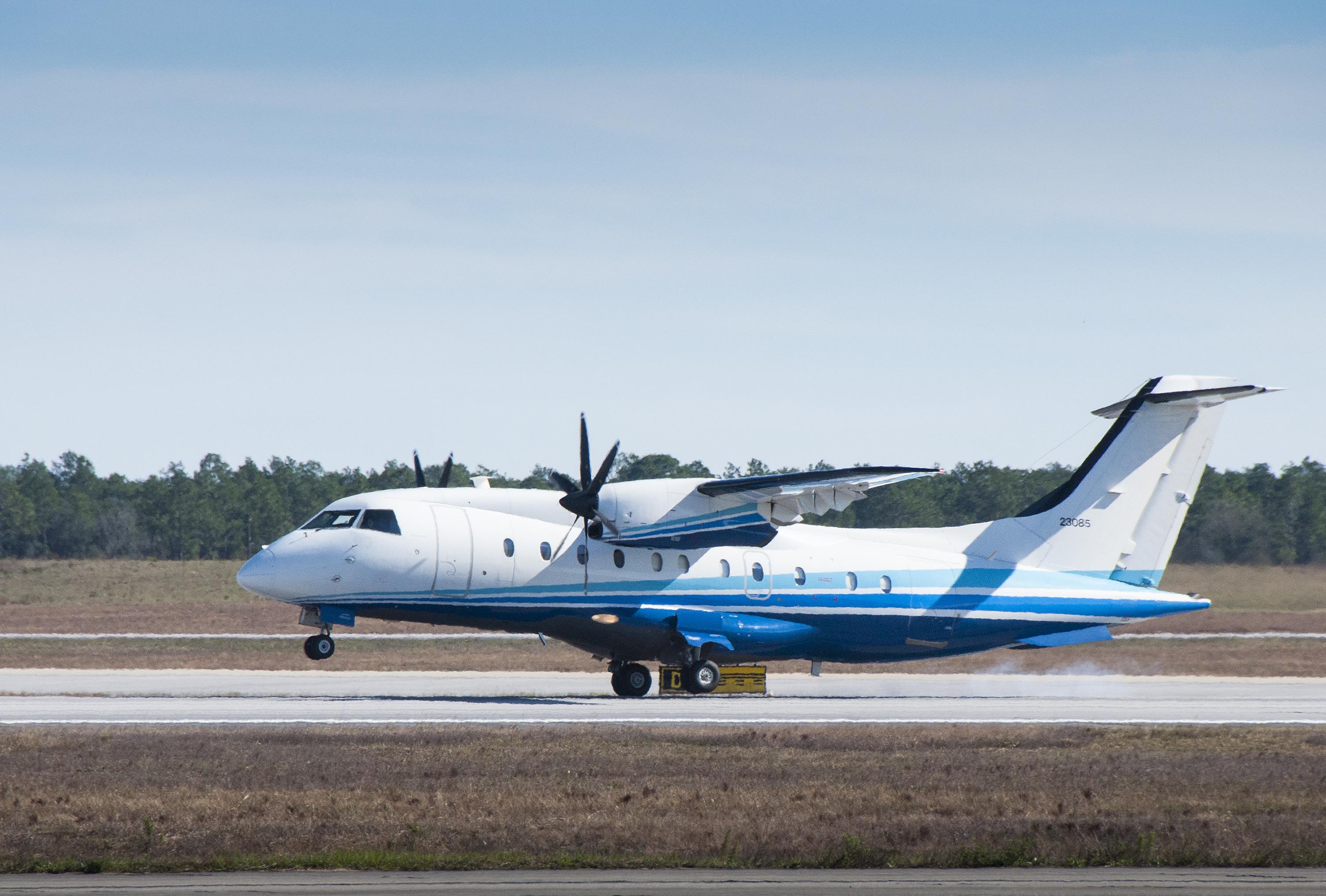
919SOW C-146 Call Signs
Couple of new AFSOC call signs, at least for me, confirmed.
C-146A Wolfhound aircraft have been moved to Duke Field in Florida under the 919SOW.
The active duty component 524SOS (aka Hounds of Heaven) are using the Hound ## call sign.
The reserve component 859SOS are using the Dingo ## call sign.
Details of the 524SOS move from Cannon AFB to Duke Field was published in an AF story at 524th SOS relocates from Cannon to Duke Field.
Details of the 859SOS standup at Duke Field was published in an AF story at 919th SOW welcomes new special operations squadron
Wednesday, June 01, 2016
Civil Air Patrol Call Signs are Changing
Recently on the Civil Air Patrol website Michael Marek posted the following:
Background
CAP uses radio frequencies assigned by the US Air Force. We also use tactical radio call signs assigned by the Air Force Voice Call Sign Program Management Office. Some 20 years ago, we went through a major reorganization to bring CAP into compliance. We were in compliance then, but changing requirements updated most recently by the Air Force in 2014 (AFI33-217) mean stricter limitations on call sign management.
Now that CAP is part of the Air Force Total Force, there is significant new interest in the CAP Communications Program from both 1st Air Force and AFNORTH. We have a growing expectation of new missions in which we will inter-operate with stations from other parts of the Total Force. In fact, we already seeing such Total Force stations check in to our National Traffic Net.
What needs to change?
Current Air Force rules limit numerical suffixes on tactical call signs to two digits. In addition, they may not include any reference to Civil Air Patrol (CAP), acronyms, any part of a wing or unit name, abbreviations, phonetic alphabet, or spoken numbers (not including the authorized suffixes). They must consist of no more than two English words with a minimum of four and a maximum of 15 characters, including the space.
Note that the Air Force does not use tactical call signs on VHF-FM at all, so we MAY still use tactical call signs with up to four-digits on VHF-FM and ISR frequencies.
How are we going to make these changes?
We have several wings that include “CAP” in their tactical call sign today. A couple of wings have already taken steps to change their tactical call sign to remove “CAP”, including Iowa CAP and CAP KittyHawk. DOK will be contacting those wings that need to change. These wings will be invited to submit several proposed compliant calls. The Voice Call Sign Program Management Office will start at the top of the list and work down until it finds an available tactical call sign.
The requirement to use no more than two-digit suffixes (emphasis is mine-LVH) on tactical call signs used on HF is going to require serious planning in most wings. There is no magic answer, but here are some suggestions and considerations:
Rumors have been floating around for weeks about changes in the way Civil Air Patrol uses tactical radio call signs. The publication of the new CAPR 100-1 this week makes it time to move ahead. But what does it all mean?
Background
CAP uses radio frequencies assigned by the US Air Force. We also use tactical radio call signs assigned by the Air Force Voice Call Sign Program Management Office. Some 20 years ago, we went through a major reorganization to bring CAP into compliance. We were in compliance then, but changing requirements updated most recently by the Air Force in 2014 (AFI33-217) mean stricter limitations on call sign management.
Now that CAP is part of the Air Force Total Force, there is significant new interest in the CAP Communications Program from both 1st Air Force and AFNORTH. We have a growing expectation of new missions in which we will inter-operate with stations from other parts of the Total Force. In fact, we already seeing such Total Force stations check in to our National Traffic Net.
What needs to change?
Current Air Force rules limit numerical suffixes on tactical call signs to two digits. In addition, they may not include any reference to Civil Air Patrol (CAP), acronyms, any part of a wing or unit name, abbreviations, phonetic alphabet, or spoken numbers (not including the authorized suffixes). They must consist of no more than two English words with a minimum of four and a maximum of 15 characters, including the space.
Note that the Air Force does not use tactical call signs on VHF-FM at all, so we MAY still use tactical call signs with up to four-digits on VHF-FM and ISR frequencies.
How are we going to make these changes?
We have several wings that include “CAP” in their tactical call sign today. A couple of wings have already taken steps to change their tactical call sign to remove “CAP”, including Iowa CAP and CAP KittyHawk. DOK will be contacting those wings that need to change. These wings will be invited to submit several proposed compliant calls. The Voice Call Sign Program Management Office will start at the top of the list and work down until it finds an available tactical call sign.
The requirement to use no more than two-digit suffixes (emphasis is mine-LVH) on tactical call signs used on HF is going to require serious planning in most wings. There is no magic answer, but here are some suggestions and considerations:
- We are well aware that the Air Force requirement for two-digit call signs on HF will disrupt many wing call sign plans which have blocks of call signs assigned to groups and squadrons. We will need new ways of managing our call signs.
- On HF, it is more important to know what station you are talking to than what member is holding the microphone. Therefore, we do NOT need to assign a two-digit tactical call sign to everyone who might ever need to use and HF radio. Our HF call signs need a lean focus.
- Most of our new generation of HF call signs will likely be assigned to stations, as opposed to individuals. We should plan to minimize the need for multiple call signs to be used on a single station/radio.
- An individual who has reason to have a two-digit tactical call for HF may still use it on VHF-FM channels. Similarly, at a given station, the two-digit station call can be used on HF, VHF-FM, and ISR. We discourage the idea of using different suffixes on different frequencies (but we know this may disrupt existing procedures that assign blocks of calls to units).
- Remember that a “squadron station” does not need to be located at the squadron headquarters. It could as easily be across town at the home of a member who can check into nets regularly, but also have VHF connectivity to the squadron location.
- Remember that in operational missions and ANY formal CAP activity, functional designators may be used instead of tactical call signs. This means that some locations, special Comm vehicles, Comm trailers, etc. may not need tactical call signs at all.
- The two-digit suffix rule also applies to ground-to-air and satellite use of CAP tactical call signs.
- If a large wing absolutely cannot make HF work with only two digits, there is a possibility of a second tactical call for the wing. In order for this to be approved, the wing will have to document persuasively why it cannot function with only one call sign.
- There is no magic formula for solving this compliance issue that will work for all wings, but wings should think mainly in terms of HF stations and not people.
1. First look at locations that need HF stations.
2. Then evaluate other stations that you expect to be on HF regularly, such as your message center stations and your regular wing net stations.
3. We suggest that only after you have analyzed these station requirements should you consider any individual people who need one or two digit calls so they can be on HF.
Sounds like it could be a big transition for CAP!
Yes, there may be challenges, but remember – full compliance with Air Force the requirement opens the door for new and important high-end missions for the CAP Communications Program.
Contact DOKO or DOKP for help working through these transitions.
Yes, there may be challenges, but remember – full compliance with Air Force the requirement opens the door for new and important high-end missions for the CAP Communications Program.
Contact DOKO or DOKP for help working through these transitions.
--------------
We have already documented several changes so the conversion is underway and more changes are definitely forth coming. If you hear any changes, have any additions, corrections or updates, they are always appreciated and you can send them to our email address above in the masthead.
Our page here on the Milcom MP for changes is http://mt-milcom.blogspot.com/p/monitoring-us-air-force-civil-air_657.html
Monday, September 22, 2014
Heads up West Coast - the MAFFS 130s from Charlotte heading your way
From the NORAD/USNORTHCOM twitter feed:
"Two C-130s with MAFFS system from 145th Airlift Wing/North Carolina Air National Guard are being activated to assist with California wildfires."
For our west coast readers watch for the 145AW call signs Epic ## and MAFF ##. In addition to the regular west area fire cache freqs, two possible 145AW frequencies to watch for include 289.2000 and 292.2500 MHz.
If you aren't already, you can follow our military hobby comm twitter feed for additional freq and call information @MilcomMP.
Thursday, September 18, 2014
NAS Jacksonville P-3 and P-8 Callsigns/Frequencies
Our good friend Mac McCormick III has posted an excellent online reference for those of us who like to monitor the fixed wing ASW assets based at NAS Jacksonville. Check out his blog post at http://kf4lmt.wordpress.com/2013/12/09/nas-jacksonville-p-3-and-p-8-callsigns/. Thanks Mac that is good stuff and keep us informed of changes down your way.
Labels:
callsigns,
frequencies,
NAS Jacksonville,
P-3C Orion,
P-8A Poseidon,
US Navy
Monday, August 19, 2013
The Reach 802 Callsign Mystery
Some of these aircraft are occasionally using the Reach 802 followed by a single letter. Given that more than one serial has used the same call sign and I have seen the same call sign used more than once, this would seem to indicate these calls are assigned to a particular mission or route (my best guess).
One thing I have thought about is some sort of repeated shuttle mission to various bases on a regular basis by the C-17s of the 437AW. Each letter would represent a route or mission to a particular base on a regular basis. This style of call sign reminds me of that sort of flights with a similar call sign set that the 437AW use to fly several years ago.
So if any of my readers has an answer to the Reach 802 mystery calls please email at the address in the header.
Reach 0802A 97-0041 AE07F3
Reach 0802B 03-3122 AE1233
Reach 0802B 95-0104 AE07E7
Reach 0802C 01-0189 AE10B8
Reach 0802C 10-0213 AE4D66
Reach 0802C 95-0104 AE07E7
Reach 0802C 04-4129 AE1239
Reach 0802D 07-7184 AE20C5
Reach 0802D 09-9207 AE49C3
Reach 0802E 02-1099 AE1171
Reach 0802E 02-1101 AE1173
Reach 0802E 03-3124 AE1235
Reach 0802E 07-7184 AE20C5
Reach 0802E 89-1192 AE07D0
Reach 0802F 01-0189 AE10B8
Reach 0802F 94-0069 AE07E3
Reach 0802F 95-0107 AE07EA
Reach 0802G 07-7181 AE20C2
Reach 0802H 01-0189 AE10B8
Reach 0802H 08-8189 AE10B8
Reach 0802H 10-0222 AE4F16
Reach 0802K 03-3124 AE1235
Reach 0802K 96-0002 AE07EC
Reach 0802L 95-0107 AE07EA
Reach 0802M 01-0189 AE10B8
Reach 0802M 96-0002 AE07EC
Reach 0802N 09-9208 AE49C4
Reach 0802N 98-0054 AE0800
Reach 0802P 89-1192 AE07D0
Reach 0802Q 09-9206 AE49C2
Reach 0802S 09-9206 AE49C2
Reach 0802T 88-0266 AE07CC
Reach 0802T 89-1189 AE07CD
Reach 0802T 98-0054 AE0800
Reach 0802U 96-0002 AE07EC
Reach 0802V 92-3293 AE07D7
Reach 0802W 88-0266 AE07CC
Labels:
437AW,
C-17 Aircraft,
callsigns,
Charleston AFB SC,
Reach,
US Air Force
Tuesday, July 26, 2011
Air Mobility Rodeo 2011 kicks off

Blog Editor Note: For my NW US readers be sure to have a scanner tuned to 349.400 MHz and monitor the McChord Field (KTCM) AMC Command Post frequency for activity.
Other aero frequencies to watch from Joint Base Lewis McChord:
106.100 ATIS (VHF)
118.175 Ground Control
124.800 Tower
126.500 A/D
134.100 AMC Commercial Contract Aircraft only
225.525 A/A Interplane
239.000 A/D
259.300 Tower
270.100 ATIS (UHF)
279.650 Ground Control
290.900 Ground Control
311.000 AMC Command Post
340.300 AFSOC Training
341.800 AMC Training
342.300 PMSV Metro
372.200 PTD
377.150 A/D (replaced 391.900 MHz)
379.400 AMC Training
I should also note that 264.900 was used at the 2007 rodeo at McChord for air drops and training.
Here is a list of players seen on Mode-S so far enroute or around McChord using the Rodeo c/s:
AE2FA9 08-8197 RODEO90 C-17A United States USAF 62AW
AE0810 99-0170 RODEO61 C-17A United States USAF 3WG|517AS
AE023C 63-8888 RODEO60 KC-135R United States USAF 6AMW|91ARS
AE07C1 63-8017 RODEO59 KC-135R United States USAF 97AMW|55ARS
AE0427 61-0290 RODEO58 KC-135R United States HI ANG 154Wing|203ARS
AE015D 63-8879 RODEO56 KC-135R United States USAF 92ARW
AE0584 87-0039 RODEO55 C-5B United States AFRC 439AW|337AS
AE2FAC 08-8200 RODEO54 C-17A United States USAF 305AMW|6AS
AE0559 83-1285 RODEO53 C-5M United States USAF 436AW|9AS
AE1456 05-5152 RODEO52 C-17A United States USAF 15WG|535AS
AE05DF 87-9282 RODEO51 C-130H United States AFRC 440AW|95AS
AE0236 87-0124 RODEO50 KC-10A United States USAF 305AMW
AE0801 98-0055 RODEO49 C-17A United States USAF 97AMW
AE1BED 06-8611 RODEO48 C-130J-30 United States USAFE 86AW|37AS
AE048C 63-8883 RODEO46 KC-135R United States USAF 97AMW|55ARS
ADFDED 94-6708 RODEO43 C-130H United States WV ANG 130AW|130AS
AE01B7 84-0081 RODEO41 C-21A United States USAFE 86AW|76AS
AE49C5 09-9209 RODEO40 C-17A United States USAF 62AW
AE2FA4 08-8192 RODEO37 C-17A United States USAF 62AW
AE0169 86-0204 RODEO35 C-20B United States USAF 89AW|99AS
AE146C 07-7174 RODEO34 C-17A United States USAF 436AW|3AS
AE1BF2 07-4639 RODEO33 C-130J-30 United States USAF 19AW
AE04E8 60-0356 RODEO31 KC-135R United States USAF 22ARW
AE29DE 08-3174 RODEO27 C-130J United States USAF 317AG
AE49C2 09-9206 RODEO25 C-17A United States USAF 437AW
AE0368 63-8013 RODEO22 KC-135R United States OH ANG 121ARW
ADFDEC 94-6707 RODEO21 C-130H United States WV ANG 130AW|130AS
AE145C 06-6158 RODEO19 C-17A United States USAF 60AMW|21AS
480C04 G-275 RODEO17 C-130H-30 Netherlands 336sqn
343083 T.10-03 RODEO12 C-130 Spain Air Force ALA35
761054 4180 RODEO10 C-130 Pakistan Air Force
by Staff Sgt. J.G. Buzanowski, Air Mobility Rodeo 2011 Public Affairs
JOINT BASE LEWIS-MCCHORD, Wash., (AFNS) -- Air Mobility Rodeo 2011 kicked off here July 24.
Airmen from around the world, including seven international teams, are participating in the biennial competition that focuses on mission readiness, featuring airdrops, aerial refueling and other events that showcase the skills of mobility crews.
This year's event promises to be the largest rodeo ever, said Col. R. Wyn Elder, the commander of the 62nd Air Mobility Wing, the host unit for the event.
In addition, teams from 20 nations have traveled here to observe the various challenges with the hopes of competing in the future.
During the opening ceremonies, the commander of Air Mobility Command, Gen. Raymond E. Johns Jr., inspected the units standing in formation participating in Rodeo 2011.
With him was Brig. Gen. Rick Martin, the Rodeo 2011 commander, who welcomed the teams.
"There is no greater assembly of mobility professionals," Martin said. "Let's celebrate camaraderie ... and let's do it all safely."
Riders on horseback presented the flags of each international team. As representatives of the host nation, parachutists from the 627th Special Tactics Squadron jumped from the back of a C-17 Globemaster III, displaying the American and POW/MIA flags.
This year marks the first time the event is being held since the advent of joint basing, as noted by the 62nd AMW commander, Col. R. Wyn Elder.
Elder thanked the garrison commander, Army Col. Thomas H. Brittain, for his support in putting on Rodeo 2011.
Brittain has overseen Joint Base Lewis-McChord since the two installations merged, and Elder called him, "Without question, the finest Airman in the United States Army."
"We want you all to focus on the competition at hand," Elder said to the crowd. "We're excited to open the doors to Joint Base Lewis-McChord to you and I look forward to the best rodeo competition ever.
"Let camaraderie define victory," the colonel added.
That spirit of competition has been a tradition of rodeos in the past.
For Adjutant Joris Retty, a C-130 Hercules loadmaster from the Belgium air force, this year marks his third rodeo. He was previously here in 2005 and 2009.
When one of his teammates fell ill, he said he jumped at the chance to come back and help coach the rest of his team.
"Nothing motivates me more than the spirit of competition," Retty said. "It's great to meet people from other nations and socialize. I actually went to loadmaster school at Little Rock Air Force Base in Arkansas, so it's nice to be back in America. I can't wait to get started."
The competition culminates at the end of the week with the crowning of the rodeo champion. The 62nd AMW from McChord won the last rodeo in 2009.
Wednesday, March 23, 2011
Alabama Wing Voice Callsign
While prowling around the net this morning I came across this list of Civil Air Patrol Alabama Wing callsigns.
Goldenrod 1 Alabama Wing Commander
Goldenrod 2 Alabama Wing Vice Commander
Goldenrod 3 Alabama Wing Chief Of Staff
Goldenrod 4 Alabama Wing Director of Communications
Goldenrod 5 Alabama Wing Chaplain
Goldenrod 6 Alabama Wing Safety Officer
Goldenrod 7 Alabama Wing Cadet Programs Officer
Goldenrod 8 Alabama Wing Administrator
Goldenrod 9 Alabama Wing Medical Officer
Goldenrod 10 Alabama Wing Director of Operations
Goldenrod 11 Alabama Wing Communications Engineer
Goldenrod 12 Alabama Wing Standards and Evaluation Officer
Goldenrod 13 Alabama Wing Legal Officer
Goldenrod 14 Alabama Wing Maintenance Officer
Goldenrod 15 Alabama Wing Emergency Services Officer
Goldenrod 16 Alabama Wing Search and Rescue Officer
Goldenrod 17 Alabama Wing Alerting Officer
Goldenrod 18 Alabama Wing Public Affairs Officer
Goldenrod 19 Alabama Wing Director of Aerospace Education
Goldenrod 20 Alabama Wing Homeland Security Officer
Tactical call signs
Goldenrod 100-199 North Zone assets
Goldenrod 200-299 Central Zone assets
Goldenrod 300-399 South Zone assets
Goldenrod 400-400 Reserved
Goldenrod 500-599 Fixed / portable repeater / relay stations
Goldenrod 600-699 Subordinate Unit Headquarters
Goldenrod 700-799 Ground Vehicle assets
Goldenrod 800-899 Reserved
Goldenrod 900-999 ALE Capable HF/SSB
In the event the Wing is divided into groups, a fourth leading digit will be used to identifythe group.
Alabama Wing aircraft will use a 3 digit call in the format of CAP 1xx, with the last two digits determined by the aircraft tail number or assigned number in case of conflict. When deployed on actual search missions the call sign RESCUE CAP 1xx may be
utilized.
Automatic Link Establishing radios will be issued call signs in accordance to the national digital call sign format. The form will be 09XXALCAP.
Friday, December 31, 2010
Kentucky CAP Callsigns
For those who monitor the CAP, here is a breakdown of the callsigns used by the Kentucky Wing of the Civil Air Patrol.
The basic wing callsign is Kentucky CAP ####.
The callsigns are assigned in blocks of one-hundred call signs to each squadron.
Squadron - Callsign - Range
001 - Wing HQ 0 – 99
007 - London Composite 100 – 199
011 - Paducah Composite 200 – 299
039 - Louisville Composite 300 – 399
050 - Boone County Composite 400 – 499
057 - Bowling Green Composite 500 – 599
058 - Centenary Composite 600 – 699
063 - Frankfort Composite 700 – 799
073 - Campbell County Composite 800 – 899
077 - Golden Armor Composite 900 – 999
082 - Jim Brewer Composite 1000 – 1099
122 - Danville Senior 1100 – 1199
123 - KYANG Composite 1200 – 1299
131 - Bardstown Composite 1300 – 1399
214 - Bowman Senior 1400 – 1499
216 - Fort Campbell Composite 1500 – 1599
217 - Western KY Composite 1600 – 1699
218 - Fulton County Composite 1700 – 1799
Each squadron has reserved call signs in their block corresponding to the wing command structure and call signs. For Example “KY CAP 4” is the Wing Director of Communications. In the Fulton County Composite “KY CAP 1704” is assigned to the Squadron Communications Officer. The callsigns 0, 100, 200, 300, etc are assigned to the Wing and Squadron respectively for use with assigned equipment.
If you follow the CAP HF ALE side of things the ALE address 0148KYCAP is located in Lexington, Kentucky.
Tuesday, October 13, 2009
The CAPFLIGHT callsign is no more

From the above the capitol... blog:
Posted by Maj Paul Cianciolo on 11 October 2009 filed in Aircraft Operations, Emergency Services, Radio Communications
"The International Civil Aviation Organization (ICAO) and the FAA have changed Civil Air Patrol’s aircraft callsign to “CAP” instead of “CPF or CAP Flight.” The new callsign should be used in air/ground communications and when filing flight plans. All Civil Air Patrol personnel should discontinue the use of “CAP Flight” immediately and use “CAP” only.
"The pronunciation of the new “CAP” callsign is exactly how it sounds — as in “baseball cap.” It should be used along with the appropriate wing aircraft number, i.e., “CAP 2561.” This new callsign should also be included in the remarks section of all FAA flight plans."
So aircraft in Civil Air Patrol effective immediately will no longer use "CAPFLIGHT" as a callsign. Instead they will use CAP (pronounced as in baseball cap) followed by a number. This is per a policy letter from CAP National Headquarters dated 11 October 2009.
You can read the CAP NHQ letter at
http://www.ohwg.cap.gov/CAP%20Call%20Sign%20Ltr.pdf
Monday, October 12, 2009
Japanese Self Defense Force (自衛隊) HF Net
I had an email query from a HF Milcom monitor over the weekend asking me about the Japanese language comms on 6727.0 kHz USB. They believed it might be military in nature.
That is a very good catch and it is a Japanese military net. In fact, this net has been around 1973. It is a frequency used by the Japanese Self Defense Force (自衛隊, Jieitai), Air Traffic Control Squadron 1. This unit is located at the Ayase City, Kanagawa Prefecture and controls SDF and MSDF aircraft offshore of the islands to Hawaii and south to the equator. Shore station operators are primary YL (female) ops and use the callsign "Atsugioshanikku." Primary traffic is weather information and position reporting. And now you know the rest of the story.
While I am on the subject of the Japanese Self Defense Forces, I have been doing some extra searching around and here are some JSDF Air Defense group callsigns that I have dug up. I could use so help filling in the holes in the list below and the frequencies used by these units so feel free to contact me at the email address in the masthead.
Northern Air Defense Control Group
HEAD WORK Northern Air Defense Control Group - Misawa, Aomori Prefecture, DC 北部防空管制群 (青森県三沢DC)
KEY HOLE 18 Warning Group - Wakkanai, Hokkaido SS 第18警戒群(北海道稚内SS)
DIVER 26 Warning Group - Nemuro, Hokkaido SS 第26警戒群(北海道根室SS)
HARNESS 28 Warning Group - Abashiri, Hokkaido SS 第28警戒群(北海道網走SS)
LAMINATE 29 Warning Group - Okushiri Hokkaido SS 第29警戒群(北海道奥尻SS)
NAME PLATE 33 Warning Group - Akita Prefectural Kamo SS 第33警戒群(秋田県加茂SS)
BACK GROUND 36 Warning Group - Erimo Hokkaido SS 第36警戒群(北海道えりもSS)
ZIP GUN 37 Warning Group - Yamada, Iwate 第37警戒群(岩手県山田SS)
JACK KNIFE 42 Warning Group - Ominato Aomori 第42警戒群(青森県大湊SS)
QUICK SAND 45 Warning Group - Toubetsu Hokkaido 第45警戒群(北海道当別SS)
Central Air Defense Control Group
OFF SIDE Central Air Defense Control Group - Iruma, Saitama, DC 中部防空管制群(埼玉県入間DC)
TEA BAG 1 Group (Vigilance) (MIE笠取山SS ) 第1警戒群(三重県笠取山SS)
GOOD MAN 5 Warning Group - Kushimoto, Wakayama Prefecture 第5警戒群(和歌山県串本SS)
YARD ARM 22 Warning - Omaezaki, Shizuoka 第22警戒群(静岡県御前崎SS)
MASCOT 23 Warning Group - Wajima, Ishikawa SS 第23警戒群(石川県輪島SS)
CATS EYE 27 Warning - 大滝根山Fukushima 第27警戒群(福島県大滝根山SS)
EAST WOOD 35 Warning - via Kensington Kyoto Qi SS 第35警戒群(京都府経ケ崎SS)
FREE STONE 44 Warning - Okayama Mine棄県1000 SS 第44警戒群(千棄県峯岡山SS)
ABLE GATE 46 Warning - Sado new渇県SS 第46警戒群(新渇県佐渡SS)
Western Air Defense Control Group
DIALECT Western Air Defense Control Group (Kasuga, Fukuoka Prefecture, DC) 西部防空管制群(福岡県春日DC)
PIPE ORGAN 7 Group (Caution) - Shimane Prefecture Mt SS 第7警戒群(島根県高尾山SS)
I-BEAM 9 Group (Guard) - Island, Kagoshima Shimokoshiki SS 第9警戒群(鹿児島下甑島SS)
SHORT STOP 13 Warning Group - Hatakeyama Takashi Miyazaki 第13警戒群(宮崎県高畑山SS)
UNIPED 15 Warning Group - Fukue Island, Nagasaki Prefecture, SS 第15警戒群(長崎県福江島SS)
VENTURE 17 Warning Group - Mishima, Yamaguchi Prefecture 第17警戒群(山口県見島SS)
RACKET 19 Warning Group - Awashima Sea Nagasaki 第19警戒群(長崎県海粟島SS)
WATCH MAN Warning Group - Mountain Sefuri Saga SS 第43警戒群(佐賀県背振山SS)
Southwest Air Defense Control Group
ROAD RICK Southwest Air Defense Control Group - Naha, Okinawa DC 南西防空管制群(沖縄県那覇DC)
PYRAMID FURUSHIMA 53 Warning Group - Okinawa Prefecture Government SS )第53警戒群(沖縄県官古島SS
HARRIER 54 Warning Group - Island in Okinawa SS 第54警戒群(沖縄県久米島SS)
READ MIT 55 Warning Group - Okinoerabu Island, Okinawa Prefecture, SS 第55警戒群(沖縄県沖永良部島SS
ZEPPELIN 56 Warning Group - Mt Yoza Okinawa 第56警戒群(沖縄県与座岳SS)
Wednesday, July 15, 2009
Space Shuttle Launch Attempt Logs

Here is what was monitored on Monday during the last launch attempt of STS-127. They are gassing up again this morning and another launch attempt will occur this evening with a liftoff set for 6:03:10 p.p. EDT.
Frequencies monitored:
46.6500 CCAFS (JTF AIR, JOLLY)
118.6250 / 239.0500 CCAFS - Skid Strip Tower
121.5000 / 243.0000 Guard (CAPE TOWER with CG 2128 / airspace violation calls)
121.7500 KSC - NASA Ground
123.1000 Coast Guard Air (RELAY 1 - CLEARANCE 1 air-air)
126.6500 KSC - Weather
128.5500 / 284.0000 KSC - NASA Tower
133.4750 Miami Center - Melbourne (passed by CAPE CONTROL as contact for HURRICANE)
133.7500 Patrick AFB - Tower
133.8000 / 264.8000 CCAFS - Cape Control
134.0500 Orlando App (passed by CAPE CONTROL)
138.4500 am / 349.6000 CCAFS - DoD CAPE (JTF AIR; VARIETY)
141.3000 am / 294.6000 CCAFS - VARIETY 1 (VARIETY; CAPE LEADER)
156.8000 Coast Guard Ch-16
157.0500 Coast Guard Ch-21A DOLPHIN air-air
157.0750 Coast Guard Ch-81A Range Control
157.1500 Coast Guard Ch-23A Station Port Canaveral
157.1750 Coast Guard Aux Ch-83 Bairs Cove
165.3125 Coast Guard CG-121 (P25) Station Port Canaveral
235.4000 NASA air-air
255.5000 Patrick AFB 920th RQW RESCUE OPS (JOLLY air-air)
260.9000 HUNTRESS
269.3000 Miami Center - Melbourne
282.8000 CCAFS (JTF AIR)
311.0000 Patrick AFB 920th RQW (KING-JOLLY AR boom)
321.0000 Patrick AFB 920th RQW KING OPS
343.7000 Miami Center - Melbourne
360.1500 Langley AFB 1st FW HARASS air-air
411.4500 KSC - Direct 7
Callsigns:
CAPE CONTROL - CCAFS MRU (ground unit)
CAPE LEADER (ground unit)
CLEARANCE 1 (CG 2128)
COAST GUARD 2128 (HU-25D, CGAS Miami)
COAST GUARD 6565 (MH-65C, CGAS Savannah; is one of the DOLPHIN helos)
DOLPHIN 1-2 (MH-65C)
FORWARD OBSERVER AIR
GASMAN 02 (KC-135R, 106th ARS)
HARASS 33-34 (F-15C, 71st FS)
HARASS 35-36 (F-15C, 71st FS)
HOUSTON VOICE (ground unit)
JTF AIR (ground unit; mentions of Satcom problems; monitoring BFT's, Blue Force Trackers)
JOLLY 1 (HH-60G, tail 233)
JOLLY 2 (HH-60G, tail 358)
JOLLY 3 (HH-60G, tail 231)
JOLLY 4 (HH-60G, tail 232)
KING 1
KING 2
KING 3 (KC-130J, BH 6472)
NASA 912 (T-38N)
NASA 923 (T-38N)
NASA 945 (G-2; weather flight)
NASA 955 (T-38N; weather flight)
PARRISH 1 (ground unit)
RELAY 1 (Cherokee, N615FT)
SEARCH 1 (UH-1H, N416NA)
SEARCH 2 (UH-1H, N419NA)
SEARCH 3 (UH-1H) (passed N418NA yesterday)
TEFLON 08 (KC-135R, 108th ARS)
TEFLON 09 (KC-135T, 171st ARW)
VARIETY 1 (ground unit)
WARSHIP 28 (mentioned by JOLLY 3)
WEATHER COORDINATOR (ground unit)
CAP Points:
APOLLO CAP
ATLAS CAP (AR track)
POLARIS CAP (alternate AR track)
Tuesday, May 05, 2009
Civil Air Patrol Monitoring News and New Callsign List

First, some news on the transition of Civil Air Plan (CAP) VHF comms to the Congressional mandated narrowband system.
I have a report that the New Hampshire CAP converted one of their repeaters on 25 April 2009 to their new narrowband bandplan. New Hampshire has two other repeaters (one physically located across the border in Vermont), which will apparently remain on the old frequency assignments for now.
In neighboring Massachusetts, the new repeaters have been delivered to the state CAP headquarters, and they will be phased in over the next few months. Each repeater is either wideband on a wideband frequency, or narrowband on a narrowband frequency. Hence, the change doesn't happen until they get some radio installers up to physically install a new repeater and tune everything up, so it happens on a case-by-case basis.
There are serious problems with the CAP radio transition and the border frequency coordination issues with Canada. In one state, they may go completely off the air later this year. So the Canadian frequency coordination saga. As I have stated before on this blog and in the pages of the Monitoring Times magazine, this is just another example of putting the cart before the horse. All of this was started by the Congress (surprise, surprise), who mandated this mess in the first place and forced several government agencies into unforeseen issues in trying to meet the mandate.
It would appear that the new deadline for the changeover to the new narrowband plan is 30 Sep 2009, at least this is the latest as they continue to fly by for those of us who are keeping track. Good luck if you have comm assets within 75 miles of the Canadian border. Unless this gets resolved, your screwed.
To recap the new narrowband bandplan per an official source, CAP will have six direct or simplex frequencies, and three repeater pairs. I have covered these frequencies in my yearly annual airshow features in the March issue of Monitoring Times.
Now on the callsign front here is the latest list of CAP callsigns. Thanks to several anonymous contributors for their assistance in updating this list. I have a complete list of CAP callsigns and more in our new Teak Publishing eBook. the International Callsign Handbook v2.
Civil Air Patrol "Air Force Voice Call Signs" (AFVCS)
Late Breaking News
Look for CAP aircraft callsign to be changed by the FAA from "CAPFLIGHT" to strictly just "CAP" (followed by the 3 or 4 digit number). Apparently, that callsign CAP was being used by a now defunct regional carrier.
Abenaki - New Hampshire Wing Tactical Call Sign
Aspen Gold - Rocky Mountain Region Tactical Call Sign
Avenging Spirit - National Headquarters Special Use Tactical Call Sign
Beaver Fox - Oregon Wing Tactical Call Sign
Black Granite - Montana Wing Tactical Call Sign
Blue Lakes - Great Lakes Region Tactical Call Sign (have also seen Great Lakes CAP listed on some official list)
Blue Mesa - Colorado Wing Tactical Call Sign
Blue Mound - Wisconsin Wing Tactical Call Sign
CAP Kitty Hawk - North Carolina Wing Radio Tactical Call Sign
CAP Stone - Northeast Region Tactical Call Sign
CAP West - Southwest Region Tactical Call Sign
Charter Oak - Connecticut Wing Tactical Call Sign
Diamond Flight - Delaware Wing Radio Tactical Call Sign
Down East - Maine Wing Tactical Call Sign
Firebrand - Hawaii Wing Tactical Call Sign
Florida CAP - Florida Wing Tactical Call Sign
Free State - Maryland Wing Radio Tactical Call Sign
Georgia CAP - Georgia Wing Tactical Call Sign
Goldenrod - Alabama Wing Tactical Call Sign (have also seen Alabama CAP listed on some official list)
Grasslands - South Dakota Wing Tactical Call Sign
HeadCAP - National Headquarters Tactical Call Sign
High Plains - Wyoming Wing Tactical Call Sign
Hill CAP - West Virginia Wing Radio Tactical Call Sign
Hill Thunder - Congressional Squadron Tactical Call Sign
Iowa CAP - Iowa Wing Tactical Call Sign
Jefferson - Virginia Wing Radio Tactical Call Sign
Kentucky CAP - Kentucky Wing Tactical Call Sign
Louisiana CAP - Louisiana Wing Tactical Call Sign (ex-Cajun CAP)
Middle East - Middle East Region Radio Tactical Call Sign
Mockingbird - Mississippi Wing Tactical Call Sign (have also seen Mississippi CAP listed on some official list)
Mow CAP - Missouri Wing Tactical Call Sign, ex-Missouri CAP
Narragansett - Rhode Island Wing Tactical Call Sign
NatCap - National Capital Wing Radio Tactical Call Sign
North Central - North Central Region Tactical Call Sign
Ohio CAP - Ohio Wing Tactical Call Sign, ex-Red Thunder
Oil Well - Oklahoma Wing Tactical Call Sign
Patriot - Massachusetts Wing Tactical Call Sign
Peace Garden - North Dakota Wing Tactical Call Sign
Penn CAP - Pennsylvania Wing Tactical Call Sign
Puerto Rico CAP - Puerto Rico Wing Tactical Call Sign
Red Cloud - Nebraska Wing Tactical Call Sign
Red Dragon - New Jersey Wing Tactical Call Sign
Red Fire - Indiana Wing Tactical Call Sign
Red Fox - Illinois Wing Tactical Call Sign
Red Robin - Michigan Wing Tactical Call Sign
Red Rock - Arizona Wing Tactical Call Sign
Sandlapper - South Carolina Wing Radio Tactical Call Sign
Ship Rock - New Mexico Wing Tactical Call Sign
Silver State - Nevada Wing Tactical Call Sign
Sourdough - Alaska Wing Tactical Call Sign
Southeast CAP - Southeast Region Tactical Call Sign
Star Garnet - Idaho Wing Tactical Call Sign
Starfish - Minnesota Wing Tactical Call Sign
Tennessee CAP - Tennessee Wing Tactical Call Sign
Texas CAP - Texas Wing Tactical Call Sign
Uncle Mike - Utah Wing Tactical Call Sign
Vermont CAP - Vermont Wing Tactical Call Sign
Washington CAP - Washington Wing Tactical Call Sign
Western - Pacific Region Tactical Call Sign
White Peak - New York Wing Tactical Call Sign
Wild Wood - Arkansas Wing Tactical Call Sign
Yellow Brick - Kansas Wing Tactical Call Sign
Yosemite - California Wing Tactical Call Sign
If you have some updates, I would like to hear from you. Anonymous contributors are welcomed.
Jefe
Wednesday, March 18, 2009
Memphis ANG Makes a CP Callsign Change
Looks like the 164AW/155AS Command Post at the Memphis International Airport has changed its callsign from Elvis Ops to Graceland Ops. Two frequencies for that Command Post are 138.950 and 341.750 MHz.
Thursday, May 31, 2007
CAP Ground Callsigns
Found a little pdf file online at the CAP website called CAP Speak dated March 2007. They had not only a list of terms, but some of their callsigns as well. Unfortunately, it wasn't completely current so I have added corrections in bold.
Abenaki - New Hampshire Wing Tactical Call Sign
Aspen Gold - Rocky Mountain Region Tactical Call Sign
Avenging Spirit - National Headquarters Special Use Tactical Call Sign
Beaver Fox - Oregon Wing Tactical Call Sign
Black Granite - Montana Wing Tactical Call Sign
**Blue Lakes - Great Lakes Region Tactical Call Sign [CAP Great Lakes]
Blue Mesa - Colorado Wing Tactical Call Sign
Blue Mound - Wisconsin Wing Tactical Call Sign
Cajun CAP - Louisiana Wing Tactical Call Sign
CAP Kitty Hawk - North Carolina Wing Radio Tactical Call Sign
CAP Stone - Northeast Region Tactical Call Sign
CAP West - Southwest Region Tactical Call Sign
Charter Oak - Connecticut Wing Tactical Call Sign
Diamond Flight - Delaware Wing Radio Tactical Call Sign
Down East - Maine Wing Tactical Call Sign
Firebrand - Hawaii Wing Tactical Call Sign
Florida CAP - Florida Wing Tactical Call Sign
Free State - Maryland Wing Radio Tactical Call Sign
Georgia CAP - Georgia Wing Tactical Call Sign
**Goldenrod - Alabama Wing Tactical Call Sign [Alabama CAP]
Grasslands - South Dakota Wing Tactical Call Sign
HeadCAP - National Headquarters Tactical Call Sign
High Plains - Wyoming Wing Tactical Call Sign
Hill CAP - West Virginia Wing Radio Tactical Call Sign
Hill Thunder - Congressional Squadron Tactical Call Sign
Iowa CAP - Iowa Wing Tactical Call Sign
Jefferson - Virginia Wing Radio Tactical Call Sign
Kentucky CAP - Kentucky Wing Tactical Call Sign
Middle East - Middle East Region Radio Tactical Call Sign
Missouri CAP - Missouri Wing Tactical Call Sign
**Mockingbird - Mississippi Wing Tactical Call Sign [Mississippi CAP]
Narragansett - Rhode Island Wing Tactical Call Sign
NatCap - National Capital Wing Radio Tactical Call Sign
North Central - North Central Region Tactical Call Sign
Oil Well - Oklahoma Wing Tactical Call Sign
Patriot - Massachusetts Wing Tactical Call Sign
Peace Garden - North Dakota Wing Tactical Call Sign
Penn CAP - Pennsylvania Wing Tactical Call Sign
Puerto Rico CAP - Puerto Rico Wing Tactical Call Sign
Red Cloud - Nebraska Wing Tactical Call Sign
Red Dragon - New Jersey Wing Tactical Call Sign
Red Fire - Indiana Wing Tactical Call Sign
Red Fox - Illinois Wing Tactical Call Sign
Red Robin - Michigan Wing Tactical Call Sign
Red Rock - Arizona Wing Tactical Call Sign
Red Thunder - Ohio Wing Tactical Call Sign
Sandlapper - South Carolina Wing Radio Tactical Call Sign
Ship Rock - New Mexico Wing Tactical Call Sign
Silver State - Nevada Wing Tactical Call Sign
Sourdough - Alaska Wing Tactical Call Sign
Southeast CAP - Southeast Region Tactical Call Sign
Star Garnet - Idaho Wing Tactical Call Sign
Starfish - Minnesota Wing Tactical Call Sign
Tennessee CAP - Tennessee Wing Tactical Call Sign
Texas CAP - Texas Wing Tactical Call Sign
Uncle Mike - Utah Wing Tactical Call Sign
Vermont CAP - Vermont Wing Tactical Call Sign
Washington CAP - Washington Wing Tactical Call Sign
Western - Pacific Region Tactical Call Sign
White Peak - New York Wing Tactical Call Sign
Wild Wood - Arkansas Wing Tactical Call Sign
Yellow Brick - Kansas Wing Tactical Call Sign
Yosemite - California Wing Tactical Call Sign
You can get this and a lot more on CAP Comms in the latest issue (June 2007) of Monitoring Times available on newsstands right now.
Wednesday, March 21, 2007
Robins AFB CP Callsign Change
From Mike Riffle and the NOTAMS:
COMMAND POST FREQUENCY 311.0 AND 321.0 CALL SIGN "BLACK KNIGHT CONTROL." RAYMOND19 CALL SIGN WILL NO LONGER BE AVAILABLE FOR USE. 25 MAR 00:01 UNTIL 11 MAY 00:01
Sunday, February 11, 2007
German Radio Callsign List
You will find a pretty comprehensive list of German Radio callsigns, both civilian and military, posted on my personal blogsite, the Btown Monitoring Post at http://monitor-post.blogspot.com/2007/02/german-radio-callsign-list.html. I hope you will find the list useful.
Subscribe to:
Posts (Atom)


