Courtesy of the American Forces Press Service
WASHINGTON, Nov. 13, 2006 – After decades of secrecy, the Air Force today acknowledged that it flew Communist-built fighters at the Tonopah Test Range northwest of Las Vegas. From 1977 through 1988, the program, known as Constant Peg, saw U.S. Air Force, Navy, and Marine aircrews flying against Soviet-designed MiG fighters as part of a training program where American pilots could better learn how to defeat or evade the communist bloc's fighters of the day.
Brig. Gen. Hawk Carlisle, commander of the 3rd Wing at Elmendorf Air Force Base, Alaska, is a former member of the 4477th Test and Evaluation Squadron who remembers the valuable training the unit provided.
"Constant Peg afforded pilots an opportunity to learn how to fight enemy aircraft in a controlled, safe environment, without having to endure the risks of actual air combat," Carlisle said. "Typically a pilot would start with a basic familiarization flight to observe the enemy airplane and study its characteristics, practicing one-on-one defensive and offensive maneuvers against it, and finally, experience multi-bogey engagements high over the desert scrubland of the Nellis Air Force Base ranges.”
As a result of marginal performance of American fighter forces in the skies over North Vietnam, Constant Peg complemented other revolutionary training programs such as Red Flag, Top Gun and the Air Force and Navy-Marine aggressor squadrons. The program also was intended to eliminate the "buck fever" or nervous excitement many pilots experience on their first few combat missions. Historical experience indicated that pilots who survived their first 10 missions were much more likely to survive a complete combat tour, and Constant Peg was intended to teach them the right "moves" to enable them to come out on top of any engagement.
The end of Constant Peg nearly coincided with the end of the Cold War, by which time some of its "graduates" had already proven themselves in actual air combat.
Threat aircraft flown by the Red Eagles spanned several decades and technical generations of capability. There was the MiG-17 Fresco, a small, agile single-seat transonic fighter placed in service just after the Korean War and used extensively over Vietnam and the Middle East; the MiG-21 Fishbed, a high supersonic fighter used worldwide in large numbers; and the swing-wing MiG-23 Flogger, likewise in global service, an attempt by the Soviets to match the sophisticated capabilities of the F-4 Phantom.
"Although it came too late to influence Vietnam, Constant Peg training greatly influenced the success of American airmen in Operation Desert Storm, who shot down 40 Iraqi fighters, many of which were Fishbeds and Floggers," Carlisle said.
Tuesday, November 14, 2006
West Coast JTFEX Frequencies
The following frequencies have been reported so far during the USS John C. Stennis JTFEX being conducted in the SoCal Opareas:
3040.5 CWC Link 11 Coordination Net "Foxtrot Whiskey"
4603.5 CWC Link 11 Coordination Net "Foxtrot Foxtrot"
339.70 Positive Identification and Radar Advisory Zone (PIRAZ) aka Red Crown
Many thanks to my MT colleague Hugh Stegman for passing along these frequencies.
3040.5 CWC Link 11 Coordination Net "Foxtrot Whiskey"
4603.5 CWC Link 11 Coordination Net "Foxtrot Foxtrot"
339.70 Positive Identification and Radar Advisory Zone (PIRAZ) aka Red Crown
Many thanks to my MT colleague Hugh Stegman for passing along these frequencies.

Andrews AFB 380-400 MHz TRS OTA

I have received several reports that Andrews AFB has put a new 380-400 MHz LMR trunk radio system on the air. The following frequencies have been identified so far:
385.2125/395.2125c
385.3125/395.3125c
385.9000/395.9000
385.9125/395.9125
386.0375/396.0375
386.2000/396.2000
386.3375/396.3375
386.5000/396.5000
386.6375/396.6375
386.8000/396.8000
We still do not have any talkgroup information yet associated with this trunk system. We have also not received any information on this new system impact on the old 400 MHz UHF trunk system. Those frequencies include:
406.3500c
406.9500c
407.1500c
407.4250c
408.0250
408.2000
408.7500
408.9500
409.3500
409.7250
Any field reports on either of these two systems would be appreciated.
NORAD Plans Exercise Over D.C.
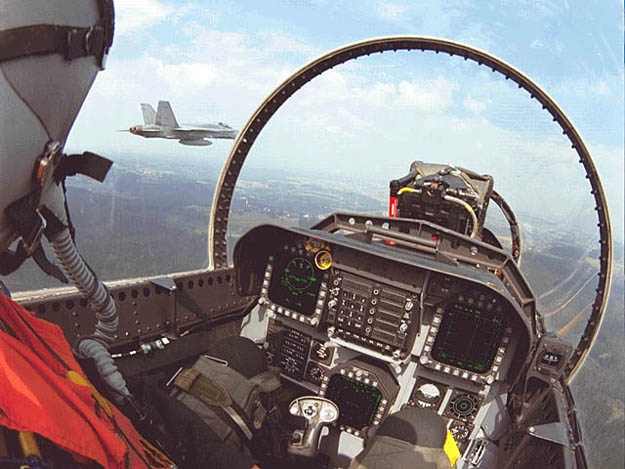
The North American Aerospace Defense Command, or NORAD, has planned some training flights that will take place above the nation's capital to test its rapid response capability.
The flights, known as Exercise Falcon Virgo 07-02, are scheduled to take place from Tuesday, Nov 14 through Thursday, Nov 16.
You can read more about this exercise at http://www.nbc4.com/news/10307019/detail.html.
Look for Guard Dog CAP activity on the following frequencies:
228.800 228.900 234.600 254.200 255.800 260.900 262.150 271.000 277.600 288.350 293.600 318.400 320.600 320.900 324.00o 360.700 362.300 364.200
As always I would appreciate any and all reports of frequencies and calls used during this exercise. You can reach me at the email address in the masthead.
Eye on the Fleet Photo of the Day

Explosive Ordnance Disposalman 1st Class Ray Kassow, left, and Explosive Ordnance Disposalman 3rd Class Chris Eichas test a satellite communication system aboard the nuclear-powered aircraft carrier USS John C. Stennis (CVN 74). Stennis is currently participating in Joint Task Force Exercise (JTFEX) off the coast of southern California. JTFEX is the third at-sea phase of John C. Stennis Carrier Strike Group's pre-deployment training cycle. U.S. Navy photo by Mass Communication Specialist 2nd Class Heidi Giacalone
Friday, November 10, 2006
USS Stennis Departs for JTFEX
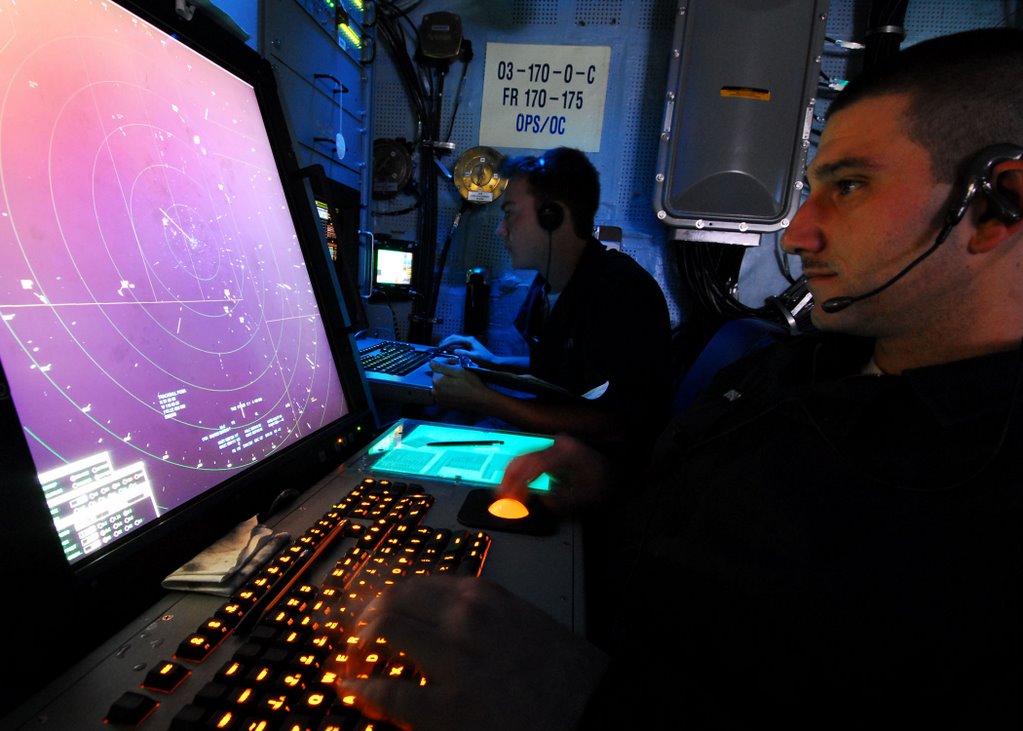
USS John C. Stennis Departs San Diego for Joint Task Force Exercise From USS John C. Stennis Public Affairs
ABOARD USS JOHN C. STENNIS, Pacific Ocean (NNS) -- The USS John C. Stennis (CVN 74) Strike Group (JCSSG) departed Naval Air Station North Island Nov. 8 to conduct its Joint Task Force Exercise (JTFEX) off the coast of Southern California.
According to Commander, Carrier Strike Group 3, Rear Adm. Kevin Quinn, JTFEX is advanced level training designed to prepare JCSSG to deploy at the highest level of combat readiness.
“JTFEX is a great training opportunity,” said Quinn. “Commander, U.S. 3rd Fleet staff and Commander, Strike Force Training Pacific staff are embarked to assess our combat readiness as we progress from ready to surge, to ready to deploy.”
JTFEX marks the first time the JCSSG will conduct large-scale joint operations with the USS Ronald Reagan (CVN 76) Strike Group (RRSG). Together, they will provide a forceful military presence working to provide a secure and stable maritime environment while maintaining combat proficiencies across the spectrum of naval warfare.
JTFEX will test JCSSG’s ability to operate as a member of an international coalition to conduct major combat operations with a second carrier strike group. JTFEX will demonstrate JCSSG’s ability to plan and conduct various air warfare and maritime operations that it might face during its scheduled 2007 deployment.
As the West Coast surge-ready strike group, JCSSG would be the first to respond to any crisis.
John C. Stennis Strike Group is composed of Commander, Carrier Strike Group 3, John C. Stennis, Carrier Air Wing (CVW) 9, Strike Fighter Squadron (VFA) 154, VFA-146, VFA-147, Marine Strike Fighter Squadron (VMFA) 323,Tactical Electronic Warfare Squadron (VAQ) 138, Carrier Airborne Early Warning Squadron (VAW) 112, Sea Control Squadron (VS) 31, Helicopter Anti-Submarine Squadron(HS) 8, Destroyer Squadron (DESRON) 21, USS O’Kane (DDG 77), USS Paul Hamilton (DDG 60), USS Preble (DDG 88), USS Chicago (SSN 721), USS Antietam (CG 54), and USNS Bridge (T-AOE 10),
For the exercise, JCSSG will operate with the staff of Commander, Carrier Strike Group 7, embarked aboard Ronald Reagan. The RRSG will include CVW-14, USS Lake Champlain (CG 57), USS Momsen (DDG 92), and USS Russell (DDG 59).
HSL-49 Completes Counter-Narcotics Deployment
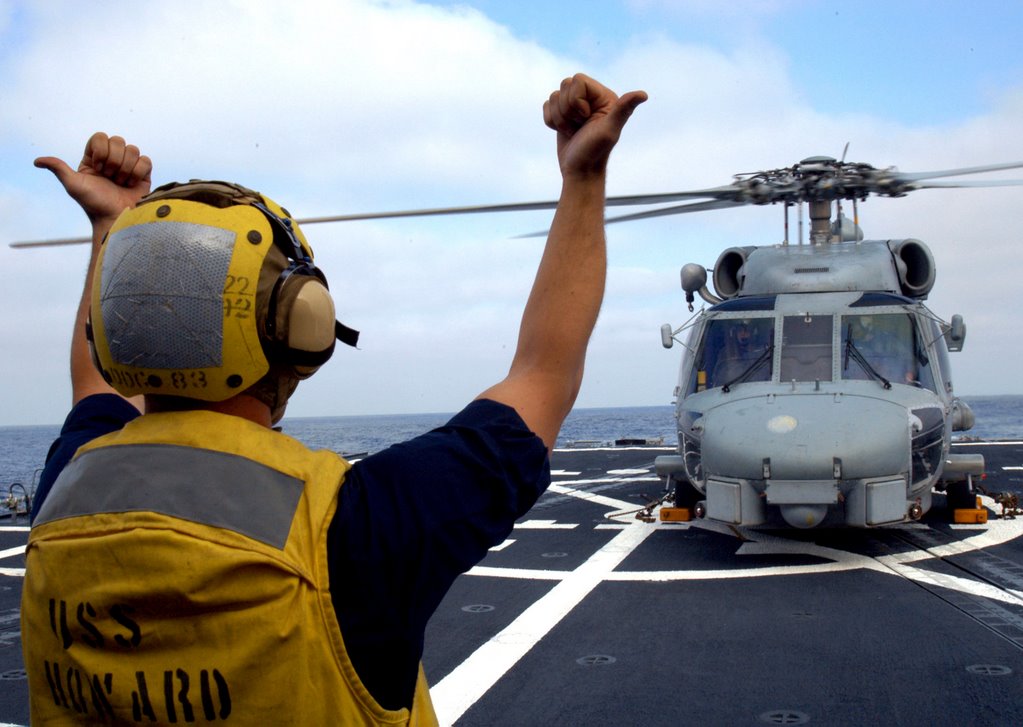
From the Navy Newstand:
HSL-49 Completes Counter-Narcotics Deployment
By Mass Communication Specialist Seaman Daniel A. Barker, Fleet Public Affairs Center, Pacific
CORONADO, Calif. (NNS) -- Helicopter Anti-Submarine Squadron Light (HSL) 49 returned to Naval Air Station North Island, Calif., Oct. 27 from a successful six-month counter-narco terrorism (CNT) deployment aboard USS Curts (FFG 38).
Suppporting U.S. Naval Forces Southern Command (NAVSO) on the deployment, HSL-49, Curts and Coast Guardsmen worked together to interrupt the drug supply as close to its source as feasible.
“Our primary mission was to detect and monitor drug smuggling vessels,” said Lt. Cmdr. Pete Collins, officer-in-charge of HSL-49, Det. 2. “We integrated with Curts and the U.S. Coast Guard to locate, identify and query these boats for boarding and search by our Coast Guard law enforcement team.”
“Our goal is to interdict the flow of drugs on the high seas as far from the U.S. borders as possible,” said Coast Guard Lt. j.g. Greg Rogers.
The most successful counter drug operation of this deployment resulted in the capture and transfer of personnel and 8.5 metric tons of cocaine, which has an estimated street value of $850 million.
HSL-49, Det. 2 also flew two injured detainees ashore for medical treatment, conducted a search for 10 fishermen whose boat had capsized, and transported a Sailor ashore for emergency leave.
“None of us had gone on a counter-narcotics or terrorism deployment before,” said Collins. "But we set out with three goals: make sure we all come back safely, with all digits attached. We accomplished that. Do the operations; we accomplished that. Also, meet our personal goals for training and excellence... we accomplished that as well.”For more information on HSL 49, go to www.hsl49.navy.mil.
Thursday, November 09, 2006
Milair Nationwide Frequencies Part 9
This is part 9 of our exclusive nationwide milair assignment list.
Here is a list of previous parts and the dates they appeared on this blog:
Part 1 Monday May 29, 2006
Part 2 Tuesday, June 06, 2006
Part 3 Tuesday, June 13, 2006
Part 4 Tuesday, June 20, 2006
Part 5 Wednesday, July 5, 2006
Part 6 Wednesday, July 26, 2006
Part 7 Thursday, August 24, 2006
Part 8 Thursday, September 14, 2006
270.100 Air Traffic Control -- ATIS
270.250 Air Traffic Control -- Various functions
270.275 Air Traffic Control -- Various functions
270.300 Air Traffic Control -- Various functions
270.325 Air Traffic Control -- Various functions
270.350 Air Traffic Control -- Approach/Departure Control
270.400 USAF AWACS Tadil Link
270.800 Air Traffic Control -- Various functions
271.000 NORAD Combat Air Patrols
271.100 JStars Operations
271.300 Air Traffic Control -- Various functions
271.800 USAF ATIS
271.825 AMC Special Operations Air-to-Ground
271.950 Have Quick frequency
273.450 Air Traffic Control -- Various functions
273.500 Air Traffic Control -- ATIS
273.525 Air Traffic Control -- Various functions
273.550 Air Traffic Control -- Various functions
273.575 Air Traffic Control -- Various functions
273.600 Air Traffic Control -- Various functions
273.950 USMC HMX-1 Air-to-Air
274.100 USN Carrier Air Wings Common Air-to-Air
274.400 NORAD
274.750 USAF Metro
275.100 USCG SAR Datum Marker Beacons
275.200 Civilian Contractors/Flight Test Support
275.350 USN Blue Angels Flight Demo Team
275.675 USAF F-15 Flight Demo Team Air-to-Air
275.800 Mil/Civilian Ground Control/Clearance Delivery
275.950 Aerial Refueling ACC Random Tracks CONUS
276.075 USAF JStars-AWACS Operations
276.100 Aerial Refueling ACC Random Tracks CONUS
276.300 USN ATIS
276.400 Air Traffic Control -- Various functions
276.500 Aerial Refueling Established Tracks
276.800 USAF JStars Operations
276.900 UHF Wideband
277.400 Air Traffic Control -- ARTCC
277.600 NORAD
277.800 USN Fleet Common-Tactical/Warning (Worldwide assignment)
278.000 US/Russian Military Voice Coordination
278.300 Air Traffic Control -- Various functions
278.500 Air Traffic Control -- Various functions
278.800 Air Traffic Control -- Various functions
279.000 NASA Nationwide/Space Shuttle EVA
279.400 DoD Combat Scene of Action
279.500 Air Traffic Control -- Various functions
279.525 Air Traffic Control -- Various functions
279.550 Air Traffic Control -- Various functions
279.575 Air Traffic Control -- Various functions
279.600 Air Traffic Control -- Various functions
279.625 Air Traffic Control -- Various functions
279.650 Air Traffic Control -- Various functions
279.750 Have Quick frequency
279.800 Aerial Refueling Established Tracks/Anchors
279.850 AMC Airlift CCT Comms
Here is a list of previous parts and the dates they appeared on this blog:
Part 1 Monday May 29, 2006
Part 2 Tuesday, June 06, 2006
Part 3 Tuesday, June 13, 2006
Part 4 Tuesday, June 20, 2006
Part 5 Wednesday, July 5, 2006
Part 6 Wednesday, July 26, 2006
Part 7 Thursday, August 24, 2006
Part 8 Thursday, September 14, 2006
270.100 Air Traffic Control -- ATIS
270.250 Air Traffic Control -- Various functions
270.275 Air Traffic Control -- Various functions
270.300 Air Traffic Control -- Various functions
270.325 Air Traffic Control -- Various functions
270.350 Air Traffic Control -- Approach/Departure Control
270.400 USAF AWACS Tadil Link
270.800 Air Traffic Control -- Various functions
271.000 NORAD Combat Air Patrols
271.100 JStars Operations
271.300 Air Traffic Control -- Various functions
271.800 USAF ATIS
271.825 AMC Special Operations Air-to-Ground
271.950 Have Quick frequency
273.450 Air Traffic Control -- Various functions
273.500 Air Traffic Control -- ATIS
273.525 Air Traffic Control -- Various functions
273.550 Air Traffic Control -- Various functions
273.575 Air Traffic Control -- Various functions
273.600 Air Traffic Control -- Various functions
273.950 USMC HMX-1 Air-to-Air
274.100 USN Carrier Air Wings Common Air-to-Air
274.400 NORAD
274.750 USAF Metro
275.100 USCG SAR Datum Marker Beacons
275.200 Civilian Contractors/Flight Test Support
275.350 USN Blue Angels Flight Demo Team
275.675 USAF F-15 Flight Demo Team Air-to-Air
275.800 Mil/Civilian Ground Control/Clearance Delivery
275.950 Aerial Refueling ACC Random Tracks CONUS
276.075 USAF JStars-AWACS Operations
276.100 Aerial Refueling ACC Random Tracks CONUS
276.300 USN ATIS
276.400 Air Traffic Control -- Various functions
276.500 Aerial Refueling Established Tracks
276.800 USAF JStars Operations
276.900 UHF Wideband
277.400 Air Traffic Control -- ARTCC
277.600 NORAD
277.800 USN Fleet Common-Tactical/Warning (Worldwide assignment)
278.000 US/Russian Military Voice Coordination
278.300 Air Traffic Control -- Various functions
278.500 Air Traffic Control -- Various functions
278.800 Air Traffic Control -- Various functions
279.000 NASA Nationwide/Space Shuttle EVA
279.400 DoD Combat Scene of Action
279.500 Air Traffic Control -- Various functions
279.525 Air Traffic Control -- Various functions
279.550 Air Traffic Control -- Various functions
279.575 Air Traffic Control -- Various functions
279.600 Air Traffic Control -- Various functions
279.625 Air Traffic Control -- Various functions
279.650 Air Traffic Control -- Various functions
279.750 Have Quick frequency
279.800 Aerial Refueling Established Tracks/Anchors
279.850 AMC Airlift CCT Comms
Military Satellite Launch Manifest Link/2006 Schedule
For those who are interested in US military satellite launches you might want to bookmark Steven S. Pietrobon's military launch manifest at http://www.sworld.com.au/steven/space/usmil-man.txt.
This is a great resource for the milsat junkie. For Steve's list here are the rest of the 2006 mil launches.
14 Nov 06 Delta II (7925) NAVSTAR/GPS IIRM-3/IIR-16M
7 Dec 06 Delta II NROL-21
8 Dec 06 Atlas V401 (AV-013) STP 1, Orbital Express (NEXTSat-CSC, ASTRO), NPSat1, CFESat, Falconsat 3, MidSTAR 1, MEPSI 4A, MEPSI 4B
9 Dec 06 Falcon I TacSat 1, [Celestis 05]
11 Dec 06 Minotaur 1 TacSat 2 (Roadrunner,JWS-D1), [GeneSat 1]#
14 Dec 06 Falcon I DemoSat
?? 06 Delta II (732X) SBIRS I
More on these satellites and launches in future here on the MT Milcom blogspot.
This is a great resource for the milsat junkie. For Steve's list here are the rest of the 2006 mil launches.
14 Nov 06 Delta II (7925) NAVSTAR/GPS IIRM-3/IIR-16M
7 Dec 06 Delta II NROL-21
8 Dec 06 Atlas V401 (AV-013) STP 1, Orbital Express (NEXTSat-CSC, ASTRO), NPSat1, CFESat, Falconsat 3, MidSTAR 1, MEPSI 4A, MEPSI 4B
9 Dec 06 Falcon I TacSat 1, [Celestis 05]
11 Dec 06 Minotaur 1 TacSat 2 (Roadrunner,JWS-D1), [GeneSat 1]#
14 Dec 06 Falcon I DemoSat
?? 06 Delta II (732X) SBIRS I
More on these satellites and launches in future here on the MT Milcom blogspot.
DoD DMSP F17 Satellite Launched
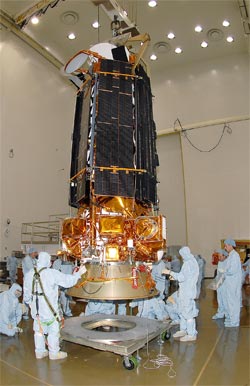 DoD has launched a new DMSP (Defense Meteorological Satellite Program) weather satellite - DMSP 5D-3 F17.
Particulars on this satellite and launch:
Intl Designator: 2006-050A
SSC#: 29522
Launch Date: 11/4/2006 at 1353 UTC
Launch Site: SLC6, Western Test Range, Vandenberg AFB, CA
Launch Vehicle: Boeing Delta 4M
Orbital parameters: 850 x 846-km, 98.8 deg inclination
This satellite is in a sun synchronous orbit and will be a morning imaging satellite. It will replace DMSP 5D-2 F13 (USA 109) launched 3/24/1995 at 1405 UTC (1995-015A/23533). That bird will now become the in-orbit backup for F17 once it becomes operational.
The Block 5D-3 series accommodates larger sensor payloads than earlier generations. They also feature a larger capability power subsystem; a more powerful on-board computer with increased memory -- allowing greater spacecraft autonomy -- and increased battery capacity that extends the mean mission duration. Starting with F-17, the attitude control subsystem has also been enhanced with the integration of a second inertial measurement unit using ring laser, versus mechanical, gyros to provide greater precision pointing flexibility.
DMSP is used for strategic and tactical weather prediction to aid the U.S. military in planning operations at sea, on land and in the air. Equipped with a sophisticated sensor suite that can image visible and infrared cloud cover and measure precipitation, surface temperature, and soil moisture, the satellite collects specialized global meteorological, oceanographic, and solar-geophysical information in all weather conditions. The DMSP constellation comprises two spacecraft in near-polar orbits, C3 (command, control and communications), user terminals and weather centers. The most recent launch of a DMSP spacecraft took place on October 18, 2003 from Vandenberg Air Force Base, on the final Titan II booster flown.
Including DMSP F-17, four satellites remain to be launched and are maintained at Space Systems' operations in Sunnyvale, Calif. for storage, functional testing, and upgrading. The spacecraft are shipped to Vandenberg for launch when requested by the Air Force. Since 1965, 43 Lockheed Martin DMSP satellites have been launched successfully by the U.S. Air Force. Now in its fourth decade of service, the DMSP has proven itself to be a valuable tool in scheduling and protecting military operations on land, at sea and in the air. The Space and Missile Systems Center at Los Angeles Air Force Base, Calif. manages the DMSP program. This satellite is operated for DoD by NOAA who is also responsible for the NOAA polar orbiters.
The next Delta launch will be of a GPS navigation satellite aboard a Delta II from Cape Canaveral Air Force Station, Fla., in mid-November.
Tuesday, November 07, 2006
More Spectrum Holes Reported and Active
Josh, another frequent reporter on the SoCalMilcom group, has monitored unid air-to-air activity on another one of my spectrum hole frequencies, 233.650 MHz in Southern California. More monitoring will be need to determine which agency/unit is using this former spectrum hole.
He uncovered the user of spectrum hole 268.050 MHz. That is a VMFA (AW)-225 air-to-air frequency. They are based out of MCAS Miramar.
And he has also uncovered an apparent Navy warship working aircraft on another spectrum hole, 376.250 MHz.
Nice to see four spectrum holes solved in one day.
He uncovered the user of spectrum hole 268.050 MHz. That is a VMFA (AW)-225 air-to-air frequency. They are based out of MCAS Miramar.
And he has also uncovered an apparent Navy warship working aircraft on another spectrum hole, 376.250 MHz.
Nice to see four spectrum holes solved in one day.
New Saline MOA Discrete Discovered
Bryan Herbert, reporting on the SoCalMilcom group Monday (11-5-2006), passed along a new air-to-air discrete frequency for the Saline MOA (R-2508) of 360.425 MHz. This is another one of my spectrum hole frequencies, so another one has been taken off the list. Callsign Joshua passed this freq along to aircraft callsigns Coso, Hammer, Banger and unid tanker for operations inside the MOA boundary.
Thursday, November 02, 2006
New MARS VHF Frequencies Posted

Dan Myers posted the following new MARS VHF frequencies on the Milcom newsgroup. He obtained the list from Charles Hargrove's website at http://www.n2nov.net/phpbb/viewtopic.php?t=168
New Military Affiliate Radio System (MARS) VHF assignments (courtesy of narrowbanding) (MHz):
138.9750 139.0500 139.6625 140.6250 141.1250 142.1500 142.2750 142.6625 143.3500 143.4000 143.4500 143.9500 143.9750 148.0250 148.0500 148.3500 148.3750 148.4000 148.6500 148.9500 148.9750 149.1875 150.1250 150.4000 150.6250
The complete realignment of the 138-144/148-150.8 MHz DoD LMR bands continues here in the states -New CAP/MARS frequencies. Even if you don't live near a military facility, you should be searching the frequency ranges above using 12.5 kHz spacing on a regular basis. You might be surprised what you will hear. Note: both AM and narrowband FM modes are used in this band. There are very interesting military aircraft comms in these bands.
As always, if you hear something drop me a line. I would like to post what you are hearing.
Milsat 262.125 Downlink Carrying SOAR 160 Comms
 On the Hearsat newsgroup, Allen Woodruff and Barney Hamlin made post on 30/31 Oct about an intercept they made on milsat downlink 262.125 MHz. Since it has generated some wide discussion across more than one newsgroup, I thought I would share my reply to them about what they heard.
Original post from Allen: "I got a rare catch on satcom today. around 5pm local I had 262.125 tuned in and I had units up in the clear. callsigns were Dog-25 and Nightstalker OPS. Dog-25 was in comms with nightstalker ops saying that he could not hear him with the cypher that he had loaded and didn't know what the problem was. later it looked like they got it to work, after that I heard nothing but encrypted comms on this frequency. if anyone would like to hear the audio clip I have uploaded to my web site. http://milsatcom.bravehost.com/index.html"
And from Barney Hamlin: "Still active with clear comms. "Gogo-43" calling"Spear-77" several times. Ivan Artner pointed out to me that this had to be from a CONUS sat since the Atlantic birds don't have atransponder using that frequency. The gentleman calling sounds like one of the people I heard the other night."
And my reply:
"Yes, this is definitely a CONUS bird, I just don't know if it is UFO Quebec or FLTSAT Charlie (which has been at the 100 deg position since I started monitoring milsat comms in the early 80s). As for Allen's intercept, Nightstalker Ops belongs to the 3-160 SOAR out of Hunter AAF. I have several intercepts from monitors in the area who have actually monitored comms from Nightstalker Ops on the uplink for this one 295.725 MHz. Over the last decade this satellite pair has been associated with DIRJIATF East (Key West FL) operations, but I am not sure if this is the case or if any of the SOAR 3-160 ops are associated with DIRJIATF East operations these days."
The current operations being heard in the clear on 262.125 definitely belong to the 3-160 SOAR out of Hunter AAF, Georgia. They appear to be operating primarily in the afternoon and evening hours east coast time.
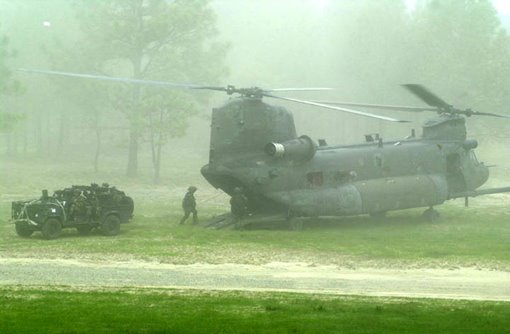
And the Dog and Raven callsigns are used by US Army MH-47 helicopters assigned to the 3-160 unit.
The Gogo and Spear callsigns might possibly be simulated assets. The Spear callsign has been associated with this function and JStars operations here in the southeast US over the last year or so. Not sure how this ties back with the 3-160 ops noted above, but this is the best info I have at this time.
INMARSAT Bird Retired Correction
On Oct 31, 2006, we reported this item from the SEESAT newsgroup, "Kevin Fetter reported on the SEESAT newsgroup that INMARSAT 2-F1 (20918) located at 143 deg east has been retired from service and moved into the geo graveyard."
This morning Chris Swan, Senior Satellite Controller, INMARSAT Ltd., dropped us some email that says that was in error. "We have in fact recently sent INMARSAT 2F3 to its graveyard orbit, 2F1 continues in geostationary orbit," writes Chris.
So there you have it straight from the horses mouth. Contrary to many reports, including information in The Satellite Encyclopedia, INMARSAT 2F3 (1991-084B/21814) is retired from service, and INMARSAT 2F1 (1990-093A/20918) is still operational.
This morning Chris Swan, Senior Satellite Controller, INMARSAT Ltd., dropped us some email that says that was in error. "We have in fact recently sent INMARSAT 2F3 to its graveyard orbit, 2F1 continues in geostationary orbit," writes Chris.
So there you have it straight from the horses mouth. Contrary to many reports, including information in The Satellite Encyclopedia, INMARSAT 2F3 (1991-084B/21814) is retired from service, and INMARSAT 2F1 (1990-093A/20918) is still operational.
Tuesday, October 31, 2006
What is in the November MT Milcom Column?
We have some really neat stuff in our November 2006 Monitoring Times Milcom column.
Titled MilSatcom - The Early Days, we cover the TACSATCOM and the LES 8/9 birds, including freq bandplans. Did you know that one of the LES birds is still operational and in active use by a North American military service? We have the details in the column.
We also cover the new Civil Air Patrol narrowband VHF frequencies, An extensive Search and Rescue frequency list (HF/VHF/UHF/Satellite), Tyndall AFB VHF aero freqs, and the major military communications bands (HF and VHF/UHF).
So as I have said before, "miss one issue of MT and you miss a lot."
Titled MilSatcom - The Early Days, we cover the TACSATCOM and the LES 8/9 birds, including freq bandplans. Did you know that one of the LES birds is still operational and in active use by a North American military service? We have the details in the column.
We also cover the new Civil Air Patrol narrowband VHF frequencies, An extensive Search and Rescue frequency list (HF/VHF/UHF/Satellite), Tyndall AFB VHF aero freqs, and the major military communications bands (HF and VHF/UHF).
So as I have said before, "miss one issue of MT and you miss a lot."
More VLF Military Frequencies
From my personal logs, Trond Jacobsen (via UDXF) and a couple of anonymous contributors,
here are some more VLF military frequencies to keep an eye out for.
20.27 kHz NATO ICV-Isola di Tavolara, Italy STANAG 5030 MSK
20.50 kHz Russian Navy RJH63-Krasnodar N0N/A1A Morse ID
20.50 kHz Russian Navy RJH69-Vileeyka N0N/A1A Morse ID
20.90 kHz French Navy HWU-Le Blanc PSK 200/200 encrypted
23.00 kHz Russian Navy RJH63-Krasnodar N0N/A1A Morse ID
23.00 kHz Russian Navy RJH69-Vileeyka N0N/A1A Morse ID
23.40 kHz German Navy DHO38-Satherland-Ramsloh PSK 200/200 encrypted
25.00 kHz Russian Navy RAB99-Pokravka N0N/A1A Morse ID
25.00 kHz Russian Navy RJH63-Krasnodar N0N/A1A Morse ID
25.00 kHz Russian Navy RJH66-Chaldovar N0N/A1A Morse ID
25.00 kHz Russian Navy RJH69-Vileeyka N0N/A1A Morse ID
25.20 kHz USN NML4-La Moure, ND STANAG 5030 MSK
27.30 kHz Russian NavyF1B T600/Bee 36-50
583.0 kHz Russian Navy RMP-Kaliningrad A1A Morse ID
here are some more VLF military frequencies to keep an eye out for.
20.27 kHz NATO ICV-Isola di Tavolara, Italy STANAG 5030 MSK
20.50 kHz Russian Navy RJH63-Krasnodar N0N/A1A Morse ID
20.50 kHz Russian Navy RJH69-Vileeyka N0N/A1A Morse ID
20.90 kHz French Navy HWU-Le Blanc PSK 200/200 encrypted
23.00 kHz Russian Navy RJH63-Krasnodar N0N/A1A Morse ID
23.00 kHz Russian Navy RJH69-Vileeyka N0N/A1A Morse ID
23.40 kHz German Navy DHO38-Satherland-Ramsloh PSK 200/200 encrypted
25.00 kHz Russian Navy RAB99-Pokravka N0N/A1A Morse ID
25.00 kHz Russian Navy RJH63-Krasnodar N0N/A1A Morse ID
25.00 kHz Russian Navy RJH66-Chaldovar N0N/A1A Morse ID
25.00 kHz Russian Navy RJH69-Vileeyka N0N/A1A Morse ID
25.20 kHz USN NML4-La Moure, ND STANAG 5030 MSK
27.30 kHz Russian NavyF1B T600/Bee 36-50
583.0 kHz Russian Navy RMP-Kaliningrad A1A Morse ID
Russian High Command VLF Net Frequencies
The following frequencies are used by the Russian High Command VLF network:
18.1 kHz F1B FSK
21.1 kHz F1B FSK
Thanks to Trond J. and the UDXF gang.
18.1 kHz F1B FSK
21.1 kHz F1B FSK
Thanks to Trond J. and the UDXF gang.
Extracts from the Russian Red Star MOD Daily 10/30
Following extracts taken from articles on Russian MOD website, dated 30 Oct 2006. Translated by Old Crow and submitted to MT's Milcom Blog for information and interest.
The Large Landing Ship "Yamal" of the Black Sea Fleet has returned from the Mediterranean Sea to the Fleet's main base at Sevastopol'. The ship visited the following Greek ports during its deployment: Kerkira, Patry (asspelt), Pilos and Piraeus. During the deployment, the ship steamed more than 2200 nautical miles. The Commander-in-Chief of the Russian Navy Admiral Vladimir Masorin congratulated the deployment commander, Rear Admiral Evgenij Khalajchev, the ship's commander Captain 1st Rank Igor' Gavrish, and all the Ship's Company on their safe return and thanked them for their expert and highly-professional activities in carrying out their assigned tasks.
Classified Miltary Satellites on Display
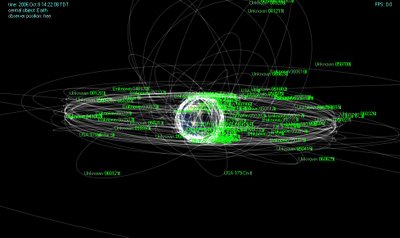
Dr. Marco Langbroek, from the Netherlands, recently posted to his blogspot a couple of interesting graphics. During a self proclaimed day of bordom, he created two plots of all the classified satellites listed in Mike McCant's classified TLE set. It is pretty neat to view. Be sure to click on the small images to enlarge. You can view these two graphics on Marco's blogspot at:
http://sattrackcam.blogspot.com/2006/10/quite-lot.html
INMARSAT Bird Retired
Kevin Fetter reported on the SEESAT newsgroup that INMARSAT 2-F1 (20918) located at 143 deg east has been retired from service and moved into the geo graveyard.
Sunday, October 29, 2006
New CAP Narrowband VHF Freqs Operational?
The August 2006 issue of the Civil Air Patrol North Central Region newsletter (http://ncr.cap.gov/images/ncr/pao/pdf/NCR_News_2006_08.pdf) had the following article on future CAP developments and a timeline regarding their new self proclaimed "sensitive" VHF frequencies:
From page nine of this newsletter:
"2007 may be the most demanding year in the history of CAP for the organization's Communications program. During the summer of 2007, every VHF-FM radio frequency used by CAP will be changed by order of the federal government, requiring changing out of every VHF “repeater” used by CAP and reprogramming of every corporate and member-owned radio used on the “CAP frequencies.”
"CAP's radio communications are regulated by the National Telecommunications Information Administration (NTIA), as opposed to civilian frequencies which are regulated by the Federal Communications Commission. During 2007, CAP will be implementing new technical standards required by the NTIA and the Air Force. Among the changes mandated by the new standards will be operation on new “narrow band” frequencies, meaning physically changing the hardware of every VHF radio repeater used by CAP, nationwide, including 75 in North Central Region. Between 1995 and 2006, CAP has received over $23 million dollars [This is our taxpayer money that funded this CAP frequency changeover-LVH] in Air Force funding to acquire new equipment meeting the more stringent technical standards, which will be fully implemented in 2007.
"The project was discussed during the Comm Manager's meeting on the wednesday of National Board, which included NCR Director of Communications LtCol. Mercer Richardson. According to that discussion, the typical wing will need to plan for the following steps:
• By April 1, 2006, each wing will receive their new repeaters. Each repeater, packaged for transport, will be the size of a refrigerator and will weigh 300 pounds. A forklift will probably be needed to unload the repeater, but once unpacked, it should be possible to transport with a handcart.
• At each repeater site, between April 1 and September 30, the old repeater must be removed from service and the new repeater, operating on new frequencies, must replace it.
• Prior to beginning the program of switching repeaters, every radio in the wing will need to be reprogrammed to include both “old” and “new” frequencies.
• After the last repeater has been switched out, every radio will have to be reprogrammed again to eliminate the “old” frequencies, which will become the territory of other federal agencies.
• Some repeater sites may need a formal process of coordinating frequencies with other users of the site.
• During the transition period, users from other agencies may appear on both the old and new frequencies. CAP must work with these other agencies to try to support our missions while not causing unnecessary interference to their missions.
• Current “old” CAP VHF-FM frequencies may not be used by CAP used after September 30, 2006. The overall project of converting to new frequencies will affect 587 repeaters across the country and thousands of individual radios, making it one of the biggest projects CAP has ever undertaken, as an organization.
"Mark Kunkowski, of CAP's National Technology Center, told comm managers in Reno that they need to be planning for this effort NOW in order to ensure a smooth conversion to the new frequencies. He said that the list of new frequencies should be ready to release to comm managers soon. In order to have access to the list of new frequencies, members must have agreed to the Non-Disclosure Agreement at the conclusion of the Operational Security training announced recently."
I have a complete list of all the new CAP VHF frequencies in the November issue of Monitoring Times magazine in my monthly Milcom column. These frequencies were posted to a publicly available website, and were NOT obtained directly through any official CAP sources.
So much for the big CAP secret frequencies! Did these folks honestly think that their frequencies were going to remain under wraps? How hard is it to hide VHF frequencies coming from a VHF repeater the size of a refrigerator? Duh! It is obvious that the people in the CAP National Technology Center need to learn a bit about VHF line of sight propagation. For a fee I will be more than happy to educate those who obviously are clueless.
From page nine of this newsletter:
"2007 may be the most demanding year in the history of CAP for the organization's Communications program. During the summer of 2007, every VHF-FM radio frequency used by CAP will be changed by order of the federal government, requiring changing out of every VHF “repeater” used by CAP and reprogramming of every corporate and member-owned radio used on the “CAP frequencies.”
"CAP's radio communications are regulated by the National Telecommunications Information Administration (NTIA), as opposed to civilian frequencies which are regulated by the Federal Communications Commission. During 2007, CAP will be implementing new technical standards required by the NTIA and the Air Force. Among the changes mandated by the new standards will be operation on new “narrow band” frequencies, meaning physically changing the hardware of every VHF radio repeater used by CAP, nationwide, including 75 in North Central Region. Between 1995 and 2006, CAP has received over $23 million dollars [This is our taxpayer money that funded this CAP frequency changeover-LVH] in Air Force funding to acquire new equipment meeting the more stringent technical standards, which will be fully implemented in 2007.
"The project was discussed during the Comm Manager's meeting on the wednesday of National Board, which included NCR Director of Communications LtCol. Mercer Richardson. According to that discussion, the typical wing will need to plan for the following steps:
• By April 1, 2006, each wing will receive their new repeaters. Each repeater, packaged for transport, will be the size of a refrigerator and will weigh 300 pounds. A forklift will probably be needed to unload the repeater, but once unpacked, it should be possible to transport with a handcart.
• At each repeater site, between April 1 and September 30, the old repeater must be removed from service and the new repeater, operating on new frequencies, must replace it.
• Prior to beginning the program of switching repeaters, every radio in the wing will need to be reprogrammed to include both “old” and “new” frequencies.
• After the last repeater has been switched out, every radio will have to be reprogrammed again to eliminate the “old” frequencies, which will become the territory of other federal agencies.
• Some repeater sites may need a formal process of coordinating frequencies with other users of the site.
• During the transition period, users from other agencies may appear on both the old and new frequencies. CAP must work with these other agencies to try to support our missions while not causing unnecessary interference to their missions.
• Current “old” CAP VHF-FM frequencies may not be used by CAP used after September 30, 2006. The overall project of converting to new frequencies will affect 587 repeaters across the country and thousands of individual radios, making it one of the biggest projects CAP has ever undertaken, as an organization.
"Mark Kunkowski, of CAP's National Technology Center, told comm managers in Reno that they need to be planning for this effort NOW in order to ensure a smooth conversion to the new frequencies. He said that the list of new frequencies should be ready to release to comm managers soon. In order to have access to the list of new frequencies, members must have agreed to the Non-Disclosure Agreement at the conclusion of the Operational Security training announced recently."
I have a complete list of all the new CAP VHF frequencies in the November issue of Monitoring Times magazine in my monthly Milcom column. These frequencies were posted to a publicly available website, and were NOT obtained directly through any official CAP sources.
So much for the big CAP secret frequencies! Did these folks honestly think that their frequencies were going to remain under wraps? How hard is it to hide VHF frequencies coming from a VHF repeater the size of a refrigerator? Duh! It is obvious that the people in the CAP National Technology Center need to learn a bit about VHF line of sight propagation. For a fee I will be more than happy to educate those who obviously are clueless.
Thursday, October 26, 2006
Hezbollah cracked the code - An Update
Frank Cardenas posted this update to a story we ran last month (and no we weren't the ones who said the Israeli mil was using Sincgars radios).
Courtesy of Frank and the Milcom newsgroup on qth.net:
"Recent media articles have claimed that Hezbollah had employed advanced technology to crack Israeli communications during the fighting in Lebanon. Based upon a story released by the Armed Forces Press Service, the articles have alleged that the Hezbollah used technology from Iran to thwart Israeli tank attacks. Some in the U.S. Arrmed Services have expressed the fear that Hezbollah or Iran has shared this technology with extremists in Iraq. But, the articles are wrong. The Israelis do not use the U.S. SINCGARS system, but instead another frequency-hopping technology. Frequency hopping means messages switch among dozens of frequencies each second to evade being jammed or intercepted. Israel's frequency-hopping radio does not have the U.S. frequency-hopping algorithm, and it does not use the U.S. transmission security devices. It is these features, in combination, that provide the robust protection for U.S. SINCGARS. Those pieces of the SINCGARS provide service members with assured communications security when they follow proper communications procedures."
Courtesy of Frank and the Milcom newsgroup on qth.net:
"Recent media articles have claimed that Hezbollah had employed advanced technology to crack Israeli communications during the fighting in Lebanon. Based upon a story released by the Armed Forces Press Service, the articles have alleged that the Hezbollah used technology from Iran to thwart Israeli tank attacks. Some in the U.S. Arrmed Services have expressed the fear that Hezbollah or Iran has shared this technology with extremists in Iraq. But, the articles are wrong. The Israelis do not use the U.S. SINCGARS system, but instead another frequency-hopping technology. Frequency hopping means messages switch among dozens of frequencies each second to evade being jammed or intercepted. Israel's frequency-hopping radio does not have the U.S. frequency-hopping algorithm, and it does not use the U.S. transmission security devices. It is these features, in combination, that provide the robust protection for U.S. SINCGARS. Those pieces of the SINCGARS provide service members with assured communications security when they follow proper communications procedures."
JCS HFGCS FY06 Budget Item Request
While trolling the net for background information on military communications systems, I ran across this item for the FY06 federal budget with some planning information on the Joint Chiefs of Staff HFGCS network. This is a pretty revealing document including information on a new alternate NCS-W capability to the system and a new station to upgrade CENTCOMs capability in the Middle East. The new station will be located in Al Udied, Qatar.
I have a complete profile of the HFGCS in the archives of this blog. This is a great network to monitor if you are HF equipped. Here is all the particulars from the FY06 budget request:
The Radio Equipment element includes the High Frequency Global Communications System (HFGCS), a cost-effective, networked solution for providing near global communications coverage for both voice and data to aircrews. This element procures new, high frequency (HF) radio equipment and supports its integration for the Air Force (AF) at 15 strategically located ground stations around the world. This Command and Control/National Security System (C2/NSS) is the Department of Defense's (DoD's) only high-power, high-frequency C2 network. The Joint Chiefs of Staff (JCS) tasked the AF to be the executive agent for this worldwide command and control network. The HFGCS is a global C2 network providing Beyond Line Of Sight, interoperable voiceand data communications for strategic and tactical forces. The HFGCS serves as the primary C2 resource for Air Mobility Command (AMC) cargo and tanker aircraft. The HFGCS program supports Mystic Star (Presidential communications), the United States Air Force's Global HF System, Defense Communications System (DCS) HF Entry, US Navy High Command (HICOM) Network, and other US government high-power HF missions. A Teleportcapable system (a telecommunications collection and distribution point, providing deployed warfighters with multiband, multimedia, and a means for worldwide reach-back), the HFGCS supports war plans and the daily operational requirements of the following organizations: White House Communications Agency (WHCA); JCS; US Strategic Command (USSTRATCOM), the National Military Command Center with Emergency Action Message distribution; AMC; Special Air Mission (SAM) fleet communications; Air Combat Command (ACC); Air Intelligence Agency (AIA); Air ForceSpace Command (AFSPC); United States Air Forces Europe (USAFE); and Pacific Air Forces (PACAF).
1. SYSTEM CAPABLE OF PLANNED EXPANSION (SCOPE) COMMAND HF RADIO STATION REPLACEMENT: The SCOPE Command program (the acquisition program supporting the HFGCS weapons system) provides for modernization of selected high-power HFGCS ground radio equipment and supports upgrading the 15 AF HF global stations in accordance with the DoD's right sizing direction with state-of-the-art, commercial-off-the-shelf HF radio equipment.
a. NETWORK MODERNIZATION/IMPROVEMENTS: Supports US Central Command's (CENTCOM's) requirement to improve HF communicationsin their area of responsibility (AOR). The FY06 funding procures the engineering and technical analyses required to upgrade HF capabilities and support integration/interface of a new CENTCOM station into the Defense Information Systems Agency's (DISA's) Global Information Grid (GIG), which provides omnipresent, secure, robust, physically diverse terrestrial, airborne, and space-based transmission paths and information services between our fixed and deployed operating locations. FY06 funds procure radio equipment, including transmit and receive antennas, install and integrate this station into the globalHFGCS network, and provide for interface and integration of the weapons system into CENTCOM's Combined Air Operations Center at Al Udied, Qatar. This work includes the definition, design, installation, integration, and operational testing necessary to implement this capability.
To eliminate a single point of failure (identified as part of the post 9/11 mission review) and to meet system survivability needs, an alternate/backup Network Control Station (NCS) is required to ensure uninterrupted operations for this critical C2 system. This effort requires building block/spiral upgrades to the existing control network to allow for the integration of an alternate NCS (Network Control Station-West (NCS-W)) capability into the HFGCS operational environment. FY06 funding procures the NCS-W hardware/software and the integration of this critical capability into the HFGCS worldwide network.
FY06 funding provides for Information Assurance (IA) activities (actions that protect and defend information systems) and mandated DoD security upgrades. To mitigate system security risks and vulnerabilities, IA remediation actions must be continuously and consistently applied to the weapon systems. This funding provides for risk assessment, definition, engineering, technical analysis, integration, and operational testing required to implement IA upgrades on the global HFGCS network. DoD interface criteria mandate these upgrades to ensure the HFGCS weapon system complies with DISA's GIG.
b. ANTENNAS: Additional program requirements and costs include implementation of Secure/Nonsecure HF email and HF antennasupgrade/replacement. An HF email capability is required to provide the means to send and receive email messages between aircraft and ground stations via the HFGCS network. This capability provides improved command, control, and communications, and enhanced mission safety through the transmission of pilot information, weather updates, and mission reconnaissance and intelligence information. The HF email program includes the engineering, integration, equipment procurement, and modification of HFGCS ground stations and aircraft interface. Also included is the selective replacement/ upgrade of older, degraded HF antennas, as required, to support worldwide HFGCS network mission requirements.
c. ENGINEERING/INTEGRATION/TRAINING: FY06 funding procures engineering integration and items needed to support CENTCOM'srequirements to improve HF communications support in their AOR. Funding completes Alternate Network Control Station hardware and software procurement and integration of this critical capability into the HFGCS worldwide network. In accordance with Assistant Secretary of Defense for Networks and Information Integration direction, FY06 funds will be used to make the HFGCS weapon system Internet Protocol Version 6 compliant.
The FY05 Appropriation Report 108-622, dated 20 July 2004, included a Congressional add of $4M to SCOPE Command. FY06 funds provide for network modernization/improvement Network Control Station-West (NCS-W) efforts with engineering, integration, network management, and security IAW DoD directives. Procurement and installation of SCOPE Command NCS-W will continue in FY06.
2. AFOSI TACTICAL RADIO SYSTEM: No FY06 funding requested.
3. ACC TRUNKED LMR SYSTEM: No FY06 funding requested.
I have a complete profile of the HFGCS in the archives of this blog. This is a great network to monitor if you are HF equipped. Here is all the particulars from the FY06 budget request:
The Radio Equipment element includes the High Frequency Global Communications System (HFGCS), a cost-effective, networked solution for providing near global communications coverage for both voice and data to aircrews. This element procures new, high frequency (HF) radio equipment and supports its integration for the Air Force (AF) at 15 strategically located ground stations around the world. This Command and Control/National Security System (C2/NSS) is the Department of Defense's (DoD's) only high-power, high-frequency C2 network. The Joint Chiefs of Staff (JCS) tasked the AF to be the executive agent for this worldwide command and control network. The HFGCS is a global C2 network providing Beyond Line Of Sight, interoperable voiceand data communications for strategic and tactical forces. The HFGCS serves as the primary C2 resource for Air Mobility Command (AMC) cargo and tanker aircraft. The HFGCS program supports Mystic Star (Presidential communications), the United States Air Force's Global HF System, Defense Communications System (DCS) HF Entry, US Navy High Command (HICOM) Network, and other US government high-power HF missions. A Teleportcapable system (a telecommunications collection and distribution point, providing deployed warfighters with multiband, multimedia, and a means for worldwide reach-back), the HFGCS supports war plans and the daily operational requirements of the following organizations: White House Communications Agency (WHCA); JCS; US Strategic Command (USSTRATCOM), the National Military Command Center with Emergency Action Message distribution; AMC; Special Air Mission (SAM) fleet communications; Air Combat Command (ACC); Air Intelligence Agency (AIA); Air ForceSpace Command (AFSPC); United States Air Forces Europe (USAFE); and Pacific Air Forces (PACAF).
1. SYSTEM CAPABLE OF PLANNED EXPANSION (SCOPE) COMMAND HF RADIO STATION REPLACEMENT: The SCOPE Command program (the acquisition program supporting the HFGCS weapons system) provides for modernization of selected high-power HFGCS ground radio equipment and supports upgrading the 15 AF HF global stations in accordance with the DoD's right sizing direction with state-of-the-art, commercial-off-the-shelf HF radio equipment.
a. NETWORK MODERNIZATION/IMPROVEMENTS: Supports US Central Command's (CENTCOM's) requirement to improve HF communicationsin their area of responsibility (AOR). The FY06 funding procures the engineering and technical analyses required to upgrade HF capabilities and support integration/interface of a new CENTCOM station into the Defense Information Systems Agency's (DISA's) Global Information Grid (GIG), which provides omnipresent, secure, robust, physically diverse terrestrial, airborne, and space-based transmission paths and information services between our fixed and deployed operating locations. FY06 funds procure radio equipment, including transmit and receive antennas, install and integrate this station into the globalHFGCS network, and provide for interface and integration of the weapons system into CENTCOM's Combined Air Operations Center at Al Udied, Qatar. This work includes the definition, design, installation, integration, and operational testing necessary to implement this capability.
To eliminate a single point of failure (identified as part of the post 9/11 mission review) and to meet system survivability needs, an alternate/backup Network Control Station (NCS) is required to ensure uninterrupted operations for this critical C2 system. This effort requires building block/spiral upgrades to the existing control network to allow for the integration of an alternate NCS (Network Control Station-West (NCS-W)) capability into the HFGCS operational environment. FY06 funding procures the NCS-W hardware/software and the integration of this critical capability into the HFGCS worldwide network.
FY06 funding provides for Information Assurance (IA) activities (actions that protect and defend information systems) and mandated DoD security upgrades. To mitigate system security risks and vulnerabilities, IA remediation actions must be continuously and consistently applied to the weapon systems. This funding provides for risk assessment, definition, engineering, technical analysis, integration, and operational testing required to implement IA upgrades on the global HFGCS network. DoD interface criteria mandate these upgrades to ensure the HFGCS weapon system complies with DISA's GIG.
b. ANTENNAS: Additional program requirements and costs include implementation of Secure/Nonsecure HF email and HF antennasupgrade/replacement. An HF email capability is required to provide the means to send and receive email messages between aircraft and ground stations via the HFGCS network. This capability provides improved command, control, and communications, and enhanced mission safety through the transmission of pilot information, weather updates, and mission reconnaissance and intelligence information. The HF email program includes the engineering, integration, equipment procurement, and modification of HFGCS ground stations and aircraft interface. Also included is the selective replacement/ upgrade of older, degraded HF antennas, as required, to support worldwide HFGCS network mission requirements.
c. ENGINEERING/INTEGRATION/TRAINING: FY06 funding procures engineering integration and items needed to support CENTCOM'srequirements to improve HF communications support in their AOR. Funding completes Alternate Network Control Station hardware and software procurement and integration of this critical capability into the HFGCS worldwide network. In accordance with Assistant Secretary of Defense for Networks and Information Integration direction, FY06 funds will be used to make the HFGCS weapon system Internet Protocol Version 6 compliant.
The FY05 Appropriation Report 108-622, dated 20 July 2004, included a Congressional add of $4M to SCOPE Command. FY06 funds provide for network modernization/improvement Network Control Station-West (NCS-W) efforts with engineering, integration, network management, and security IAW DoD directives. Procurement and installation of SCOPE Command NCS-W will continue in FY06.
2. AFOSI TACTICAL RADIO SYSTEM: No FY06 funding requested.
3. ACC TRUNKED LMR SYSTEM: No FY06 funding requested.
Tuesday, October 24, 2006
Syracuse 3B Milsat Freqs Reported

Mr. Paul Marsh has taken a look at the 7 GHz spectrum used by the French Syracuse 3B military satellite and reports the following frequency plan:
tpx 7250-7290 MHz possible 'spare' transponder
tpx 7299-7341 MHz
tpx 7349-7391 MHz
tpx 7399-7441 MHz
tpx 7449-7491 MHz
tpx 7499-7541 MHz
tpx 7549-7591 MHz
tpx 7599-7641 MHz
tpx 7649-7691 MHz
7705.000 : DSSS or PSK TT&C (Identical to TT&C from Telecom 2x)
7722.500 : TT&C generated on board the satellite
This satellite (2006-033B/29273) was launched on 11 Aug 2006 from Kourou, French Guiana on an Ariane 5 rocket and is stationed at 5 degrees west.
You can find more of his notes on the UHF-Satcom.com website at http://www.uhf-satcom.com/xband#Syracuse3B. You can find info on the first satellite of this series, Syracuse 3A at http://www.uhf-satcom.com/xband#Syracuse3A.
Syracuse 3B joins the Syracuse 3A satellite positioned at 43 deg east, launched on October 13, 2005, to complete the Syracuse III system. Syracuse III is the first military satellite of its generation that combines broadband capacity, flexibility, easy reconfigurability and highly secure connections, along with a dedicated ground control segment. France's Syracuse system is up and running, providing permanent connections between military and political authorities at home and operating units deployed around the world. In addition, the Syracuse system is open to collaborative use, and allows both Germany and NATO to share the Syracuse 3A/B resources.
Thanks Paul for the freq profile and the great info on the 7 GHz satellites on UHF-Satcom.com. The Syracuse 3B 7 Ghz spectrum plot below is courtesy of Paul Marsh.

Friday, October 13, 2006
Extracts from the Russian Red Star MOD Daily 10/13
Following extracts taken from articles on Russian MOD website, dated 13 Oct 2006. Translated by Old Crow and submitted to MT's Milcom Blog for information and interest.
<<.. The Black Sea Fleet Large Landing Ship [BDK] "Yamal" has entered the Greek port of Patry (as spelt).The BDK "Yamal" has arrived in the Greek port of Patry. On the first day of the working visit, the Commander of the deployment, Rear Admiral Evgenij Khalajchev, the Yamal's captain, Captain 1st Rank Igor' Gavrish made a courtesy call on the Civil and Military authorities of the town of Patry, in the course of which they met the Commander of the Greek Naval forces in the Ionian Sea, Captain 1st Rank Panaetis Lukopulous and the Deputy Mayor of the town of Ekaterina Kotruba. (Diplomatic niceties concerning the Russian sailors always being honoured guests and the significance of the Flag of St Andrew [Russian Naval Ensign] being at Patry where the largest cathedral in the Balkans bears the name of the Russian sailors' patron saint). The "Yamal" will remain in Patry until 17 October.. >>.
<<.. The Black Sea Fleet has begun a Full Inspection under the Main Russian Naval Command Staff. Today, 13 October, a full inspection of the Black Sea Fleet's combat readiness began. The Chief of Combat Training in the Black Sea Fleet, Captain 1st Rank Valerij Kulikov briefed the fleet's media representatives. He informed them that the inspection of the Black Sea Fleet is under the personal direction of CinC Russian Navy, Admiral Vladimir Masorin who will arrive in Sevastopol' for a critique on the inspection on 26 October. Headed that a group of officers from the Main Naval Staff had arrived in Novorossijsk and had already started work [on the inspection]. The Chief of one of the leading directorates of the Black Sea Fleet noted that "as a result of some serious training, we are ready to demonstrate the combat readiness of all of the fleet's sub-formations." He drew particular attention to the fact that there were several noteworthy events in the fleet's activities... Firstly, it would be not only the units located in the base area but also the ships carrying out missions currently in the Mediterranean Sea. The Escort Vessel (SKR) "Pytlivyj" which had escorted the Russian Cargo Ship"Yurij Arshenevskij" to the Lebanon, is on its return from the Mediterranean Sea, without calling in at any base, to carry out mock combat with ships of the Novorossijsk naval base; the result of which being evaluated as to its combat efficency. The Large Landing Ship (BDK) "Yamal"is carrying out specific missions while showing the Russian Naval flag at anumber of Greek ports. In the Eastern part of the Black Sea, the GM Cruiser "Moskva", the BDKs "Azov" and "Tsezar' Kunikov" are engaged inserials of the operation "Black Sea Harmony" jointly with Turkish naval units...Secondly, there would be an inspection of the Large A/S Ship (BPK)"Kerch'", the Escort Vessel (SKR) "Ladnyj" and the Auxiliary Vessel General Ryabikov" after refit and their acceptance into the continuous readiness forces of the fleet based on their capabilities each to rapidly carry out their assigned missions.. Thirdly, the Fleet Rear Services units; and those formations of the Fleet which did not participate in the Command-Staff training directed by CinC Russian Navy, Admiral Masorin in August this year will be inspected fully. Captain 1st Kulikov informed Fleet representatives that the inspection would include shore-based troops and Fleet Aviation assets. Naval Infantry units had been placed on alert and were carrying out airborne assault training [doesn't say where]. The Surface-Air missile regiment had deployed and had commenced combat-training missions..The Chief of Fleet Combat Training Directorate indicated other aspects of the Inspection.The first thing that the Inspectors will be interested in is not just the path taken but also the methodology and the progress of the Fleet's combat readiness, the maintenance of a high state of combat-efficiency by the ships and units and unswerving observance of the requirements of the Inspection regulations.. >>.
Following extracts taken from the pages of Russian MOD daily "Red Star"dated 131006.
<<.. The Strategic Missile Submarine "Bryansk" [Looks like a Delta IV](RPLSN) has left the slipways after modernisation in Severodvinsk at SEVMAShPREDPRIYATII. In the course of its refit, they have installed improved equipment which will reduce the noise emitted by the submarine and increase its capability to detect enemy submarines. Before being handed over to the Northern Fleet, the submarine will undergo a full series of Contractor's Sea Trials. The refit/modernisation has been completed ahead of schedule: it had been planned for completion in 2007. The Missile submarine "Bryansk" is a project 667 BDRM ("DEL'FIN") classboat. Completed in 1990, she was the last of seven units in the series. Today, these boats are the main strike force of the sea-borne arm of Russia's strategic Triad. All submarines of this class are based in the Northern Fleet.. >>.
<<.. Joint Russo-Japanes maritime exercises "SAREX" in the Sea of Japan have been succesfully completed. This was revealed on Thursday (12th?) to INTERFAX by the Commander of the Primorskij Flotilla, Vice-Admiral Viktor Chirkov. He was in charge of the Russian ships of the Pacific Fleet who had taken part in the exercise. Russia had assigned the Large A/S Ship (BPK) "Admiral Panteleev," the Small A/S Ship (MPK) "Sovetskaya Gavan,'" a diesel submarine of the "Varshavyanka" type [A Kilo???] and a Rescue Tug"SB-522" to the exercise. Japan assigned the Destroyers "Simakadze" and"Kharuna". The Russian ships returned to Vladivostok on Thursday.. >>
<<.. The Black Sea Fleet Large Landing Ship [BDK] "Yamal" has entered the Greek port of Patry (as spelt).The BDK "Yamal" has arrived in the Greek port of Patry. On the first day of the working visit, the Commander of the deployment, Rear Admiral Evgenij Khalajchev, the Yamal's captain, Captain 1st Rank Igor' Gavrish made a courtesy call on the Civil and Military authorities of the town of Patry, in the course of which they met the Commander of the Greek Naval forces in the Ionian Sea, Captain 1st Rank Panaetis Lukopulous and the Deputy Mayor of the town of Ekaterina Kotruba. (Diplomatic niceties concerning the Russian sailors always being honoured guests and the significance of the Flag of St Andrew [Russian Naval Ensign] being at Patry where the largest cathedral in the Balkans bears the name of the Russian sailors' patron saint). The "Yamal" will remain in Patry until 17 October.. >>.
<<.. The Black Sea Fleet has begun a Full Inspection under the Main Russian Naval Command Staff. Today, 13 October, a full inspection of the Black Sea Fleet's combat readiness began. The Chief of Combat Training in the Black Sea Fleet, Captain 1st Rank Valerij Kulikov briefed the fleet's media representatives. He informed them that the inspection of the Black Sea Fleet is under the personal direction of CinC Russian Navy, Admiral Vladimir Masorin who will arrive in Sevastopol' for a critique on the inspection on 26 October. Headed that a group of officers from the Main Naval Staff had arrived in Novorossijsk and had already started work [on the inspection]. The Chief of one of the leading directorates of the Black Sea Fleet noted that "as a result of some serious training, we are ready to demonstrate the combat readiness of all of the fleet's sub-formations." He drew particular attention to the fact that there were several noteworthy events in the fleet's activities... Firstly, it would be not only the units located in the base area but also the ships carrying out missions currently in the Mediterranean Sea. The Escort Vessel (SKR) "Pytlivyj" which had escorted the Russian Cargo Ship"Yurij Arshenevskij" to the Lebanon, is on its return from the Mediterranean Sea, without calling in at any base, to carry out mock combat with ships of the Novorossijsk naval base; the result of which being evaluated as to its combat efficency. The Large Landing Ship (BDK) "Yamal"is carrying out specific missions while showing the Russian Naval flag at anumber of Greek ports. In the Eastern part of the Black Sea, the GM Cruiser "Moskva", the BDKs "Azov" and "Tsezar' Kunikov" are engaged inserials of the operation "Black Sea Harmony" jointly with Turkish naval units...Secondly, there would be an inspection of the Large A/S Ship (BPK)"Kerch'", the Escort Vessel (SKR) "Ladnyj" and the Auxiliary Vessel General Ryabikov" after refit and their acceptance into the continuous readiness forces of the fleet based on their capabilities each to rapidly carry out their assigned missions.. Thirdly, the Fleet Rear Services units; and those formations of the Fleet which did not participate in the Command-Staff training directed by CinC Russian Navy, Admiral Masorin in August this year will be inspected fully. Captain 1st Kulikov informed Fleet representatives that the inspection would include shore-based troops and Fleet Aviation assets. Naval Infantry units had been placed on alert and were carrying out airborne assault training [doesn't say where]. The Surface-Air missile regiment had deployed and had commenced combat-training missions..The Chief of Fleet Combat Training Directorate indicated other aspects of the Inspection.The first thing that the Inspectors will be interested in is not just the path taken but also the methodology and the progress of the Fleet's combat readiness, the maintenance of a high state of combat-efficiency by the ships and units and unswerving observance of the requirements of the Inspection regulations.. >>.
Following extracts taken from the pages of Russian MOD daily "Red Star"dated 131006.
<<.. The Strategic Missile Submarine "Bryansk" [Looks like a Delta IV](RPLSN) has left the slipways after modernisation in Severodvinsk at SEVMAShPREDPRIYATII. In the course of its refit, they have installed improved equipment which will reduce the noise emitted by the submarine and increase its capability to detect enemy submarines. Before being handed over to the Northern Fleet, the submarine will undergo a full series of Contractor's Sea Trials. The refit/modernisation has been completed ahead of schedule: it had been planned for completion in 2007. The Missile submarine "Bryansk" is a project 667 BDRM ("DEL'FIN") classboat. Completed in 1990, she was the last of seven units in the series. Today, these boats are the main strike force of the sea-borne arm of Russia's strategic Triad. All submarines of this class are based in the Northern Fleet.. >>.
<<.. Joint Russo-Japanes maritime exercises "SAREX" in the Sea of Japan have been succesfully completed. This was revealed on Thursday (12th?) to INTERFAX by the Commander of the Primorskij Flotilla, Vice-Admiral Viktor Chirkov. He was in charge of the Russian ships of the Pacific Fleet who had taken part in the exercise. Russia had assigned the Large A/S Ship (BPK) "Admiral Panteleev," the Small A/S Ship (MPK) "Sovetskaya Gavan,'" a diesel submarine of the "Varshavyanka" type [A Kilo???] and a Rescue Tug"SB-522" to the exercise. Japan assigned the Destroyers "Simakadze" and"Kharuna". The Russian ships returned to Vladivostok on Thursday.. >>
Mystic Star Network
Mystic Star Network
This is a worldwide communications system, operated and maintained by elements of the United States Army, United States Navy, and United States Air Force under the control of the Defense Information Systems Agency (DISA) Operations Center. Its network provides worldwide communications by directly controlling radio equipment located at Global HF system stations. It consists of ultra high frequency satellite and HF networks supporting Presidential, Vice President, cabinet members and other senior government officials, Joint Staff, VIP (very important persons) and command airborne missions. The Mystic Star HF network consists of: a single master net control station (MNCS) located at Andrews AFB Maryland, interstation and intersite circuits, and relay and auxiliary communications subsystems. (Source Air Force Instruction 33-106)
Note: I have seen less and less monitor reports on this system over the last few years. It is widely believed that encryption is the reason for this decline in Mystic Star traffic. Frequency/Designator Matrix (USB/LSB/Encryption)
F003 8036.0 F005 9120.0 F007 4850.0 F009 17972.0 F020 16117.0
F033 15962.0 F039 10881.0 F046 13823.0 F054 8058.0 F058 4742.0
F061 23265.0 F063 14870.0 F064 11214.0 F066 15036.0
F077 Unknown F078 18532.0 F080 15677.0 F084 13205.5 F085 6993.0
F086 9461.0 F089 13204.0 F090 6716.0 F094 9017.0 F098 14585.0
F099 13247.0 F101 12106.0 F102 11118.0 F103 11488.0 F107 Unknown
F108 7316.0 F114 6986.0 F117 6993.0 F124 11217.0 F126 12087.0
F128 23242.0 F134 4942.5 F136 5429.5 F146 9027.0 F153 8063.0
F171 18403.5 F173 14420.5 F174 20650.0 F182 3078.0 F184 10648.0
F186 3046.0 F194 13825.0 F195 20631.0 F197 4982.0 F202 16014.0
F204 12057.0 F211 11056.0 F213 Unknown F220 11181.0 F226 5435.5
F228 7735.0 F229 Unknown F236 15041.0 F240 Unknown F243 18590.0
F248 5398.0 F249 4731.0 F250 15091.0 F251 13217.0 F262 10717.0
F264 7693.0 F265 15733.0 F266 7997.0 F267 6730.0 F268 7325.0
F271 18320.0 F277 11153.0 F287 11226.0 F290 8026.0 F291 13960.0
F292 9414.5 F295 11460.0 F300 15707.0 F301 7500.5 F302 Unknown
F310 Unknown F311 11220.0 F322 Unknown F326 14864.0
F327 18716.0 F337 18761.0 F341 16083.0 F350 5043.0 F351 Unknown
F354 11053.0 F356 7827.0 F360 7919.5 F363 15018.0 F365 11059.0
F369 20397.0 F370 17177.0 F372 16123.0 F380 3144.0 F382 15094.0
F395 9057.0 F400 6728.0 F404 7690.0 F405 6972.0 F406 18393.0
F417 4992.0 F419 11407.0 F420 7933.0 F432 6731.0 F433 20972.0
F435 3821.0 F437 5684.0 F441 17440.0 F444 19267.0 F448 16-18 MHz
F451 13248.0 F452 5026.0 F453 19063.0 F461 13211.0 F463 4610.0
F464 16157.0 F465 8040.0 F466 14864.5 F467 9023.0 F476 4-6 MHz
F481 7605.0 F483 18626.0 F486 5152.0 F487 24483.0 F489 5437.0
F496 11059.5 F497 5411.0 F498 8032.0 F499 4442.0 F500 8989.0
F505 9006.0 F515 Unknown F516 4645.0 F517 9270.0 F521 11484.0
F522 11232.0 F523 9215.0 F529 8077.0 F530 23325.0 F533 18675.0
F538 Unknown F540 5404.5 F541 Unknown F542 5431.0 F543 8083.0
F545 10580.0 F546 18400.0 F551 18331.0 F555 4894.0 F561 11052.0
F567 13565.0 F569 18387.0 F574 11413.0 F575 10427.0 F576 11153.5
F577 10544.0 F579 11 MHz F595 10877.0 F600 13878.0 F611 14863.0
F614 4488.8 F616 9320.0 F622 5817.0 F623 18317.0 F624 13241.0
F626 19343.0 F627 7910.0 F631 18755.0 F633 18290.0 F639 7469.0
F642 18218.0 F644 15821.0 F646 13440.0 F649 8053.0 F655 11053.0
F662 15048.0 F664 15 MHz F667 6817.0 F673 3064.0 F677 6 MHz
F690 3032.0 F700 4490.0 F701 11058.0 F702 9323.0 F703 9991.5
F706 8057.0 F707 10589.0 F708 23377.0 F709 9317.0 F710 4458.0
F713 16246.0 F717 10883.0 F722 12270.0 F723 18323.0 F728 11236.0
F731 6683.0 F732 15011.0 F734 4757.0 F736 11494.0 F741 7873.0
F748 6756.0 F749 15-16 MHz F752 8047.0 F754 11627.0 F758 4452.0
F777 3113.0 F778 18023.0 F784 9043.0 F785 15687.0 F790 16323.0
F793 Unknown F800 Unknown F803 5078.0? F807 12103.0?
F809 5700.0 F814 6989.0 F821 Unknown F823 11229.0
F825 19047.0? F832 18267.0 F843 6 MHz F845 6-7 MHz
F846 13822.0 F853 12 MHz F864 16008.0 F867 6830.0 F868 9218.0
F869 16090.0 F873 13248.0 F874 13246.0? F875 6717.0 F877 4721.0
F885 13207.0 F891 11053.5 F895 5710.0 F904 10202.0 F906 4524.0
F909 7687.0 F910 19671.0 F912 7330.0 F915 12107.0 F917 10205.0
F918 13482.0 F919 11159.0 F920 7927.0 F924 16317.0 F932 Unknown
F933 Unknown F935 7922.5 F937 Unknown F940 11445.0 F943 19002.0
F948 15038.0 F952 Unknown F956 Unknown F957 6761.0 F965 11466.0
F974 10586.0 F975 11 MHz F980 15724.0 F982 9,13 MHz F987 10583.0
F988 4763.0 F997 15667.0
Frequencies 4441.0, 6671.0, 8260.0, 18801.0 and 25363.0 has been heard carrying "Mystic Star" traffic, but no designator is known. Designator F171 and signals associated with this net have been monitored on 18397.4 vice the 18403.5 we have listed above.
This is a worldwide communications system, operated and maintained by elements of the United States Army, United States Navy, and United States Air Force under the control of the Defense Information Systems Agency (DISA) Operations Center. Its network provides worldwide communications by directly controlling radio equipment located at Global HF system stations. It consists of ultra high frequency satellite and HF networks supporting Presidential, Vice President, cabinet members and other senior government officials, Joint Staff, VIP (very important persons) and command airborne missions. The Mystic Star HF network consists of: a single master net control station (MNCS) located at Andrews AFB Maryland, interstation and intersite circuits, and relay and auxiliary communications subsystems. (Source Air Force Instruction 33-106)
Note: I have seen less and less monitor reports on this system over the last few years. It is widely believed that encryption is the reason for this decline in Mystic Star traffic. Frequency/Designator Matrix (USB/LSB/Encryption)
F003 8036.0 F005 9120.0 F007 4850.0 F009 17972.0 F020 16117.0
F033 15962.0 F039 10881.0 F046 13823.0 F054 8058.0 F058 4742.0
F061 23265.0 F063 14870.0 F064 11214.0 F066 15036.0
F077 Unknown F078 18532.0 F080 15677.0 F084 13205.5 F085 6993.0
F086 9461.0 F089 13204.0 F090 6716.0 F094 9017.0 F098 14585.0
F099 13247.0 F101 12106.0 F102 11118.0 F103 11488.0 F107 Unknown
F108 7316.0 F114 6986.0 F117 6993.0 F124 11217.0 F126 12087.0
F128 23242.0 F134 4942.5 F136 5429.5 F146 9027.0 F153 8063.0
F171 18403.5 F173 14420.5 F174 20650.0 F182 3078.0 F184 10648.0
F186 3046.0 F194 13825.0 F195 20631.0 F197 4982.0 F202 16014.0
F204 12057.0 F211 11056.0 F213 Unknown F220 11181.0 F226 5435.5
F228 7735.0 F229 Unknown F236 15041.0 F240 Unknown F243 18590.0
F248 5398.0 F249 4731.0 F250 15091.0 F251 13217.0 F262 10717.0
F264 7693.0 F265 15733.0 F266 7997.0 F267 6730.0 F268 7325.0
F271 18320.0 F277 11153.0 F287 11226.0 F290 8026.0 F291 13960.0
F292 9414.5 F295 11460.0 F300 15707.0 F301 7500.5 F302 Unknown
F310 Unknown F311 11220.0 F322 Unknown F326 14864.0
F327 18716.0 F337 18761.0 F341 16083.0 F350 5043.0 F351 Unknown
F354 11053.0 F356 7827.0 F360 7919.5 F363 15018.0 F365 11059.0
F369 20397.0 F370 17177.0 F372 16123.0 F380 3144.0 F382 15094.0
F395 9057.0 F400 6728.0 F404 7690.0 F405 6972.0 F406 18393.0
F417 4992.0 F419 11407.0 F420 7933.0 F432 6731.0 F433 20972.0
F435 3821.0 F437 5684.0 F441 17440.0 F444 19267.0 F448 16-18 MHz
F451 13248.0 F452 5026.0 F453 19063.0 F461 13211.0 F463 4610.0
F464 16157.0 F465 8040.0 F466 14864.5 F467 9023.0 F476 4-6 MHz
F481 7605.0 F483 18626.0 F486 5152.0 F487 24483.0 F489 5437.0
F496 11059.5 F497 5411.0 F498 8032.0 F499 4442.0 F500 8989.0
F505 9006.0 F515 Unknown F516 4645.0 F517 9270.0 F521 11484.0
F522 11232.0 F523 9215.0 F529 8077.0 F530 23325.0 F533 18675.0
F538 Unknown F540 5404.5 F541 Unknown F542 5431.0 F543 8083.0
F545 10580.0 F546 18400.0 F551 18331.0 F555 4894.0 F561 11052.0
F567 13565.0 F569 18387.0 F574 11413.0 F575 10427.0 F576 11153.5
F577 10544.0 F579 11 MHz F595 10877.0 F600 13878.0 F611 14863.0
F614 4488.8 F616 9320.0 F622 5817.0 F623 18317.0 F624 13241.0
F626 19343.0 F627 7910.0 F631 18755.0 F633 18290.0 F639 7469.0
F642 18218.0 F644 15821.0 F646 13440.0 F649 8053.0 F655 11053.0
F662 15048.0 F664 15 MHz F667 6817.0 F673 3064.0 F677 6 MHz
F690 3032.0 F700 4490.0 F701 11058.0 F702 9323.0 F703 9991.5
F706 8057.0 F707 10589.0 F708 23377.0 F709 9317.0 F710 4458.0
F713 16246.0 F717 10883.0 F722 12270.0 F723 18323.0 F728 11236.0
F731 6683.0 F732 15011.0 F734 4757.0 F736 11494.0 F741 7873.0
F748 6756.0 F749 15-16 MHz F752 8047.0 F754 11627.0 F758 4452.0
F777 3113.0 F778 18023.0 F784 9043.0 F785 15687.0 F790 16323.0
F793 Unknown F800 Unknown F803 5078.0? F807 12103.0?
F809 5700.0 F814 6989.0 F821 Unknown F823 11229.0
F825 19047.0? F832 18267.0 F843 6 MHz F845 6-7 MHz
F846 13822.0 F853 12 MHz F864 16008.0 F867 6830.0 F868 9218.0
F869 16090.0 F873 13248.0 F874 13246.0? F875 6717.0 F877 4721.0
F885 13207.0 F891 11053.5 F895 5710.0 F904 10202.0 F906 4524.0
F909 7687.0 F910 19671.0 F912 7330.0 F915 12107.0 F917 10205.0
F918 13482.0 F919 11159.0 F920 7927.0 F924 16317.0 F932 Unknown
F933 Unknown F935 7922.5 F937 Unknown F940 11445.0 F943 19002.0
F948 15038.0 F952 Unknown F956 Unknown F957 6761.0 F965 11466.0
F974 10586.0 F975 11 MHz F980 15724.0 F982 9,13 MHz F987 10583.0
F988 4763.0 F997 15667.0
Frequencies 4441.0, 6671.0, 8260.0, 18801.0 and 25363.0 has been heard carrying "Mystic Star" traffic, but no designator is known. Designator F171 and signals associated with this net have been monitored on 18397.4 vice the 18403.5 we have listed above.
Extracts from the Russian Red Star MOD Daily 10/12
Following extracts taken from articles in Russian MOD daily "Red Star," dated 12 October 2006. Translated by Old Crow and submitted to MT's Milcom Blog for information and interest.
Joint training by the seven Guards Air Assault Division and base-subordinated forces from Novorossijsk Naval Base was carried out for the first time at the Cape Zheleznyj Rog training area recently (date not specified). The training included live firings against sea-borne targets.
[Note: This next extract not necessarily connected with above]
The Commanding General of Airborne Forces, Colonel-General Aleksandr Kolmakov held a briefing for command-level staffs of Airborne Assault troops recently [date not specified]. The briefing contained a number of activities of a tactical character. The main task of the briefing, according to the General, was a display given to Divisional and Regimental commanders of an algorithm for the direction/control of units and formations engaged in combat operations and providing for an airborne assault on enemy-occupied territory.
Russian Naval Vessel Leaves Lebanon
Following extract from article on Russian MOD website. dated 10 October 2006. Translated by Old Crow and submitted to MT's Milcom Blog for information and interest.
The Black Sea Fleet Escort Vessel "PYTLIVYJ" (Inquisitive?) has completed a working visit to the Lebanese Republic.The Escort Vessel and a cargo ship, the "Yurij Arshenevskij" of the Murmansk Steamship Company, have completed the unloading of vehicles and equipment belonging to the Russian engineering battalion (very prob the 100th Independent Bridge and Road Construction Battalion which was airlifted last week.) in the port of El'DZhiya (as spelt) ...both vessels have now left Lebanese territorial waters. (NB: I have seen a note in an earlier article which reported that this equipment and vehicles were sent off from the port of Novorossijsk (Black Sea - about 3/4 up right hand side). Earlier, sailors from the PYTLIVYJ took part in a ceremonial raising of the Russian and Lebanese flags at the "Zukhrani" (as spelt) camp of the Russian Engineer Battalion situated near the town of Sajda (as spelt). Later, the Commanding Officer of PYTLIVYJ, Captain 2nd Rank Sergej Tronev and his officers called on the Commanderof Lebanese Naval Forces - Brigade Admiral Butrus Abi Nars. (Diplomatic niceties follow). In the near future, PYTLIVYJ will replenish with water and fuel from Black Sea Fleet support vessels (Doesn't say who or where) after which the ship will continue to carry out its assigned missions. .
Note: There is an article in "Red Star" which shows a picture of a large 6-wheeled excavator vehicle coming down a ramp from a ship (looks like a deuce-and-half with a bucket on a stick). The article goes on to say that the ship tied upon Saturday morning in El' DZhiya - a small port south of Beirut - which is capable of handling ships with a significant draught.
The Black Sea Fleet Escort Vessel "PYTLIVYJ" (Inquisitive?) has completed a working visit to the Lebanese Republic.The Escort Vessel and a cargo ship, the "Yurij Arshenevskij" of the Murmansk Steamship Company, have completed the unloading of vehicles and equipment belonging to the Russian engineering battalion (very prob the 100th Independent Bridge and Road Construction Battalion which was airlifted last week.) in the port of El'DZhiya (as spelt) ...both vessels have now left Lebanese territorial waters. (NB: I have seen a note in an earlier article which reported that this equipment and vehicles were sent off from the port of Novorossijsk (Black Sea - about 3/4 up right hand side). Earlier, sailors from the PYTLIVYJ took part in a ceremonial raising of the Russian and Lebanese flags at the "Zukhrani" (as spelt) camp of the Russian Engineer Battalion situated near the town of Sajda (as spelt). Later, the Commanding Officer of PYTLIVYJ, Captain 2nd Rank Sergej Tronev and his officers called on the Commanderof Lebanese Naval Forces - Brigade Admiral Butrus Abi Nars. (Diplomatic niceties follow). In the near future, PYTLIVYJ will replenish with water and fuel from Black Sea Fleet support vessels (Doesn't say who or where) after which the ship will continue to carry out its assigned missions. .
Note: There is an article in "Red Star" which shows a picture of a large 6-wheeled excavator vehicle coming down a ramp from a ship (looks like a deuce-and-half with a bucket on a stick). The article goes on to say that the ship tied upon Saturday morning in El' DZhiya - a small port south of Beirut - which is capable of handling ships with a significant draught.
Memorial Dedication to Launch AF's 60th Anniversary
Editor's note: FoxNews Channel and Brian Wilson will be broadcasting from this event live tomorrow. There is also a filmed segment with Brian riding with the T-Birds.
Memorial Dedication to Launch AF's 60th Anniversary Observance
American Forces Press Service
WASHINGTON, Oct. 12, 2006 – The nation's youngest military service will kick off its 60th anniversary observance this weekend with the official dedication of the U.S. Air Force Memorial here. The memorial, composed of three bold and graceful spires soaring skyward to a height of 270 feet, will be dedicated and given to the nation by the Air Force Memorial Foundation at an official ceremony at 1:30 p.m. Oct. 14 on a three-acre promontory next to Arlington National Cemetery and a short walk from the Pentagon.
Officials said the memorial honors the millions of men and women who have served in the Air Force and its predecessor organizations, including the U.S. Signal Corps, the Army Air Corps and the Army Air Forces. It pays tribute to the dedication, sacrifice and contributions of those who pioneered the skies, those who shape the air, space and cyberspace victories of today, and those who will continue to do so in the future, officials added.
The memorial hosts a paved "Runway to Glory" at the site entrance, a larger-than-life bronze Honor Guard statue, two granite inscription walls located at either end of a central lawn, and a glass contemplation wall that reflects the missing-man formation, the final tribute given to fallen airmen. The memorial's surrounding spaces will be landscaped to create a memorial park and parade ground overlooking the nation's capital.
The dedication ceremony will include an aerial review consisting of aircraft from the 1930s through modern day, from the B-17 and B-24 of World War II fame to the B-2 Spirit and C-17 Globemaster III of the global war on terror, as well as a five-ship "Heritage Flight" featuring the P-51 Mustang, the F-86 Sabre, the F-4 Phantom, the F-15C Eagle and the F-22A Raptor. The U.S. Air Force Thunderbirds will also perform a flyover and "bomb-burst" maneuver reflecting the design of the memorial's three spires.
Due to space limitations at the Memorial site, overflow seating will be available in Pentagon South Parking with live simulcast of the dedication.
The Air Force also will host an open house in Pentagon South Parking from 9 a.m. to 5 p.m. on Oct. 14. In addition to the live simulcast of the dedication from 1:30 to 3 p.m., the open house will feature performances by the U.S. Air Force Drill Team and the U.S. Air Force Band's high-energy "Max Impact" ensemble, a "Heritage Parade of Uniforms," a concert by country singer Lee Ann Womack and a wide variety of interactive displays and exhibits showcasing America's airmen, Air Force equipment, technology and aircraft.
Static aircraft displays will include the Predator and Global Hawk unmanned aerial vehicles; UH-1, HH-60, MH-53 helicopters; the CV-22 tiltrotor aircraft; and an F-35 Joint Strike Fighter display model.
The weekend will conclude with a memorial service Oct. 15 at 10:30 a.m. at the memorial site. Officials will participate in a wreath-laying ceremony punctuated by a missing-man formation flown by F-16s. Again, due to space limitations at the site, overflow seating will be available in Pentagon South Parking with live simulcast of the service.
Immediately following both the official dedication ceremony Oct. 14 and the memorial service Oct. 15, shuttles will transport the public from Pentagon South Parking to the Memorial site to view the Memorial.
The weekend's events are easily accessible from the Pentagon Metro station, and the public is highly encouraged to use the Metro as there will be numerous road closures in the area and parking will be extremely limited, officials said.
The Memorial will be closed to the public Oct. 16 while the grounds are restored following the weekend's activities.
(From a U.S. Air Force news release.)
Memorial Dedication to Launch AF's 60th Anniversary Observance
American Forces Press Service
WASHINGTON, Oct. 12, 2006 – The nation's youngest military service will kick off its 60th anniversary observance this weekend with the official dedication of the U.S. Air Force Memorial here. The memorial, composed of three bold and graceful spires soaring skyward to a height of 270 feet, will be dedicated and given to the nation by the Air Force Memorial Foundation at an official ceremony at 1:30 p.m. Oct. 14 on a three-acre promontory next to Arlington National Cemetery and a short walk from the Pentagon.
Officials said the memorial honors the millions of men and women who have served in the Air Force and its predecessor organizations, including the U.S. Signal Corps, the Army Air Corps and the Army Air Forces. It pays tribute to the dedication, sacrifice and contributions of those who pioneered the skies, those who shape the air, space and cyberspace victories of today, and those who will continue to do so in the future, officials added.
The memorial hosts a paved "Runway to Glory" at the site entrance, a larger-than-life bronze Honor Guard statue, two granite inscription walls located at either end of a central lawn, and a glass contemplation wall that reflects the missing-man formation, the final tribute given to fallen airmen. The memorial's surrounding spaces will be landscaped to create a memorial park and parade ground overlooking the nation's capital.
The dedication ceremony will include an aerial review consisting of aircraft from the 1930s through modern day, from the B-17 and B-24 of World War II fame to the B-2 Spirit and C-17 Globemaster III of the global war on terror, as well as a five-ship "Heritage Flight" featuring the P-51 Mustang, the F-86 Sabre, the F-4 Phantom, the F-15C Eagle and the F-22A Raptor. The U.S. Air Force Thunderbirds will also perform a flyover and "bomb-burst" maneuver reflecting the design of the memorial's three spires.
Due to space limitations at the Memorial site, overflow seating will be available in Pentagon South Parking with live simulcast of the dedication.
The Air Force also will host an open house in Pentagon South Parking from 9 a.m. to 5 p.m. on Oct. 14. In addition to the live simulcast of the dedication from 1:30 to 3 p.m., the open house will feature performances by the U.S. Air Force Drill Team and the U.S. Air Force Band's high-energy "Max Impact" ensemble, a "Heritage Parade of Uniforms," a concert by country singer Lee Ann Womack and a wide variety of interactive displays and exhibits showcasing America's airmen, Air Force equipment, technology and aircraft.
Static aircraft displays will include the Predator and Global Hawk unmanned aerial vehicles; UH-1, HH-60, MH-53 helicopters; the CV-22 tiltrotor aircraft; and an F-35 Joint Strike Fighter display model.
The weekend will conclude with a memorial service Oct. 15 at 10:30 a.m. at the memorial site. Officials will participate in a wreath-laying ceremony punctuated by a missing-man formation flown by F-16s. Again, due to space limitations at the site, overflow seating will be available in Pentagon South Parking with live simulcast of the service.
Immediately following both the official dedication ceremony Oct. 14 and the memorial service Oct. 15, shuttles will transport the public from Pentagon South Parking to the Memorial site to view the Memorial.
The weekend's events are easily accessible from the Pentagon Metro station, and the public is highly encouraged to use the Metro as there will be numerous road closures in the area and parking will be extremely limited, officials said.
The Memorial will be closed to the public Oct. 16 while the grounds are restored following the weekend's activities.
(From a U.S. Air Force news release.)
New Military HF Radios Heading Overseas
RF logs $178M in military work
Army backpack radios make up bulk of order
By David Tyler Staff writer (Democrat and Chronicle)
Harris Corp.'s RF Communications Division has begun shipping radios to meet contracts and orders worth $178 million, with one of the orders labeled "urgent" for Harris radios to be used in Iraq and Afghanistan.
The biggest chunk of the work involves $130 million in orders from the U.S. Army for Harris' high frequency radio system known as Falcon II AN/PRC-150(C). The orders are part of a larger contract announced earlier this year.
"This significant order demonstrates the Army's continued standardization on the AN/PRC-150(C) that is broadly used by the Army Reserve and Army National Guard," said Dana Mehnert, president of Rochester-based RF.
The PRC-150 is a backpack unit that allows ground-to-ground and ground-to-air communications from troops on the battlefield.
Harris RF also won a $46 million deal from the Army for its AN/PRC-117F(C) multiband manpack radio, which transmits satellite data and voice communications.
The U.S. Navy, meanwhile, ordered $1.9 million in Falcon (R) III AN/PRC-152 (C) multiband handheld radios, to meet what Harris called "an urgent operational requirement" for Navy units in Iraq and Afghanistan. Those units include explosive ordnance disposal and the Naval Coastal Warfare Group.
Thanks to Hilary and Rachel Baughn, MT editor for info above.
Army backpack radios make up bulk of order
By David Tyler Staff writer (Democrat and Chronicle)
Harris Corp.'s RF Communications Division has begun shipping radios to meet contracts and orders worth $178 million, with one of the orders labeled "urgent" for Harris radios to be used in Iraq and Afghanistan.
The biggest chunk of the work involves $130 million in orders from the U.S. Army for Harris' high frequency radio system known as Falcon II AN/PRC-150(C). The orders are part of a larger contract announced earlier this year.
"This significant order demonstrates the Army's continued standardization on the AN/PRC-150(C) that is broadly used by the Army Reserve and Army National Guard," said Dana Mehnert, president of Rochester-based RF.
The PRC-150 is a backpack unit that allows ground-to-ground and ground-to-air communications from troops on the battlefield.
Harris RF also won a $46 million deal from the Army for its AN/PRC-117F(C) multiband manpack radio, which transmits satellite data and voice communications.
The U.S. Navy, meanwhile, ordered $1.9 million in Falcon (R) III AN/PRC-152 (C) multiband handheld radios, to meet what Harris called "an urgent operational requirement" for Navy units in Iraq and Afghanistan. Those units include explosive ordnance disposal and the Naval Coastal Warfare Group.
Thanks to Hilary and Rachel Baughn, MT editor for info above.
Thursday, October 12, 2006
New Beta version of PCALE released
 For those of you who use Charles Brain's PCALE software to decode ALE transmissions, he has released a new Beta version of his popular software -- v1.062g. It is available for download at http://www.hflink.com/beta/.
This is NOT the new big release version of PCALE that Charles and Steve are still working on.
Just a few of the new features of this Beta version include:
1. New window for text keyboarding.
2. Separately programmable sounding channels.
3. Improved decoding.
4. ALE-GPR Geo Position Reporting, for use with or without a GPS connected.
5. Better Ham Radio operation and transceiver support.
6. Separate ports for PTT and CAT7. Many many other interesting things...
This is a great program to follow many HF military nets that operate in the HF spectrum. We have posted quite a view of these nets on this blog since we opened our doors last May and have quite a few more to post in future messages.
In the meantime, how about jumping on the ALE bandwagon and join in the fun by downloading PCALE and firing up that HF receiver. Oh yea, the best part of all, the software is free!!!
Thursday, October 05, 2006
More MARS Tri Service ALE Net Freqs
I have confirmed through monitoring more of the new tri-service MARS HF ALE net frequencies: 4765.0 and 14512.5 kHz USB. I have seen AFA1CC (MA), NN0KBN (SC), NN0KBP (IN), NN0TJC (AZ), NN0WKC (IL), AFA1LZ (NY) and NN0OAR (IL) sounding on these frequencies this morning.
Here is the new master list of Tri Service MARS ALE Net frequencies (ALE/USB): 4765.0 9303.5 11098.5 14512.5 kHz.
Here is the new master list of Tri Service MARS ALE Net frequencies (ALE/USB): 4765.0 9303.5 11098.5 14512.5 kHz.
New ITU Intl Monitoring #311 Available Online

An interesting HF spectrum resource sometimes overlooked by radio hobbyist and is available for download every quarter is the ITU International Monitoring Publication. This publication has some really interesting intercepts that would interest the SW broadcast and ute DXer. If you are a milcom type you will find quite a few listings for various military services worldwide in this publication. And the best part, it is one of the few publications you can get free from the ITU organization.
The new bulletin #311 that covers the period 1 Jul 2006 to 30 Sep 2006 (85 pages in pdf format) has been released. You can download that file at http://www.itu.int/ITU-R/terrestrial/monitoring/files/pdffiles/311.pdf
Another MARS Tri Service ALE Net Freq Found
I have confirmed through monitoring another of the new tri-service MARS HF ALE net frequencies: 9303.5 kHz USB. I have seen AFA1LZ and NN0OAR sounding on this frequency this morning.
Tri Service MARS ALE Net frequencies (ALE/USB): 9303.5 11098.5 kHz
Tri Service MARS ALE Net frequencies (ALE/USB): 9303.5 11098.5 kHz
The "LEN" HF ALE Net Noon EDT Update
This is an update of the original post to this blog made Saturday 30 September.
A new unidentified ALE net has been widely reported across Europe by various members of the UDXF.
Known as the LEN net (the net NCS appears to be ALE address LEN) it has been widely heard on the following HF frequencies: 4780.0 4970.0 5200.0 5290.0 5335.0 5530.0 6690.0 6695.0 6855.0 6950.0 7500.0 7580.0 7725.0 7780.0 8080.0 kHz ALE Kristian on the UDXF newsgroup posted the new frequencies for this net in the last 24 hours.
Addresses include: LEN (NCS) BG2 BR1 BR2 BT2 DZ1 GS1 21B
Kristian recorded a conversation after a connect of LEN and ab Bxx-Station. Ary Boender uploaded two wave-files to the UDXF file section:
http://groups.yahoo.com/group/udxf/files/Unid%20samples/Unid-LEN.zip
The language is unknown and if anyone can identify this language please let me know. Anyone with any insight on these folks are invited to drop us email about the LEN HF ALE network.
A new unidentified ALE net has been widely reported across Europe by various members of the UDXF.
Known as the LEN net (the net NCS appears to be ALE address LEN) it has been widely heard on the following HF frequencies: 4780.0 4970.0 5200.0 5290.0 5335.0 5530.0 6690.0 6695.0 6855.0 6950.0 7500.0 7580.0 7725.0 7780.0 8080.0 kHz ALE Kristian on the UDXF newsgroup posted the new frequencies for this net in the last 24 hours.
Addresses include: LEN (NCS) BG2 BR1 BR2 BT2 DZ1 GS1 21B
Kristian recorded a conversation after a connect of LEN and ab Bxx-Station. Ary Boender uploaded two wave-files to the UDXF file section:
http://groups.yahoo.com/group/udxf/files/Unid%20samples/Unid-LEN.zip
The language is unknown and if anyone can identify this language please let me know. Anyone with any insight on these folks are invited to drop us email about the LEN HF ALE network.
Astrakhan meets Astrakhan
 Following article noted in the Russian MOD daily "Red Star" dated 5 October 2006. Translated by Old Crow and submitted to MT's Milcom Blog for information and interest.
Astrakhan meets Astrakhan...A new gunboat, the Astrakhan, which is designated to patrol and defend Russia's 200-mile economic zone in the Caspian Sea is now on the inventory of the Caspian Sea Flotilla. The hull was laid down on 30 January 2004 at the "Almaz" shipyard in St. Petersburg. The ship, of the type "River-Sea", has a displacement of around 500 tonnes. It is equipped with a powerful gunnery system, machine-guns, the "Grad" missile system and other weapons for the suppression of shore-based fire positions. Also, use of so-called "Stealth" technology renders the ship almost invisible to radar. The Governor of Astrakhan, Aleksandr Zhilkin, together with Caspian Flotilla command staffs have inspected the new combat unit. Two more vessels of the same class - "Makhachkala" and "Kaspijsk" are expected to join the flotilla by 2010.
Wednesday, October 04, 2006
Canada Cancels HF Radar System
Source: http://www.canada.com/nationalpost/news/archives/story.html?id=3a82702a-7b34-4866-b8c2-8edd1e8a1809 and the Canadian National Post.
One complaint torpedoes radar needed to fight high-seas crime
A plan to build a high-tech radar capable of tracking terrorists and drug runners on the high seas has been torpedoed because the government received a single complaint that the system interfered with someone's radio signal. But navy officials say they aren't giving up on finding some kind of technology to do the job and are now conducting research into what that might be. Canada has spent $39-million developing and building a high-frequency surface wave radar system to monitor ships out to 200 nautical miles (370 kilometres) off its coasts. Two experimental radar sites are already operating in Newfoundland and the system has been successfully used by the Canadian Forces on at least one occasion to detect a suspicious vessel. But that project will now be shelved after a complaint was recently received that the frequency on which the radar operates interfered with another communications transmission. Military officials aren't giving details about the nature of the complaint but note that under international communications agreements, the Canadian government has little choice but to deal with the matter. The cancellation of the radar program was announced last week as part of the Harper government's plan to save money.
One complaint torpedoes radar needed to fight high-seas crime
A plan to build a high-tech radar capable of tracking terrorists and drug runners on the high seas has been torpedoed because the government received a single complaint that the system interfered with someone's radio signal. But navy officials say they aren't giving up on finding some kind of technology to do the job and are now conducting research into what that might be. Canada has spent $39-million developing and building a high-frequency surface wave radar system to monitor ships out to 200 nautical miles (370 kilometres) off its coasts. Two experimental radar sites are already operating in Newfoundland and the system has been successfully used by the Canadian Forces on at least one occasion to detect a suspicious vessel. But that project will now be shelved after a complaint was recently received that the frequency on which the radar operates interfered with another communications transmission. Military officials aren't giving details about the nature of the complaint but note that under international communications agreements, the Canadian government has little choice but to deal with the matter. The cancellation of the radar program was announced last week as part of the Harper government's plan to save money.
Russian Warship Enters the Med
Following extract taken from Russian Ministry of Defense (MOD) website. Translated by Old Crow and submitted to MT's Milcom Blog for information and interest. Date of article 2 October 2006.
A Large Landing Ship - the Yamal - of the Black Sea Fleet has left Sevastopol' for the Mediterranean. The Yamal left Sevastopol' on the 2nd October and set course for the Mediterranean. Rear Admiral Evgenij Khalajchev, Assistant to the Commander of the Black Sea Fleet has been designated as Commander for this deployment. During the deployment, the ship will carry out a number of visits to Greek ports. These include Kerkira: - in memory of events of 1799 when Russian sailors under the command of Admiral Fyodor Ushakov, liberated the island of Corfu from foreign aggressors. Additionally to mark "Russian Week in Corfu"; Patry (?), Pilos - where the ship's crew will participate in ceremonial parade on the occasion of the anniversary of the battle of Navarin, in the course of which, a united squadron beat off Turkish-Egyptian naval forces during the Greek national uprising 1821-1829; in addition, the Russian sailors will visit Piraeus, where they will pay military honours to their countrymen who are interred in the Russian memorial cemetery.
A Large Landing Ship - the Yamal - of the Black Sea Fleet has left Sevastopol' for the Mediterranean. The Yamal left Sevastopol' on the 2nd October and set course for the Mediterranean. Rear Admiral Evgenij Khalajchev, Assistant to the Commander of the Black Sea Fleet has been designated as Commander for this deployment. During the deployment, the ship will carry out a number of visits to Greek ports. These include Kerkira: - in memory of events of 1799 when Russian sailors under the command of Admiral Fyodor Ushakov, liberated the island of Corfu from foreign aggressors. Additionally to mark "Russian Week in Corfu"; Patry (?), Pilos - where the ship's crew will participate in ceremonial parade on the occasion of the anniversary of the battle of Navarin, in the course of which, a united squadron beat off Turkish-Egyptian naval forces during the Greek national uprising 1821-1829; in addition, the Russian sailors will visit Piraeus, where they will pay military honours to their countrymen who are interred in the Russian memorial cemetery.
Air Move Lebanon

Following article noted on Russian Ministry of Defense (MOD) webpage. Translated by Old Crow and submitted to MT's Milcom Blog for interest and information. Date of article: 3 October 2006. IL-76 picture courtesy of the BBC.
There are six sorties to be carried out by aircraft of Military Transport Aviation to Lebanon on the 3rd, 4th and 5th of October. More than 130 tonnes of air freight and around 300 personnel of the Independent Bridging Battalion will be transported by Military Transport Aviation. On 3rd October, one AN-124 (RUSLAN) is scheduled to depart Chkalovskij airfield at 0800. This aircraft will carry 77 tonnes of air freight in the form of special vehicular equipment, technical stores andrations together with 17 personnel. On the same date, a TU-154 will transfer more than 130 personnel. On 4th October, two IL-76 aircraft will transfer 46 tonnes of stores and more than 20 personnel. On 5th October, two IL-76 will transfer more than 130 personnel and more than 10 tonnes stores.
The aircraft will fly along the route: Chkalovskij - Beirut - Chkalovskij. The distance between Chkalovskij and Beirut is more than 2500 Km and the flight time is likely to be AN-124/IL-76 - 3 hours 50 min and TU-154 - 3 hours 10 min.
Sunday, October 01, 2006
New NAVSTAR GPS Satellite Launched
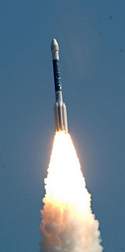
The USAF has launched a new NAVSTAR GPS satellite. Launched on 25 Sep 2006 at 1850 UTC, the satellite carries an international designator of 2006-042/SSC#29486. Based on the last element set the satellite appears to still be in its transfer orbit phase.
This is the second NAVSTAR of the new GPS-IIR/M series platforms and the 15th series IIR satellites. These new GPS IIR-M satellites incorporates various improvements to provide greater accuracy, increased resistance to interference and enhanced performance for users.
The satellite was launched from Cape Canaveral from LC17A onboard a Delta 2/7925 rocket. No USA number has been assigned to this satellite yet and probably won't until the satellite is in its final orbit and health checks on the satellite prove successful. I anticipate it will carry USA 190 when all is said and done.
The last orbital elset produced these orbital parameters:
Period 357.05 minutes
Inclination 40 degress
Apogee 20414 km
Perigee 173 km
RCS 3.5
Last round of Wideband Gapfiller Satellite tests

The Boeing Company has completed Spacecraft Thermal Vacuum (SCTV) testing for the first of its Wideband Gapfiller Satellites (WGS). The tests, conducted at the Boeing Satellite Development Center in El Segundo, Calif., evaluated the WGS operating systems' ability to withstand the extreme temperatures of space.
"WGS has completed one of the most difficult and highest risk tests in the build process to evaluate its ability to withstand the extreme hot and cold temperatures of space," said U.S. Air Force Lt. Col. David Lee, WGS Block I program manager. "The completion of these tests moves WGS closer to its scheduled 2007 launch date."
Over a two-month period, Boeing completed the demanding tests inside its largest thermal-vacuum chamber, which provided the best representation of the space environment by removing all air and eliminating the ability to dissipate heat through convection. WGS testers cycled between hot and cold temperature extremes to ensure that all subsystems perform properly throughout all mission phases.
"With the thermal-vacuum test complete, the team now is conducting final reviews of all environmental test data to confirm that the satellite is ready to proceed with final factory testing and shipment to the launch site," said Charles Toups, vice president of Navigation and Communications Systems for Boeing Space & Intelligence Systems. "Once it's launched, WGS will provide a tremendous boost in capacity and operational flexibility for our U.S. Department of Defense customers. We are extremely proud to deliver these satellites to support our nation's needs."
WGS is the key element of a high-capacity satellite communications system designed to quickly disseminate large amounts of data to the warfighter. With a growing need for bandwidth, including two-way, point-to-point, multicast and broadcast communications, WGS will provide additional network-centric communications capabilities for troops in the field.
WGS will support the DoD's warfighting information exchange requirements, enabling execution of tactical command and control, communications, and computers; intelligence, surveillance, and reconnaissance (C4ISR); battle management; and combat support information. WGS will also augment the current Ka-band Global Broadcast Service (on UHF F/O satellites) by providing additional information broadcast capabilities.
Each WGS can route 2.4 to 3.6 Gbps of data -- providing more than 10 times the communications capacity of the predecessor DSCS III satellite. Using reconfigurable antennas and a digital channelizer, WGS also offers added flexibility to tailor coverage areas and to connect X-band and Ka-band users anywhere within the satellite field of view. The system provides tremendous operational flexibility and delivers the needed capacity, coverage, connectivity and control in support of demanding operational scenarios.
The WGS space segment will initially consist of three geostationary satellites operating over Pacific, Indian and Atlantic regions. Plans are in place for procurement of additional satellites to meet the warfighter's evolving SATCOM bandwidth requirements. Follow-on satellites will include enhanced capabilities, such as an RF bypass to support ultra-wide terminals needed for airborne ISR missions.
Boeing was awarded the WGS contract in January 2001, and has been authorized for production of the first three satellites, plus the associated ground-based command and control elements. Integrated logistics, training, and sustaining engineering support are also provided by Boeing. The procuring agency is the U.S. Air Force Space Command's Space and Missile Systems Center (USAF/SMC) at Los Angeles AFB, California.
With an initial launch scheduled in 2007 aboard an Air Force Evolved Expendable Launch Vehicle, WGS will provide early transformational capabilities supporting government objectives for the Transformational Communications Architecture in the next decade and beyond.
Capacity: WGS supports communications links within the Government's allocated 500 MHz of X-band and 1 GHz of Ka-band spectrum. The WGS payload can filter and route 4.875 GHz of instantaneous bandwidth. Depending on the mix of ground terminals, data rates and modulation schemes employed, each satellite can support data transmission rates ranging from 2.4 Gbps to more than 3.6 Gbps. By comparison, a DSCS III satellite will support up to 0.25 Gbps.
Coverage: The WGS design includes 19 independent coverage areas that can be positioned throughout the field of view of each satellite. This includes eight steerable and shapeable X-band beams formed by separate transmit and receive phased arrays; 10 Ka-band beams served by independently steerable, diplexed antennas, including three with selectable RF polarization; and transmit/receive X-band Earth coverage beams.
Connectivity: The enhanced connectivity capabilities of WGS enable any user to communicate with any other user with very efficient use of satellite bandwidth. A digital channelizer divides the uplink bandwidth into nearly 1,900 independently routable 2.6 MHz subchannels, providing connectivity from any uplink coverage area to any downlink coverage area (including the ability to cross-band between X and Ka frequencies). In addition, the channelizer supports multicast and broadcast services and provides an effective and flexible uplink spectrum monitoring capability to support network control.
Command and Control: Control of the WGS communications payloads is accomplished from four Army Wideband Satellite Operations Centers (WSOCs), using ground equipment hardware and software developed by Boeing, ITT Industries, and Raytheon Corp. Each Gapfiller Satellite Configuration and Control Element (GSCCE) has the capability to control up to three satellites at a time, via "in-band" (X-band or Ka-band) telemetry and command links. Spacecraft platform control is accomplished by the 3rd Space Operations Squadron (3 SOPS) at Schriever AFB in Colorado Springs, using WGS mission unique software and databases provided by Boeing, hosted on the Command and Control Segment Consolidated (CCS-C) systems that are being fielded by Integral Systems, Inc. The satellite is designed for compatibility with the current S-band SGLS TT&C capability, as well as the planned Unified S-band (USB) formats and frequencies.
Boeing 702 Platform: The Boeing 702 satellite is the industry leader in capacity, performance and cost-efficiency. Enabling technologies for the advanced 702 design are the xenon-ion propulsion system (XIPS), highly efficient triple-junction gallium arsenide solar cells, and deployable radiators with flexible heat pipes.
XIPS is 10 times more efficient than conventional bipropellant systems. Four 25-cm thrusters remove orbit eccentricity during transfer orbit operations and are used for orbit maintenance and to perform station change maneuvers as required throughout the mission life. Deployable radiators with flexible heat pipes provide substantially more radiator area, resulting in a cooler, more stable thermal environment for both bus and payload. This increases component reliability and reduces performance variations over life.
The figure below shows how the X-band and Ka-band antenna suites are interconnected via the digital channelizer to provide the unique flexibility and connectivity of WGS. Contrary to one report passed around the radio hobby, and based on publicly released information, it does not not appear as though these WGS platforms will carry any dedicated UHF downlink capability.
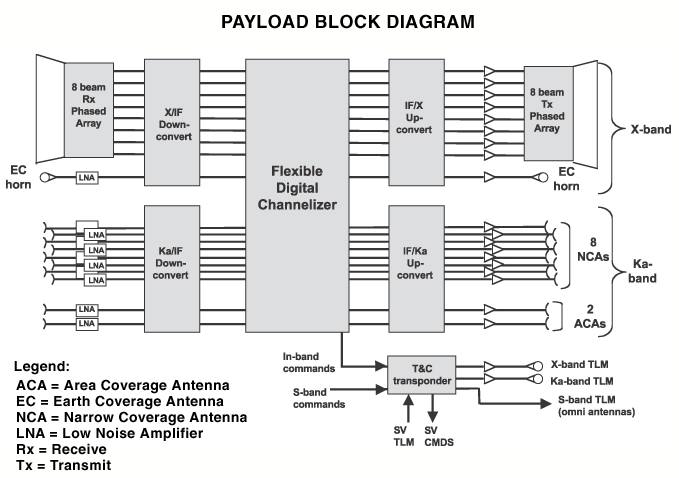
DoD FLIP Foreign Enroute/Planning Pubs Removed
As advertised some of the DoD FLIP enroute and planning publications have been removed from the public NGA website. Thanks to countries such as Australia who complained to DoD about offering aero material for free that they were charging for, the first to go were the foreign enroute and AP sups. Here is what is missing this morning (1 Oct 2006):
AP-2/2A and AP-4/4A, Africa, ENAME, EEA, PAA
The following pubs remain on the public website as of this writing:
Planning Document
AP1 North and South America (7 MB)
AP1A (2.61 MB)
AP1B (9.72 MB)
AP3 Pacific-Australasia-Antarctica (3.27 MB)
AP3A (1.98 MB)
GP General Planning (10.91 MB)
FIH Flight Information Handbook (24.71 MB)
Enroute Supplements
Caribbean/South America Supp (8.78 MB)
U.S. IFR Supp (17.83 MB)
U.S. VFR Supp (30.93 MB)
As I have written before these DoD pubs, while they do have some old info, are much more accurate than the FAA ATA-100 database that DoD sources told me the public could use instead. The NGA spokesman I talked to made a big deal during a phone interview that we would still have access to aero info via this ATA-100 database. But the facts are very plain that the FAA ATA-100 is no where near as comprehensive or accurate as the DoD pubs and, of course, does not include any of the foreign info or planning pubs we just lost.
So we in the milair community have suffered a major loss. To my friends across the pond in Europe, I know this has a big impact on you, especially with all the recent changes in the NATO bandplan and the 8.33 kHz spacing changes.
And to the greedy Australian government that started this mess, thanks a bunch for nothing you jerks. You are a large part of this problem, something I am sure most milair hobbyist won't soon forget or will cast a vote with their wallets. You won't get one red cent from me for any of your radio publications in the future and I hope others will follow suit as well.
Oh yes, any opportunity I get I will publish any and all Aussie Mil radio frequencies. If you have some to share, please pass them along.
AP-2/2A and AP-4/4A, Africa, ENAME, EEA, PAA
The following pubs remain on the public website as of this writing:
Planning Document
AP1 North and South America (7 MB)
AP1A (2.61 MB)
AP1B (9.72 MB)
AP3 Pacific-Australasia-Antarctica (3.27 MB)
AP3A (1.98 MB)
GP General Planning (10.91 MB)
FIH Flight Information Handbook (24.71 MB)
Enroute Supplements
Caribbean/South America Supp (8.78 MB)
U.S. IFR Supp (17.83 MB)
U.S. VFR Supp (30.93 MB)
As I have written before these DoD pubs, while they do have some old info, are much more accurate than the FAA ATA-100 database that DoD sources told me the public could use instead. The NGA spokesman I talked to made a big deal during a phone interview that we would still have access to aero info via this ATA-100 database. But the facts are very plain that the FAA ATA-100 is no where near as comprehensive or accurate as the DoD pubs and, of course, does not include any of the foreign info or planning pubs we just lost.
So we in the milair community have suffered a major loss. To my friends across the pond in Europe, I know this has a big impact on you, especially with all the recent changes in the NATO bandplan and the 8.33 kHz spacing changes.
And to the greedy Australian government that started this mess, thanks a bunch for nothing you jerks. You are a large part of this problem, something I am sure most milair hobbyist won't soon forget or will cast a vote with their wallets. You won't get one red cent from me for any of your radio publications in the future and I hope others will follow suit as well.
Oh yes, any opportunity I get I will publish any and all Aussie Mil radio frequencies. If you have some to share, please pass them along.
Saturday, September 30, 2006
New Iraqi Army Freqs Reported
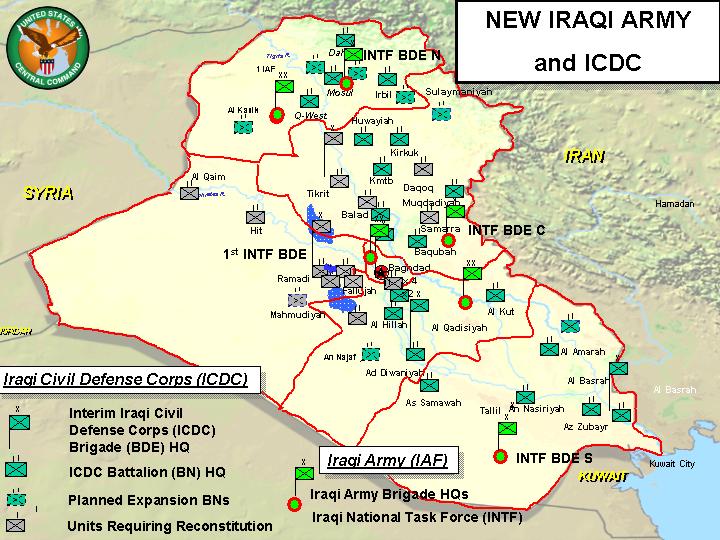
Peter Poelstra of The Netherlands recently reported on the UDXF newsgroup an ALE frequency for the new Iraqi Army -- 6524.2 kHz. ALE Addresses noted include: 4101 6301 6701 7201.
Another frequency for the Iraqi Army 10th Division has been noted by Sam in the UK on 10596.4 kHz. ALE Addresses include: 1548 1542 1556 1557 1558 3002 4024 4040 7012 20103.
Friday, September 29, 2006
NATO Naval Activity Lebanon
NATO ships enforcing the arms embargo off the coast of Lebanon have been monitored using 6442.5 kHz USB. Ships will be using tri-graph callsigns.
Friday, September 22, 2006
1st Tri-Service MARS HF ALE Net Freq Found
I have confirmed through monitoring one of the new tri-service MARS HF ALE net frequencies:
11098.5 kHz USB. I have seen both AAR5VQ USA MARS and Navy MARS NN0EPY sounding on this frequency.
11098.5 kHz USB. I have seen both AAR5VQ USA MARS and Navy MARS NN0EPY sounding on this frequency.
Wednesday, September 20, 2006
NORAD exercise planned for Washington D.C.
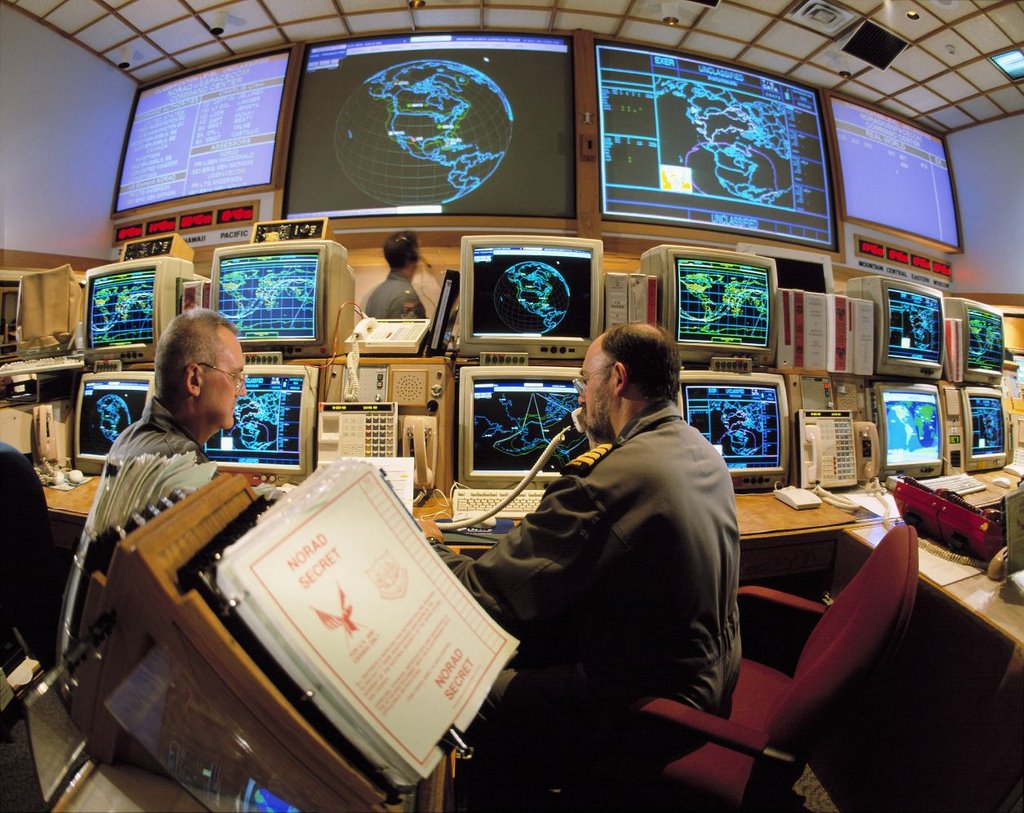
The North American Aerospace Defense Command and its geographical component, the Continental United States NORAD Region (CONR), will conduct Exercise Falcon Virgo 06-12 Wednesday and Thursday (20-21 Sep 2006) in the National Capital Region (Washington,D.C.).
This exercise comprises a series of training flights held incoordination with the Federal Aviation Administration, the National Capital Region Command Center, the Joint Air Defense Operations Center, Civil Air Patrol, U.S. Coast Guard, and NORAD's Northeast Air Defense Sector. Exercise Falcon Virgo 06-12 is designed to test NORAD's intercept andidentification operations. Civil Air Patrol aircraft, Air Force F-16s, Air Force Flight Standards Agency C-21s, and US Coast Guard HH-65 helicopters will participate in the exercise.
Residents in the area can expect flights to occur during the late night and early morning hours. In the event of inclement weather the exercise will push to the next day until all training requirements are complete.
These exercises are carefully planned and closely controlled to ensure NORAD's rapid response capability. NORAD has conducted exercise flights of this nature throughout the U.S. and Canada since the start of Operation Noble Eagle, the command's response to the terrorist attacks on Sept. 11, 2001. As the Continental United States (CONUS) geographical component of the bi-national command NORAD, CONR provides airspace surveillance and control, and directs air sovereignty activities for the CONUS region. CONR and its assigned Air Force assets throughout the country ensure air safety and security against potential air threats.
Since Sept. 11, 2001, NORAD fighters have responded to more than 2,100 possible air threats in the United States, Canada and Alaska, and have flown more than 42,000 sorties with the support of Airborne Warning and Control System and air-to-air-refueling aircraft.
Hezbollah cracked the code
In the aftermath of the conflict in Lebanon between Israel and Hezbollah, Newsday.com is reporting that Hezbollah guerrillas were able to hack into Israeli radio communications. This intelligence breakthrough helped them thwart Israeli tank assaults.
Milcom monitors will want to read this very fascinating article by Mohamad Bazzi online at http://www.newsday.com/news/nationworld/world/ny-wocode184896831sep18,0,3091818.story?coll=ny-worldnews-print.
Milcom monitors will want to read this very fascinating article by Mohamad Bazzi online at http://www.newsday.com/news/nationworld/world/ny-wocode184896831sep18,0,3091818.story?coll=ny-worldnews-print.
Saturday, September 16, 2006
Cecil Field Issue Will Not Appear On Ballot
According to a news report appearing on the Jacksonville NBC12 website, voters will not be getting a say in November on whether the city should pursue the Navy to bring a master jet base to Cecil Field.
Circuit Judge Bernard Nachman, in a twenty page ruling, found the proposed voter referendum to change the city charter, "illegal and invalid."
You can find the complete story at http://www.firstcoastnews.com/news/local/news-article.aspx?storyid=64414.
Circuit Judge Bernard Nachman, in a twenty page ruling, found the proposed voter referendum to change the city charter, "illegal and invalid."
You can find the complete story at http://www.firstcoastnews.com/news/local/news-article.aspx?storyid=64414.
Friday, September 15, 2006
Russia and China have launched milsats
I have received two notices regarding the launch of military satellites from Russia and China.
Russia has launched a Don Class (Yantar-6K/ FR6)/Orlets-1, close look and survey photo recon designated Kosmos 2423. It was launched 14 Sep 2006, at 1341 UTC on a Soyuz-U rocket from Baykonur LC31. Kosmos 2423 carries an international designator of 2006-39A and a SSC number of 24902. The satellite is equipped with a panoramic camera and equipped with eight film return capsules. The satellite was launched into a 317 x 170 km, 64.9 deg inclination orbit. Further orbit maneuvers to raise the perigee of this satellite are expected in the next few days.
China has launched Zhongxing-22A, a communications satellite on a Long March 3A rocket on 12 Sep 2006, at 1602 UTC. The satellite was launched into a 41817 x 202 km, 25 deg transfer orbit. The satellite carries an international designator of 2006-038A and an SSC number of 29398.
This satellite will replace the Zhongxing-22 satellite in orbit at 98 deg east. It has been reported that this series of satellite carries a military communications capability, but we have no specific details on where in the spectrum that package transmits. The Chinaview news service carried the following on the launch:
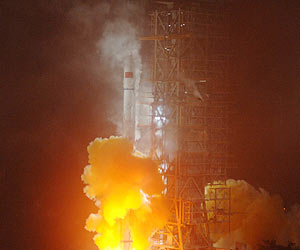
" Zhongxing-22A, an earth-synchronous telecommunications satellite is designed by the Chinese Academy of Space Technology under the China Aerospace Technology Group Company.
" The satellite has been designed to work for eight years, for the owner - the China Telecommunication Broadcast Satellite Company under the China Telecommunications Satellite Group Company.
" According to some experts, once the satellite shifts its track, it will be fixed above the Equator, at 98 degrees east longitude, under the guidance of the Xi'an center and ocean-going space measuring vessels. Afterwards, it will be handed over to the owner."
Russia has launched a Don Class (Yantar-6K/ FR6)/Orlets-1, close look and survey photo recon designated Kosmos 2423. It was launched 14 Sep 2006, at 1341 UTC on a Soyuz-U rocket from Baykonur LC31. Kosmos 2423 carries an international designator of 2006-39A and a SSC number of 24902. The satellite is equipped with a panoramic camera and equipped with eight film return capsules. The satellite was launched into a 317 x 170 km, 64.9 deg inclination orbit. Further orbit maneuvers to raise the perigee of this satellite are expected in the next few days.
China has launched Zhongxing-22A, a communications satellite on a Long March 3A rocket on 12 Sep 2006, at 1602 UTC. The satellite was launched into a 41817 x 202 km, 25 deg transfer orbit. The satellite carries an international designator of 2006-038A and an SSC number of 29398.
This satellite will replace the Zhongxing-22 satellite in orbit at 98 deg east. It has been reported that this series of satellite carries a military communications capability, but we have no specific details on where in the spectrum that package transmits. The Chinaview news service carried the following on the launch:
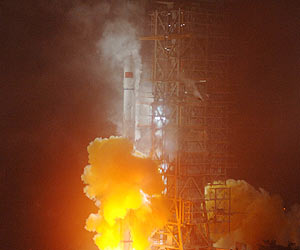
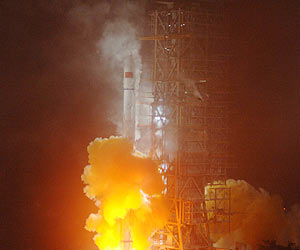
" Zhongxing-22A, an earth-synchronous telecommunications satellite is designed by the Chinese Academy of Space Technology under the China Aerospace Technology Group Company.
" The satellite has been designed to work for eight years, for the owner - the China Telecommunication Broadcast Satellite Company under the China Telecommunications Satellite Group Company.
" According to some experts, once the satellite shifts its track, it will be fixed above the Equator, at 98 degrees east longitude, under the guidance of the Xi'an center and ocean-going space measuring vessels. Afterwards, it will be handed over to the owner."
Thursday, September 14, 2006
New UHF Milsat Downlink Discovered
According to uhf-satcom.com website and posted on 3 Sep 2006, monitors have uncovered a third UHF downlink on the Italian military satellite Sircal 1A. This new downlink is cross strapped to one of the satellite's 7 GHz transponders.
The three UHF transponders and their 7 GHz counterparts are:
252.200-252.350 MHz 7393.200-7393.350 MHz
258.150-258.300 MHz
267.100-267.250 MHz 7408.100-7409.250 MHz Uplink 308.200-308.350 MHz.
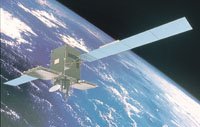
The satellite has a 7500 MHz TT&C beacon on continuously.
Based on intercept reports the squeaky wheel modulation type, STANAG 4285, and voice transmissions have been observed on the 252.200 MHz transponder. Italian Navy coastal station IDR-Rome has been reported on the second transponder at 258.200 MHz.
Thanks to the gang at www.uhf-satcom.com.
The three UHF transponders and their 7 GHz counterparts are:
252.200-252.350 MHz 7393.200-7393.350 MHz
258.150-258.300 MHz
267.100-267.250 MHz 7408.100-7409.250 MHz Uplink 308.200-308.350 MHz.
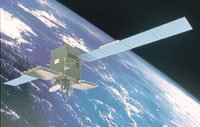
The satellite has a 7500 MHz TT&C beacon on continuously.
Based on intercept reports the squeaky wheel modulation type, STANAG 4285, and voice transmissions have been observed on the 252.200 MHz transponder. Italian Navy coastal station IDR-Rome has been reported on the second transponder at 258.200 MHz.
Thanks to the gang at www.uhf-satcom.com.
China Launches Military Satellite
China has launched a military photographic recon satellite, Shi Jian 8, on September 9, 2006 at 0700 UTC.
International Designator: 2006-035A
SSC Number: 29385
Launcher: Long March 2C
Launch Site: Jiuquan/Shuang Cheng Tzu
Orbit: 445 x 177 km, 63 degree inclination
According to Jonathan McDowell, Jonathan's Space Report, "SJ-8, unlike earlier SJsatellites, is a recoverable satellite derived from earlier FSWreconnaissance and microgravity satellites. It will study the exposureof seeds to microgravity and radiation. The Xinhua news agency reportsthat the launch vehicle was a CZ-2C. Both CZ-2C and uprated CZ-2Drockets are used for the recoverable satellites. Based on orbital data, I estimate that the launch time was 0700 UTC."
At present we have no downlink frequency information on this satellite.
According to press reports, he last Shi Jian satellite, number 7 was launched 5 July 2005 by a Long March 2D into a 565 x 543 km orbit, inclined 97.6 degrees. That was a scientific mission that is scheduled for a three year mission.
The complete launch history of the Shi Jian series follows.
SJ-1 / PRC-2 / China-2 1971-03-03
SJ-2A / PRC-11 / China-11 1981-09-19
SJ-2B / PRC-9 / China-9 1981-09-19
SJ-2C / PRC-10 / China-10 1981-09-19
SJ-4 / Practice-4 1994-02-08
SJ-6A 2004-09-08
SJ-6B 2004-09-08
SJ-7 2005-07-05
SJ-8 2006-09-09
Milair Nationwide Frequencies Part 8
This is part 8 of our exclusive nationwide milair assignment list. Here is a list of previous parts and the dates they appeared on this blog:
Part 1 Monday May 29, 2006
Part 2 Tuesday, June 06, 2006
Part 3 Tuesday, June 13, 2006
Part 4 Tuesday, June 20, 2006
Part 5 Wednesday, July 5, 2006
Part 6 Wednesday, July 26, 2006
Part 7 Thursday, August 24, 2006
264.150 Russian Gonet satellite downlink
264.400 Russian Gonet satellite downlink
264.550 Blue Angel Flight Demo Team - Extra channel
264.600 USAF JStars command and control discrete/Milsat: Russian Gonet satellite downlink
264.625 USAF AWACS Mickey
264.750 Russian Gonet satellite downlink
264.7875 Russian Gonet satellite downlink
264.800 Eastern Test Range - Variety Net (East Coast only)
264.900 USAF Aerial Refueling ACC Spare-Exercise-Contigency CONUS/Milsat: Russian Gonet satellite downlink
264.975 USAF F-15 Flight Demo Team (East)
265.000 Blue Angel Flight Demo Team
265.0625 Russian Gonet satellite downlink
265.1375 Russian Gonet satellite downlink
265.250 Milsat: UFO November Navy Fleet Relay (25 kHz) channel 7
265.350 Milsat: FLTSATCOM Alpha/UFO Oscar Navy Fleet Relay (25 kHz) channel 7
265.400 NORAD CAP/GCI discrete
265.450 Milsat: FLTSATCOM Bravo/UFO Papa Navy Fleet Relay (25 kHz) channel 7
265.550 Milsat: FLTSATCOM Charlie/UFO Quebec Navy Fleet Relay (25 kHz) channel 7
265.950 Russian Gonet satellite downlink
266.050 USAF JStars discrete
266.500 Aerial Refueling ACC Random Tracks CONUS
266.700 US Navy Squadron Common/Command and Control
266.750 Milsat: UFO November Navy Fleet Relay (25 kHz) channel 8
266.800 Air Traffic Control
266.850 Milsat: FLTSATCOM Alpha/UFO Oscar Navy Fleet Relay (25 kHz) channel 8
266.950 Milsat: FLTSATCOM Bravo/UFO Papa Navy Fleet Relay (25 kHz) channel 8
267.050 Milsat: FLTSATCOM Charlie/UFO Quebec Navy Fleet Relay (25 kHz) channel 8
267.100-267.250 Milsat: Italian Sircal 1A downlink
267.800 USAF ACC Air-to-Air Flight Support
267.850 DoD Have Quick discrete
267.900 Air Traffic Control
268.150 Milsat: UFO November Navy Fleet Relay (25 kHz) channel 9
268.225 Reported satellite downlink (East Coast) unknown bird
268.250 Milsat: FLTSATCOM Alpha/UFO Oscar Navy Fleet Relay (25 kHz) channel 9
268.350 Milsat: FLTSATCOM Bravo/UFO Papa Navy Fleet Relay (25 kHz) channel 9
268.400 Aerial Refueling Coronet East (East Coast)
268.450 Milsat: FLTSATCOM Charlie/UFO Quebec Navy Fleet Relay (25 kHz) channel 9
268.700 Air Traffic Control
269.000 Air Traffic Control
269.025 Air Traffic Control
269.050 Air Traffic Control
269.075 Air Traffic Control
269.100 Air Traffic Control
268.125 Air Traffic Control
269.150 Air Traffic Control
269.175 Air Traffic Control
269.200 Air Traffic Control
269.225 Air Traffic Control
269.250 Air Traffic Control
269.275 Air Traffic Control
269.300 Air Traffic Control
269.325 Air Traffic Control
269.350 Air Traffic Control
269.375 Air Traffic Control
269.400 Air Traffic Control
269.425 Air Traffic Control
269.450 Air Traffic Control
269.475 Air Traffic Control
269.500 Air Traffic Control
269.525 Air Traffic Control
269.550 Air Traffic Control
269.575 Air Traffic Control
269.600 Air Traffic Control
269.625 Air Traffic Control
269.650 Milsat: UFO November Navy Fleet Relay (25 kHz) channel 10
269.750 Milsat: FLTSATCOM Alpha/UFO Oscar Navy Fleet Relay (25 kHz) channel 10
269.850 Milsat: FLTSATCOM Bravo/UFO Papa Navy Fleet Relay (25 kHz) channel 10
269.900 Air Traffic Control (Mostly ATIS services)
269.950 Milsat: FLTSATCOM Charlie/UFO Quebec Navy Fleet Relay (25 kHz) channel 10
Part 1 Monday May 29, 2006
Part 2 Tuesday, June 06, 2006
Part 3 Tuesday, June 13, 2006
Part 4 Tuesday, June 20, 2006
Part 5 Wednesday, July 5, 2006
Part 6 Wednesday, July 26, 2006
Part 7 Thursday, August 24, 2006
264.150 Russian Gonet satellite downlink
264.400 Russian Gonet satellite downlink
264.550 Blue Angel Flight Demo Team - Extra channel
264.600 USAF JStars command and control discrete/Milsat: Russian Gonet satellite downlink
264.625 USAF AWACS Mickey
264.750 Russian Gonet satellite downlink
264.7875 Russian Gonet satellite downlink
264.800 Eastern Test Range - Variety Net (East Coast only)
264.900 USAF Aerial Refueling ACC Spare-Exercise-Contigency CONUS/Milsat: Russian Gonet satellite downlink
264.975 USAF F-15 Flight Demo Team (East)
265.000 Blue Angel Flight Demo Team
265.0625 Russian Gonet satellite downlink
265.1375 Russian Gonet satellite downlink
265.250 Milsat: UFO November Navy Fleet Relay (25 kHz) channel 7
265.350 Milsat: FLTSATCOM Alpha/UFO Oscar Navy Fleet Relay (25 kHz) channel 7
265.400 NORAD CAP/GCI discrete
265.450 Milsat: FLTSATCOM Bravo/UFO Papa Navy Fleet Relay (25 kHz) channel 7
265.550 Milsat: FLTSATCOM Charlie/UFO Quebec Navy Fleet Relay (25 kHz) channel 7
265.950 Russian Gonet satellite downlink
266.050 USAF JStars discrete
266.500 Aerial Refueling ACC Random Tracks CONUS
266.700 US Navy Squadron Common/Command and Control
266.750 Milsat: UFO November Navy Fleet Relay (25 kHz) channel 8
266.800 Air Traffic Control
266.850 Milsat: FLTSATCOM Alpha/UFO Oscar Navy Fleet Relay (25 kHz) channel 8
266.950 Milsat: FLTSATCOM Bravo/UFO Papa Navy Fleet Relay (25 kHz) channel 8
267.050 Milsat: FLTSATCOM Charlie/UFO Quebec Navy Fleet Relay (25 kHz) channel 8
267.100-267.250 Milsat: Italian Sircal 1A downlink
267.800 USAF ACC Air-to-Air Flight Support
267.850 DoD Have Quick discrete
267.900 Air Traffic Control
268.150 Milsat: UFO November Navy Fleet Relay (25 kHz) channel 9
268.225 Reported satellite downlink (East Coast) unknown bird
268.250 Milsat: FLTSATCOM Alpha/UFO Oscar Navy Fleet Relay (25 kHz) channel 9
268.350 Milsat: FLTSATCOM Bravo/UFO Papa Navy Fleet Relay (25 kHz) channel 9
268.400 Aerial Refueling Coronet East (East Coast)
268.450 Milsat: FLTSATCOM Charlie/UFO Quebec Navy Fleet Relay (25 kHz) channel 9
268.700 Air Traffic Control
269.000 Air Traffic Control
269.025 Air Traffic Control
269.050 Air Traffic Control
269.075 Air Traffic Control
269.100 Air Traffic Control
268.125 Air Traffic Control
269.150 Air Traffic Control
269.175 Air Traffic Control
269.200 Air Traffic Control
269.225 Air Traffic Control
269.250 Air Traffic Control
269.275 Air Traffic Control
269.300 Air Traffic Control
269.325 Air Traffic Control
269.350 Air Traffic Control
269.375 Air Traffic Control
269.400 Air Traffic Control
269.425 Air Traffic Control
269.450 Air Traffic Control
269.475 Air Traffic Control
269.500 Air Traffic Control
269.525 Air Traffic Control
269.550 Air Traffic Control
269.575 Air Traffic Control
269.600 Air Traffic Control
269.625 Air Traffic Control
269.650 Milsat: UFO November Navy Fleet Relay (25 kHz) channel 10
269.750 Milsat: FLTSATCOM Alpha/UFO Oscar Navy Fleet Relay (25 kHz) channel 10
269.850 Milsat: FLTSATCOM Bravo/UFO Papa Navy Fleet Relay (25 kHz) channel 10
269.900 Air Traffic Control (Mostly ATIS services)
269.950 Milsat: FLTSATCOM Charlie/UFO Quebec Navy Fleet Relay (25 kHz) channel 10
Saturday, September 09, 2006
STS-115 UHF Air/Ground Comms

Had a nice bit of Atlantis UHF comms on Air/Ground 1 during ascent from the "Negative Return Call" to KSC through the "Single Engine Ops 3 call." After the Atlantis preformed its roll maneuver, heard no more UHF comms.
Beautiful pics on NASA TV of the ET sep from Atlantis. UHF comms from Atlantis running ahead of NASA TV comms by about 2-3 seconds.
Glad to see Atlantis back into orbit safely.
STS-115 Launch Frequencies Update 2
Shuttle launch support net up on 261.875 MHz. Cape Radio working Wolf Den.
Report from the area indicates 318.100 was used by elements of the NORAD Cape CAP this morning.
Thanks Jack.
Report from the area indicates 318.100 was used by elements of the NORAD Cape CAP this morning.
Thanks Jack.
Friday, September 08, 2006
5711 ALE Activity
While parked on 5711 kHz looking for STS-115 SRB Recovery vessel activity, caught the following ALE soundings (this is SHARES SCN channel 4):
AAT3BFMARS US Army MARS Newark, DE
KNY70 US NTCN-HF Herndon, VA
KNY82 US NTCN-HF Lenexa, KS
AAT3BFMARS US Army MARS Newark, DE
KNY70 US NTCN-HF Herndon, VA
KNY82 US NTCN-HF Lenexa, KS
STS-115 Scrubbed - Again!
STS-115 has been scrubbed for today. They are in a 24 scrub turnaround for a possible launch on Saturday. New launch time on 9 Sep 2006 is 11:15 EDT or 1515 UTC.
STS-115 Launch Elset
From Ted Molczan and the SEESAT-L newsgroup:
1. Sep 08, 15:51:06 UTC (MECO) - Sep 08, 16:19:43 UTC
1 99999U 6251.66048611 .01000000 00000-0 44275-6 0 03
2 99999 51.6315 117.9773 0132748 348.7800 69.0699 16.48567837 02
1. Sep 08, 15:51:06 UTC (MECO) - Sep 08, 16:19:43 UTC
1 99999U 6251.66048611 .01000000 00000-0 44275-6 0 03
2 99999 51.6315 117.9773 0132748 348.7800 69.0699 16.48567837 02
STS-115 Launch Frequencies Update 1
As I type there is pre-launch activity for the STS-115 mission on 261.875 MHz. Nice signals levels.
Also for those on the Florida Peninsula, the ETR Variety net is up on 294.6 and also using 141.300 MHz (ID as TAC COMM).
More as I have it.
Also for those on the Florida Peninsula, the ETR Variety net is up on 294.6 and also using 141.300 MHz (ID as TAC COMM).
More as I have it.
Subscribe to:
Posts (Atom)